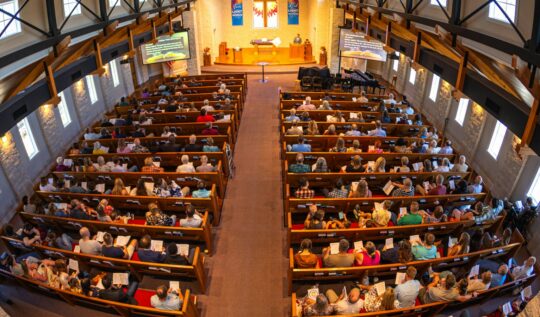
Most church, hotel, and commercial projects need a discretionary approval, which means a room of people will decide how they feel about your building. They will judge what they can picture. Here is what a planning commission actually needs to see, and what an inaccurate rendering costs you after the vote.

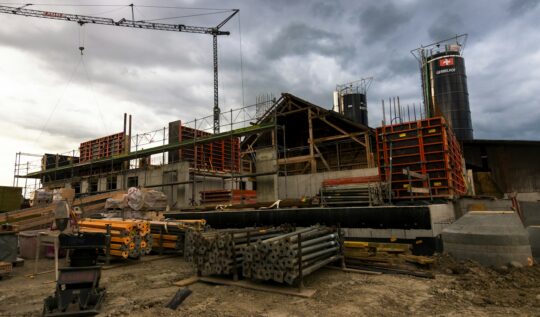
Nonresidential construction spending is falling while material costs keep climbing, and the average between the two describes almost nobody’s project. Here is how to read a K-shaped construction market, what it means for your trades and materials, and how to tell whether the thing holding your project back is the market or your own readiness.

A shelved set of construction documents is not one asset. Some of it holds its value for years while the rest quietly goes stale, and the difference decides whether restarting a stalled building project costs a fraction of a design fee or all of it again.

Three bids on a table look like three prices for the same building, and they almost never are. Comparing construction bids means comparing scope, exclusions, allowances, and duration rather than the number on the cover page. Here is how that reading actually gets done, and why it belongs to someone whose job is to protect the owner.
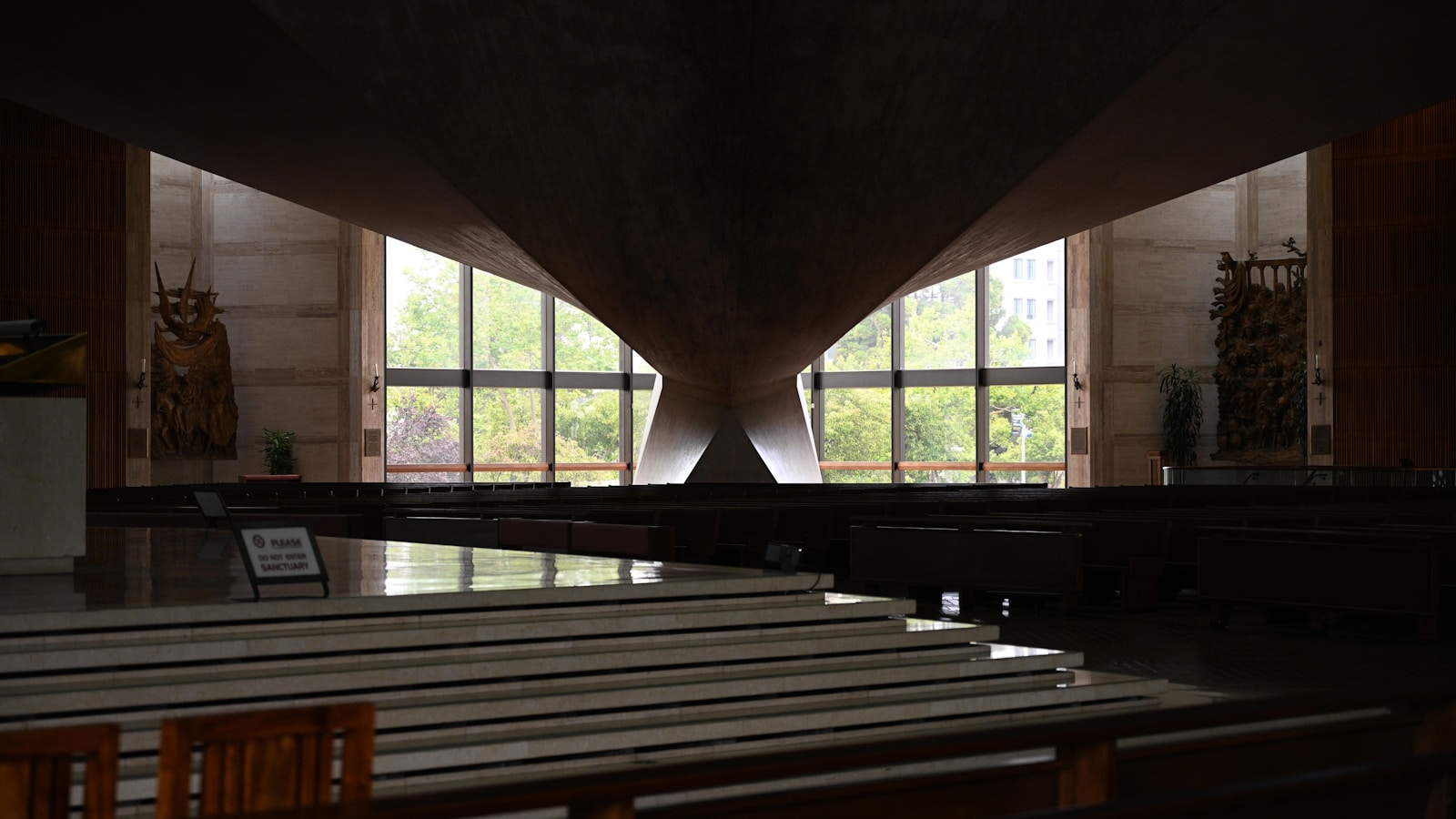
A rendering is a photograph of one flattering moment. Building performance simulation calculates every hour of the year, predicting glare, daylight, and whether a congregation will actually be able to hear from the back row. Here is what these studies measure, and why they only pay for themselves if they happen in schematic design.
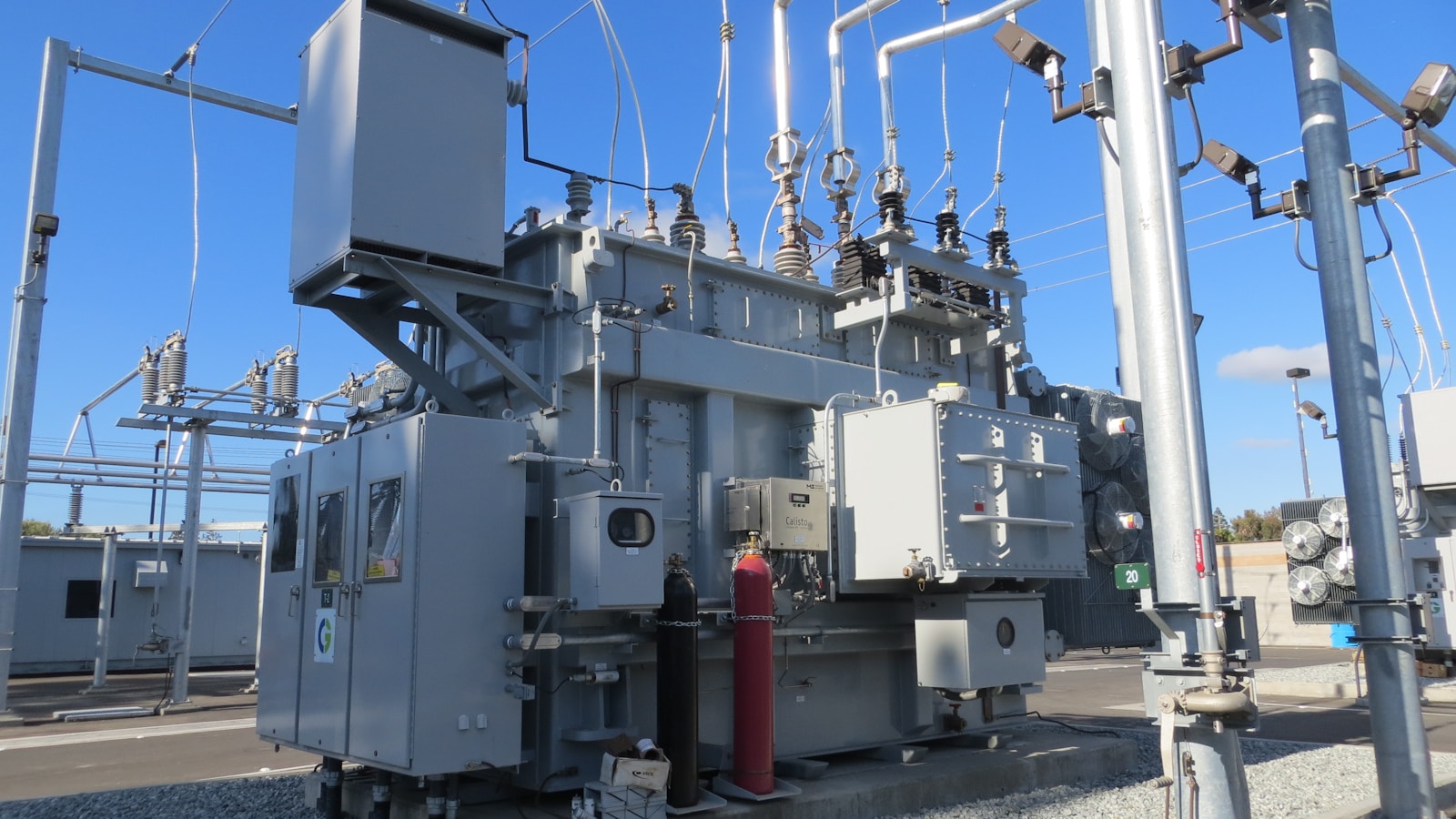
Electrical switchgear now averages close to a year from order to delivery, and large transformers take more than two years. That turns power equipment into one of the longest items on a construction schedule. Here is what it means for churches, hotels, and commercial owners planning a project.
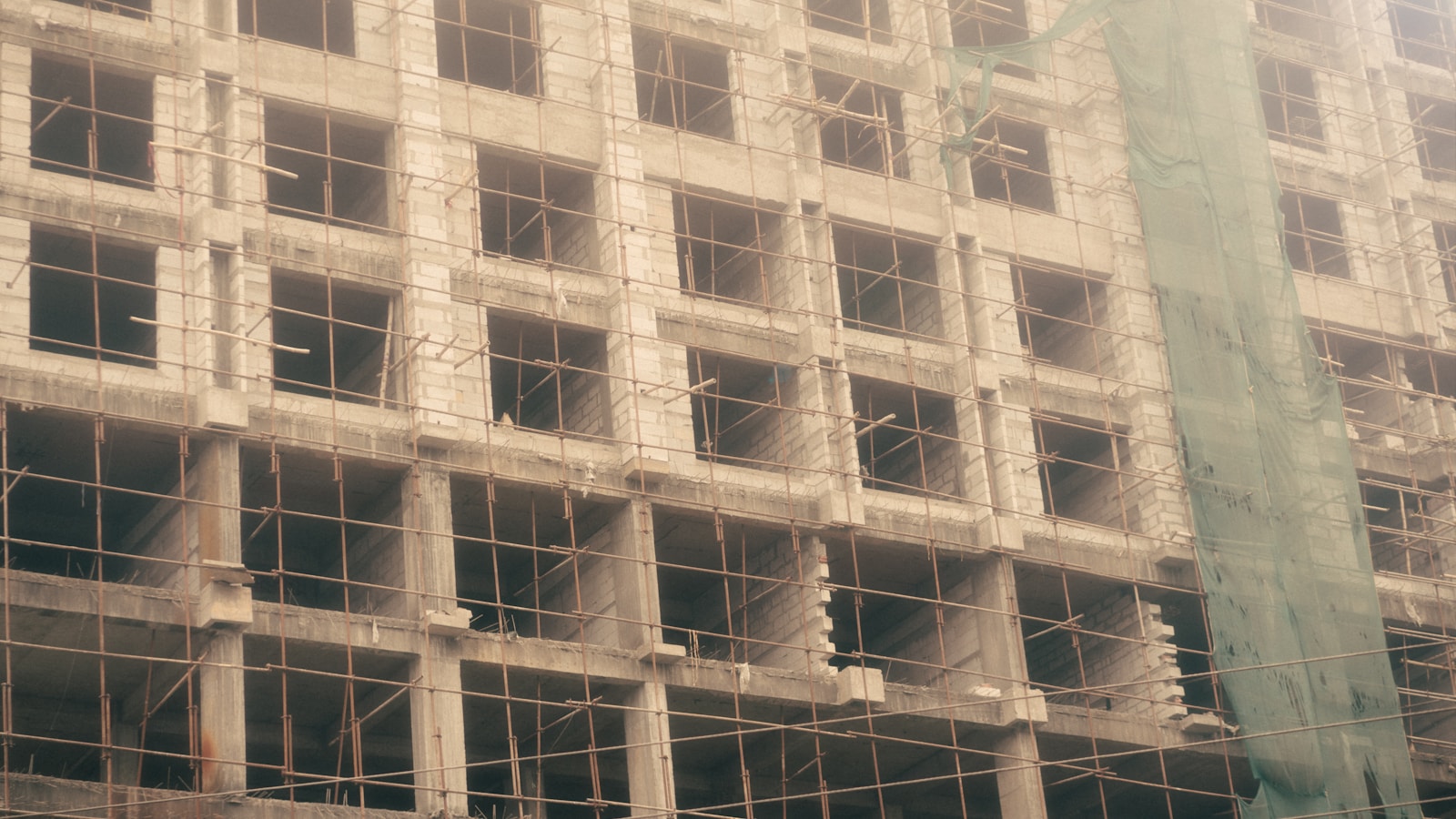
A change order lands mid-project and someone has to decide who pays for it. Here is how the three kinds of change orders differ, why your architect is contractually the one who rules on them, and how most of the work that prevents them happens months before construction starts.
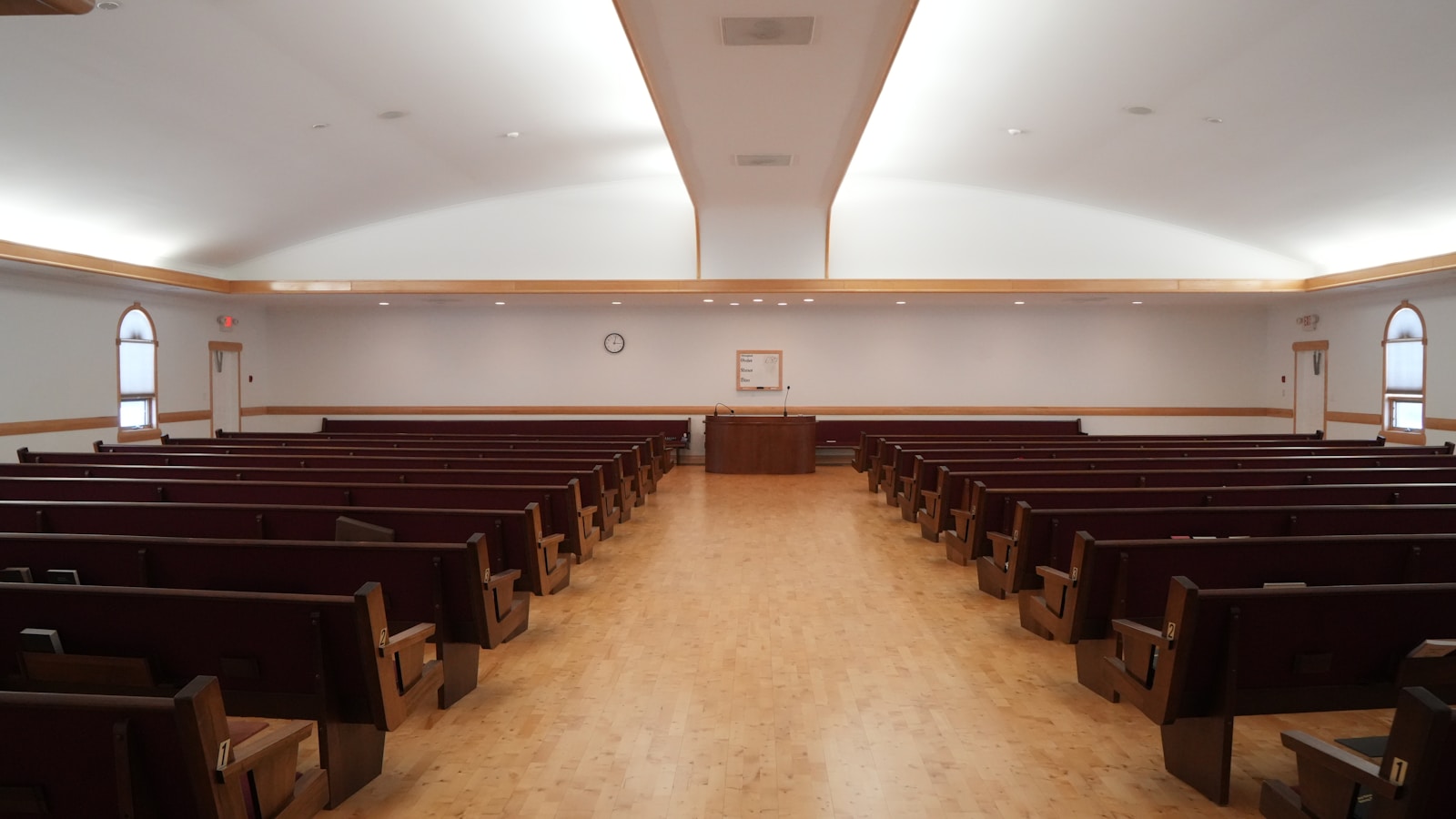
Moving in is not the same as finishing. Substantial completion, the punch list, system commissioning, record documents, and the eleven-month warranty review are five separate obligations with their own clocks. Here is what each one does and what it costs an owner to skip it.
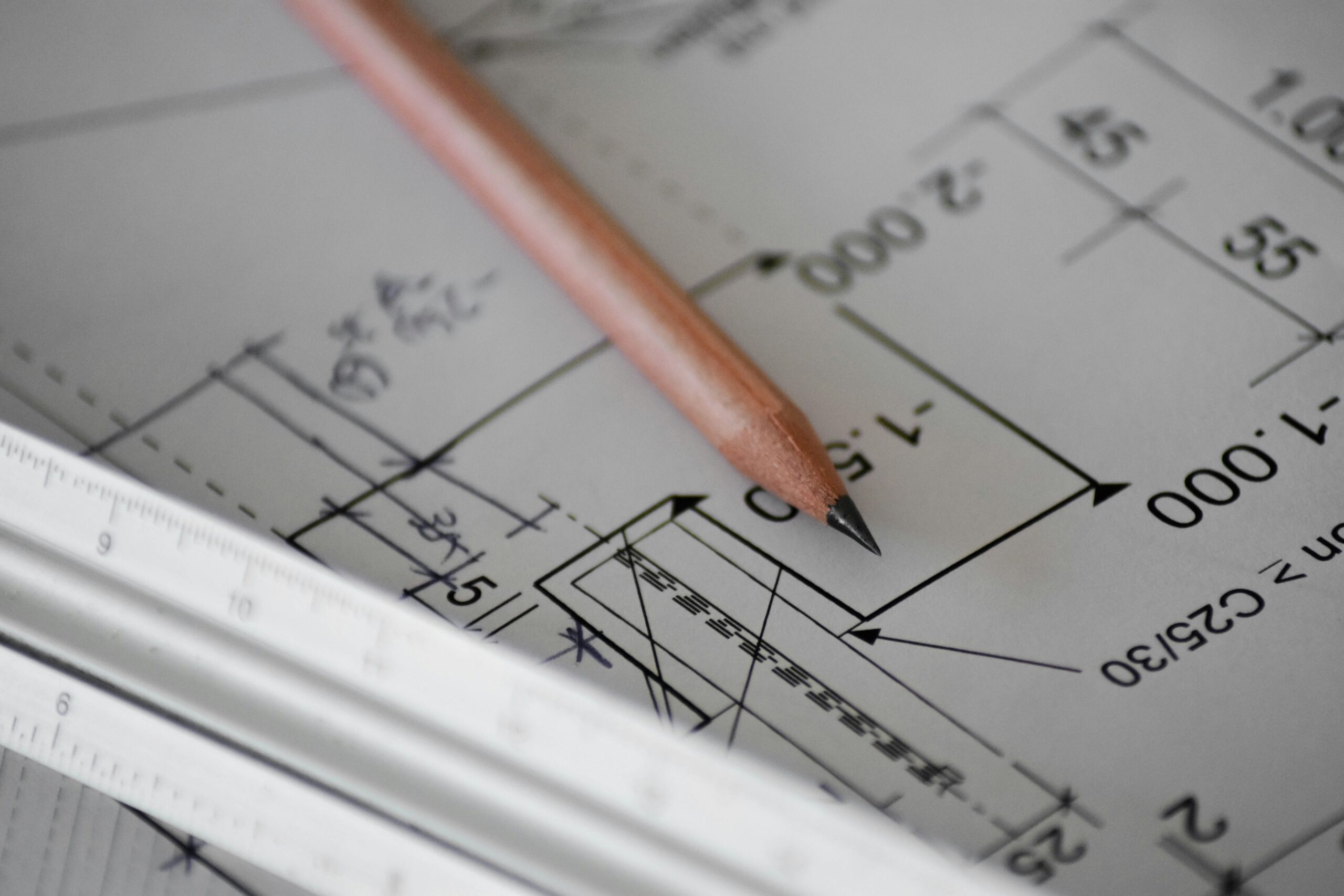
Most as-built drawings do not describe the building that is actually standing, and renovation budgets pay for the difference. Laser scanning and an accurate 3D model turn existing conditions from a guess into a measurement before design begins.

More than four out of five construction firms say they cannot fill the craft positions their projects depend on. Labor scarcity has quietly become a design variable, and the decisions that absorb it best are made on paper, long before a contractor is asked to price the work.