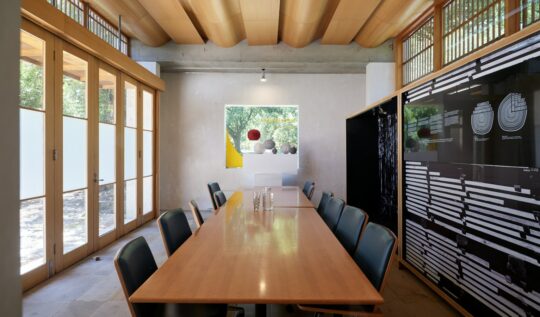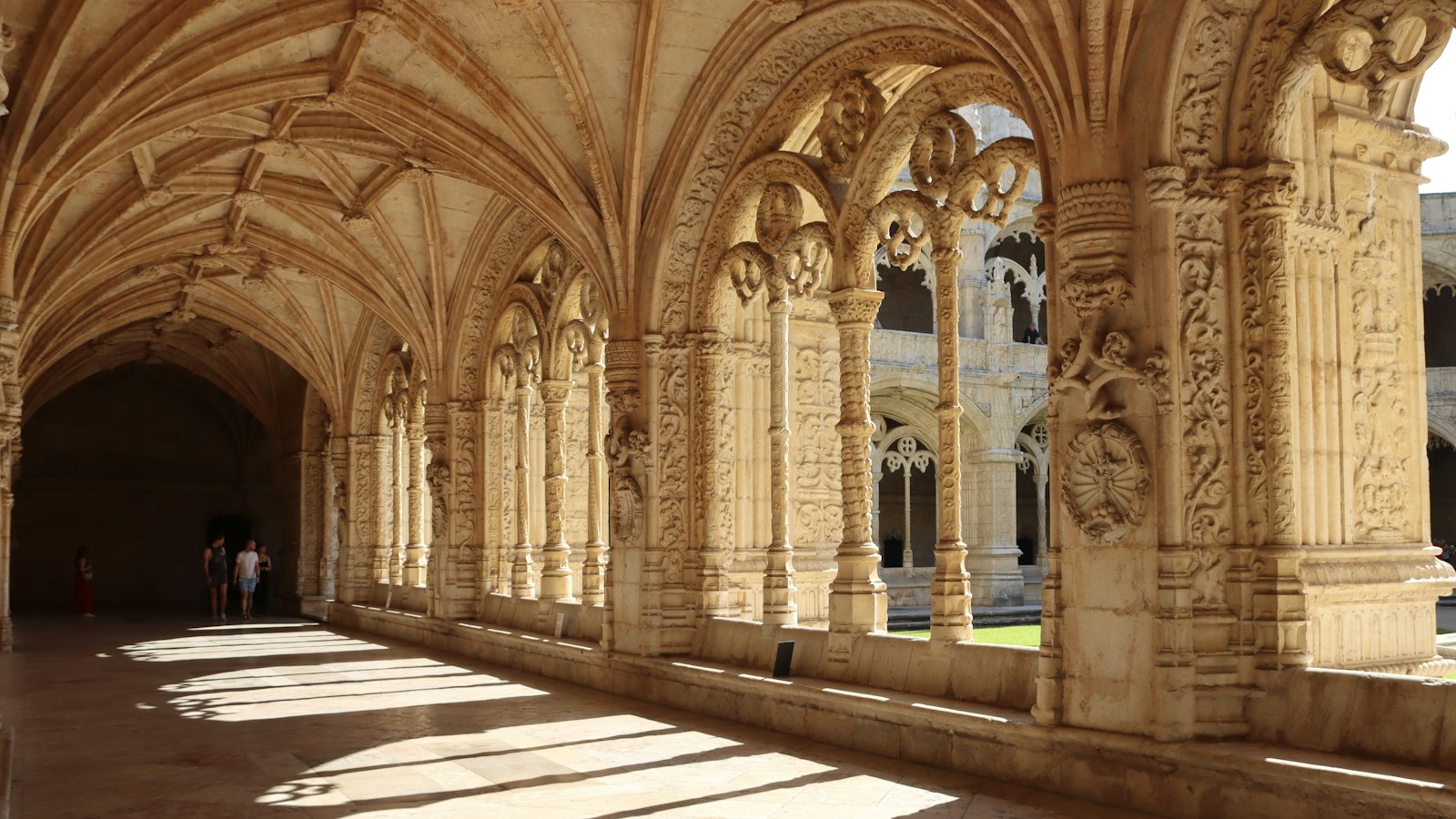
Most church buildings work fine during the worship hour. The real test comes in the fifteen minutes between services, when restrooms, children’s check-in, the foyer, and the parking lot all peak at once, and code minimums were never designed for that pulse.
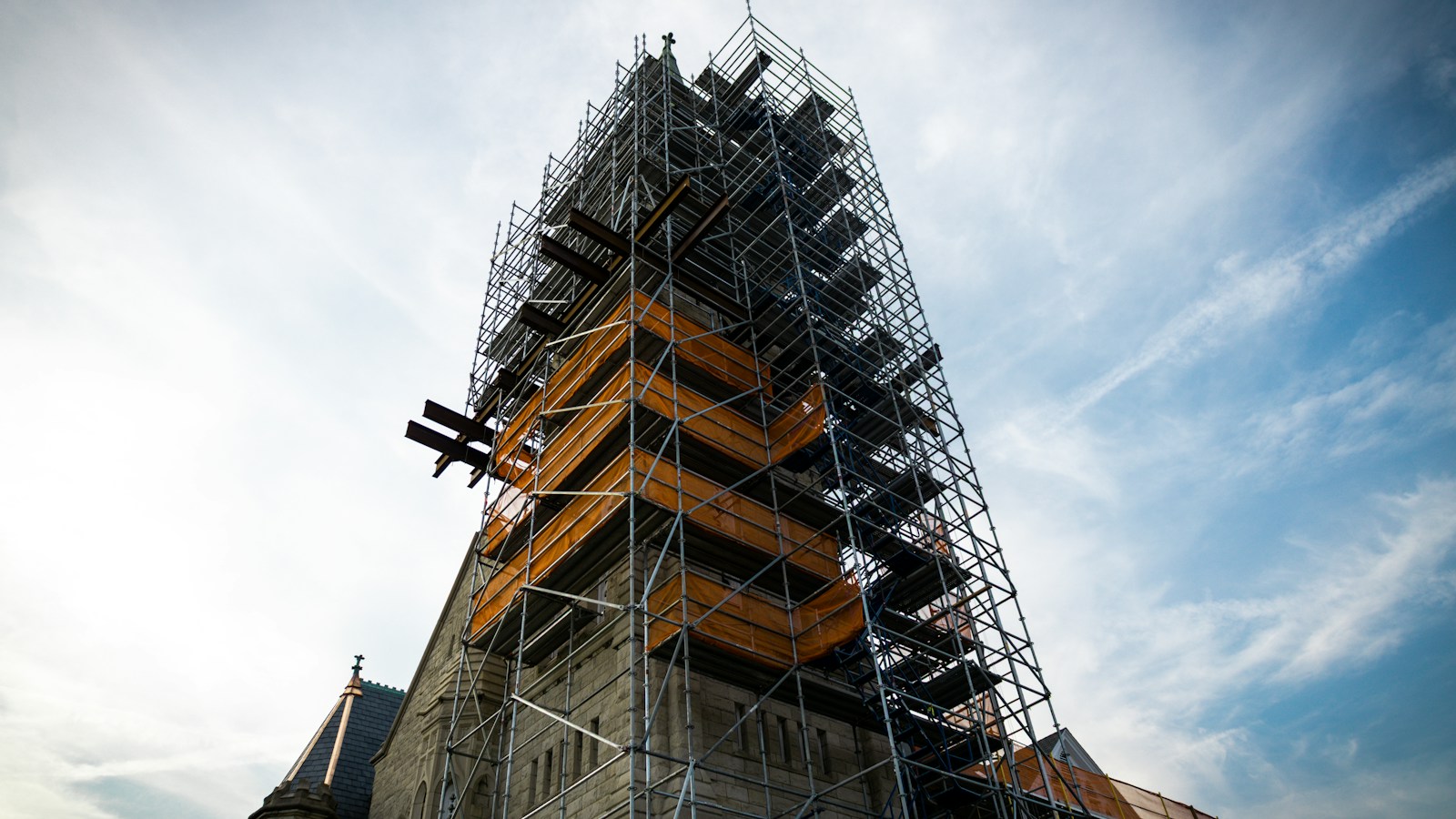
Most church campaigns are sold with a picture of the finished campus, and then the congregation walks into phase one and wonders where the rest of it went. A phased master plan deserves a rendering of every phase as a complete place, because the image people carry becomes the standard they judge the building by.
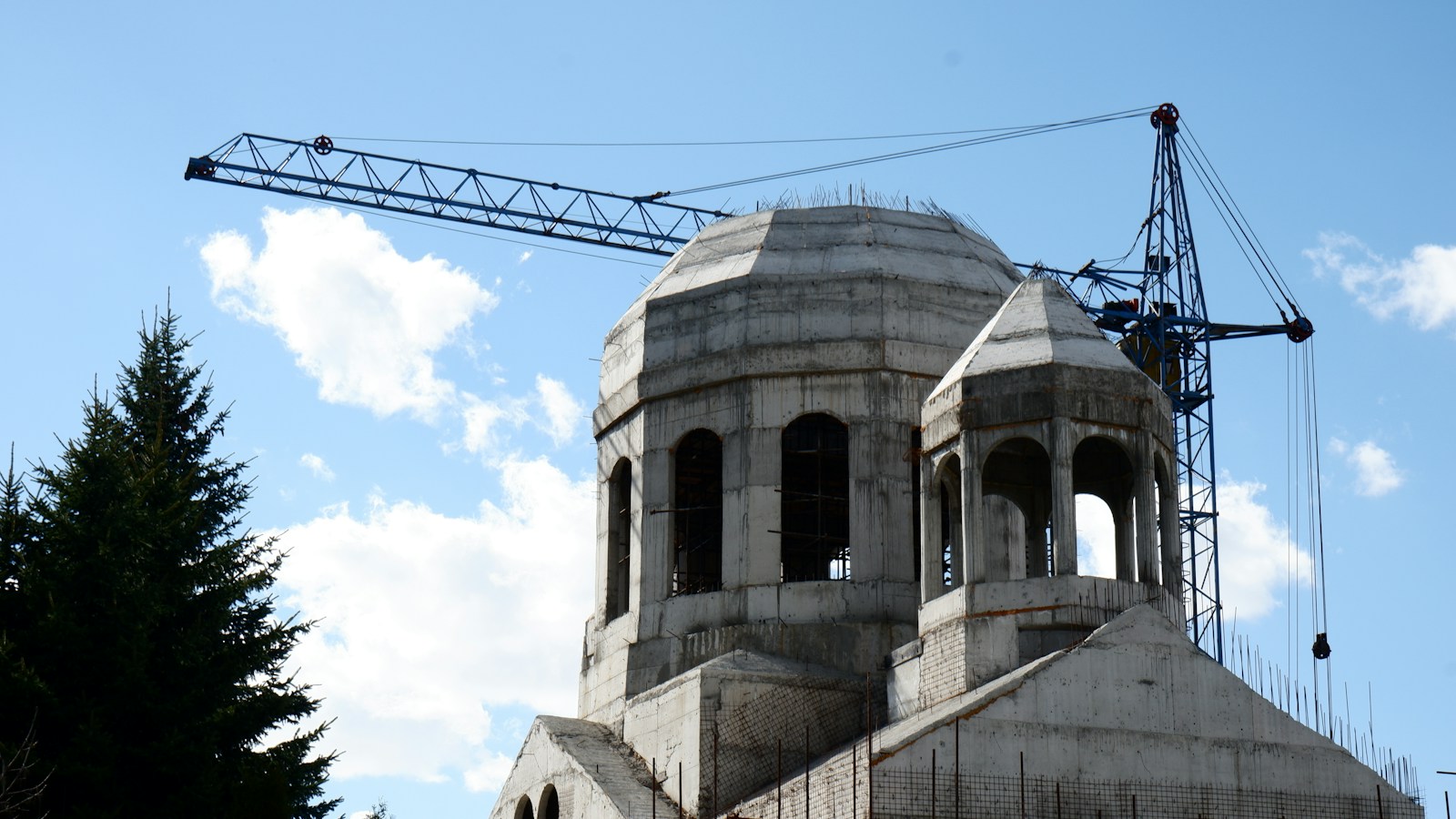
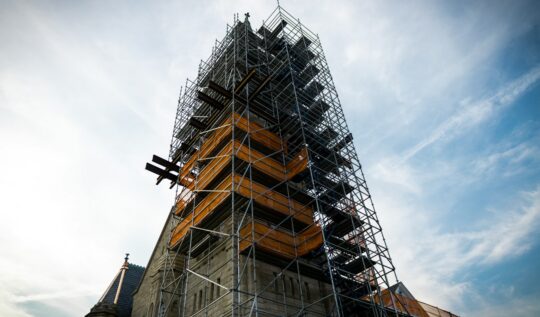
A building project often takes long enough to outlast the leader who started it. Here is what actually leaves with that person, what a written decision record preserves, and how a new pastor or executive director gets up to speed without restarting the design.
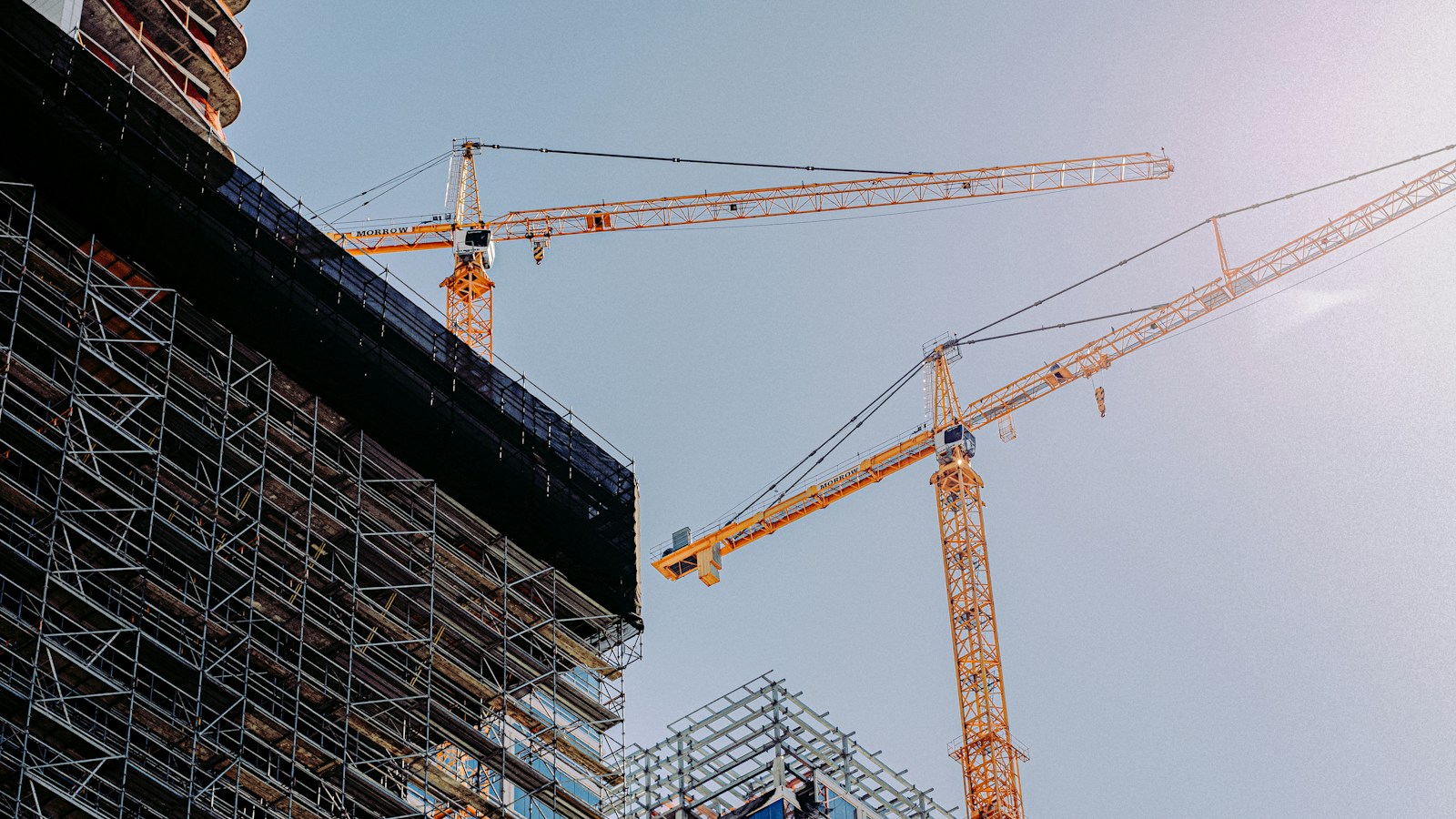
Nonresidential construction spending is falling while material costs keep climbing, and the average between the two describes almost nobody’s project. Here is how to read a K-shaped construction market, what it means for your trades and materials, and how to tell whether the thing holding your project back is the market or your own readiness.

A shelved set of construction documents is not one asset. Some of it holds its value for years while the rest quietly goes stale, and the difference decides whether restarting a stalled building project costs a fraction of a design fee or all of it again.
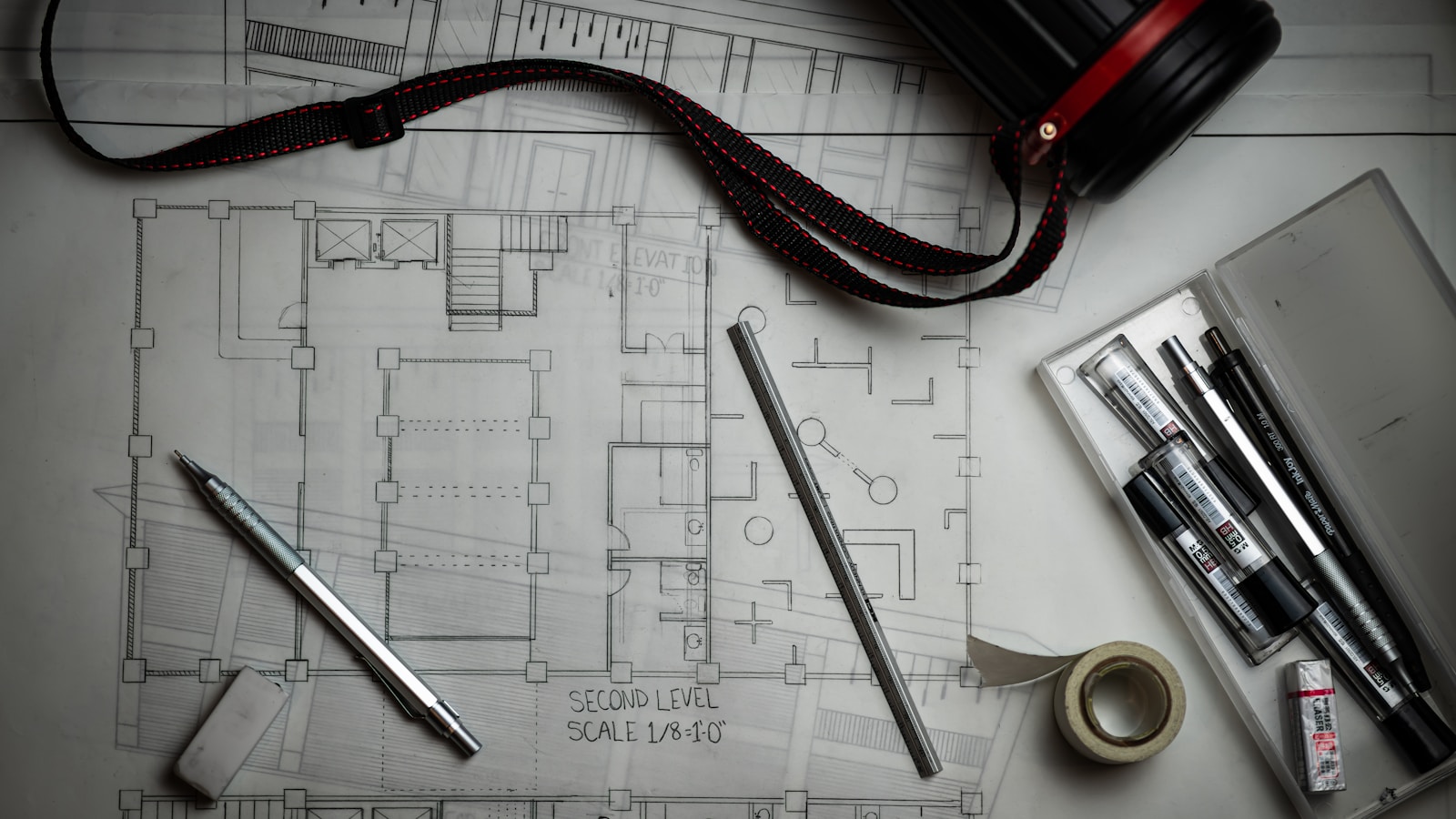
Three bids on a table look like three prices for the same building, and they almost never are. Comparing construction bids means comparing scope, exclusions, allowances, and duration rather than the number on the cover page. Here is how that reading actually gets done, and why it belongs to someone whose job is to protect the owner.
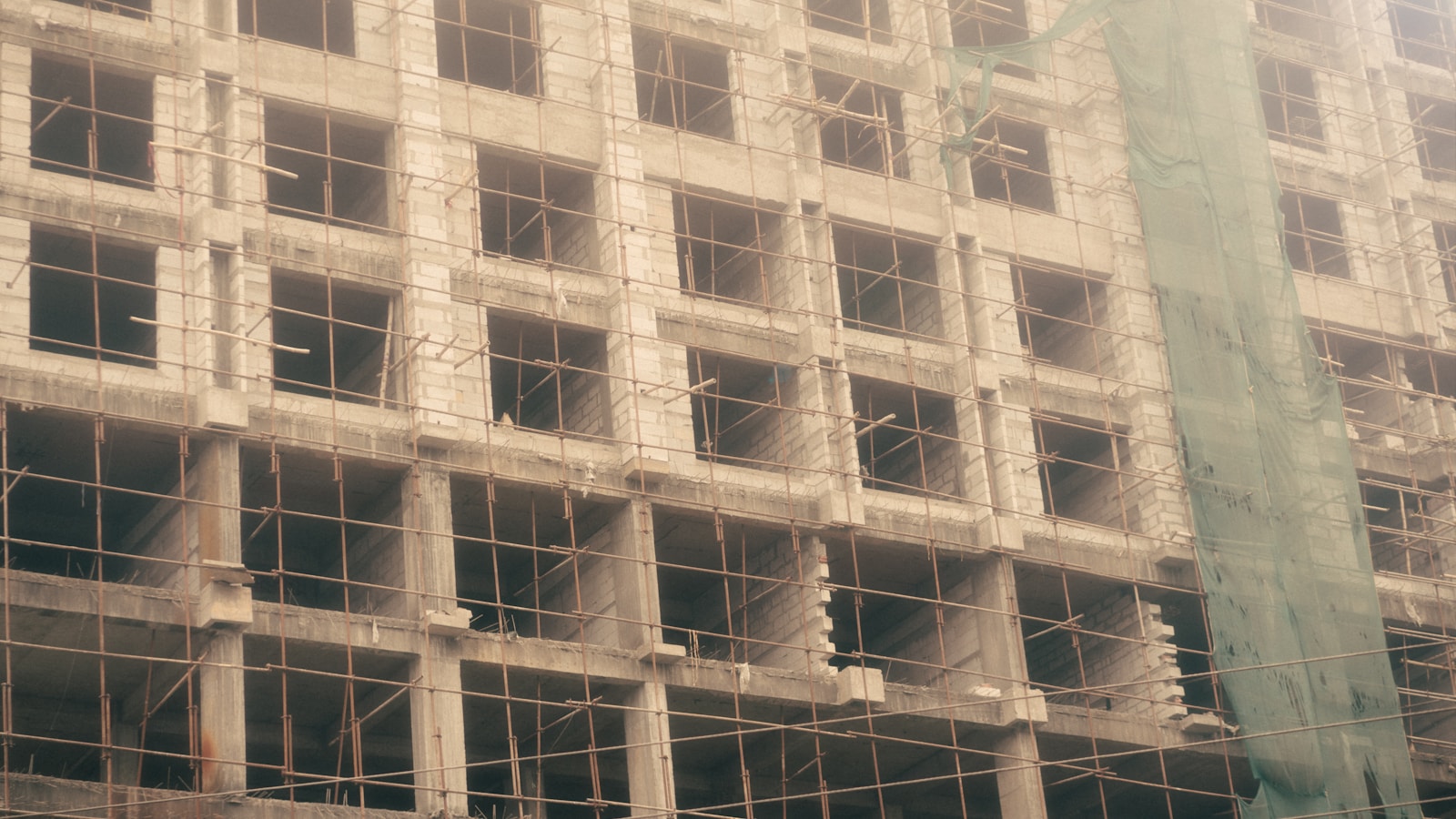
A change order lands mid-project and someone has to decide who pays for it. Here is how the three kinds of change orders differ, why your architect is contractually the one who rules on them, and how most of the work that prevents them happens months before construction starts.

Most owners arrive at an architect with the answer already chosen. Before a committee commits several million dollars to new construction, somebody has to be willing to test whether more square footage is the fix. Here is what an honest assessment looks at, and why a firm that will tell you not to build is one you can believe when it tells you to build.

Eight weeks into design, a building committee asked us a fair question: what exactly have you been doing? Design takes as long as it does because design is not drawing, it is deciding. Here is what actually happens in schematic design, design development, and construction documents, and why the design schedule is really a decision schedule.

The questions that determine whether a building project succeeds are rarely the ones clients know to ask at the start. After more than a thousand church projects and twenty-five years of practice, UNITE has learned that the most valuable thing an experienced firm brings to the first conversation is not a solution. It is a better set of questions.