Construction material prices are not rising evenly. Steel, aluminum, and copper rose 25 to 35 percent in the year to September 2026 while brick, concrete, and drywall barely moved. Here is what that split means for the structural system, the drawings, and the bid strategy of a church or commercial building.
Church lenders will tell you the most they will lend, usually about three times undesignated giving. The number that matters is what your church can carry through a rate reset and a soft year. Here is how lenders size a church loan and how to set your own number.

Most church building committees are built to represent the congregation and then asked to make decisions, which large groups do poorly. Here is how to structure a building committee so the right people are heard, a small group decides, and one person speaks for the church.
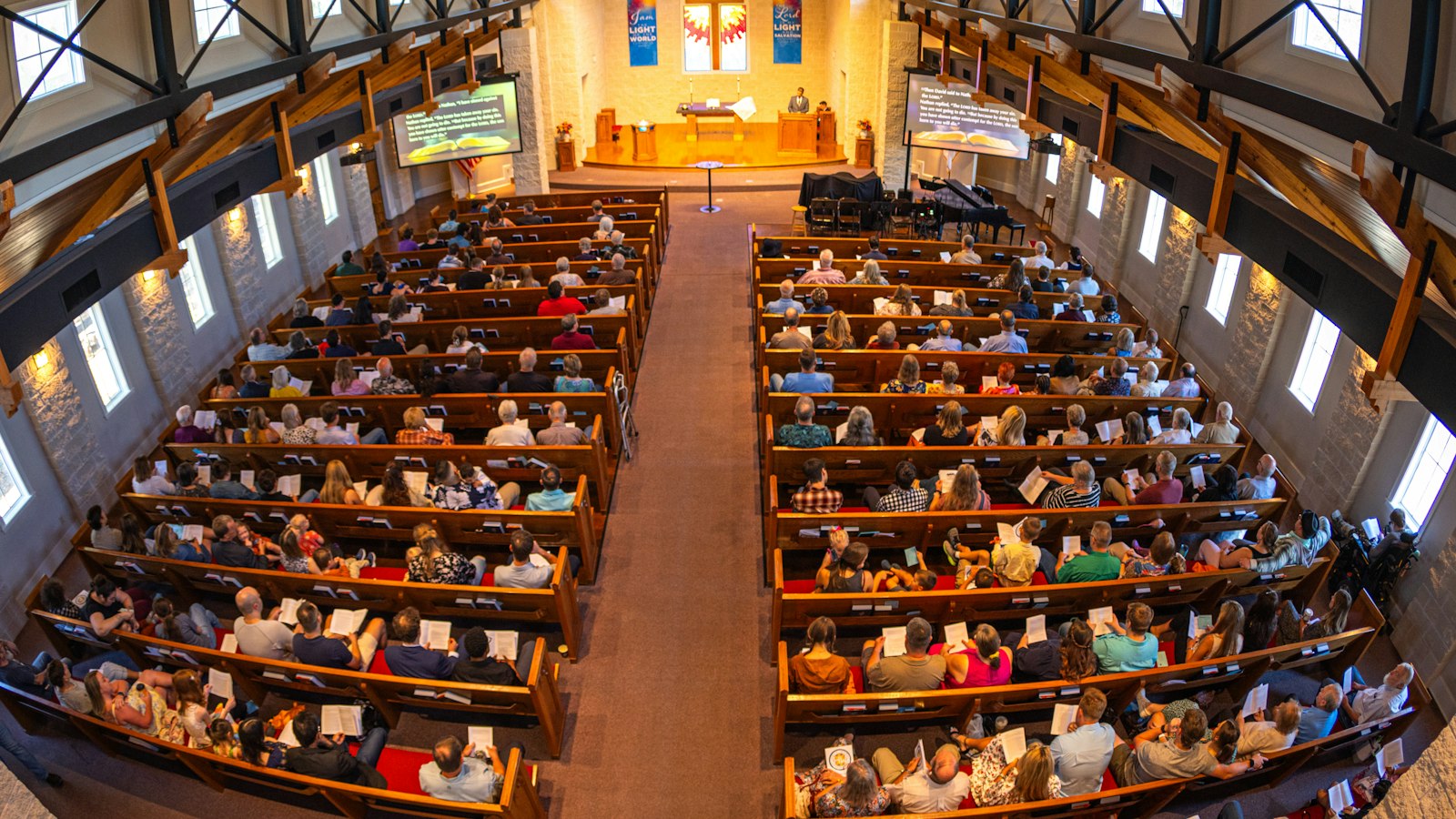
Ventilation codes were written for comfort, not infection. A new ASHRAE standard asks worship spaces for about nine times the clean air per person when risk is high, and the real design question for a new church is whether its building can get there when it needs to.
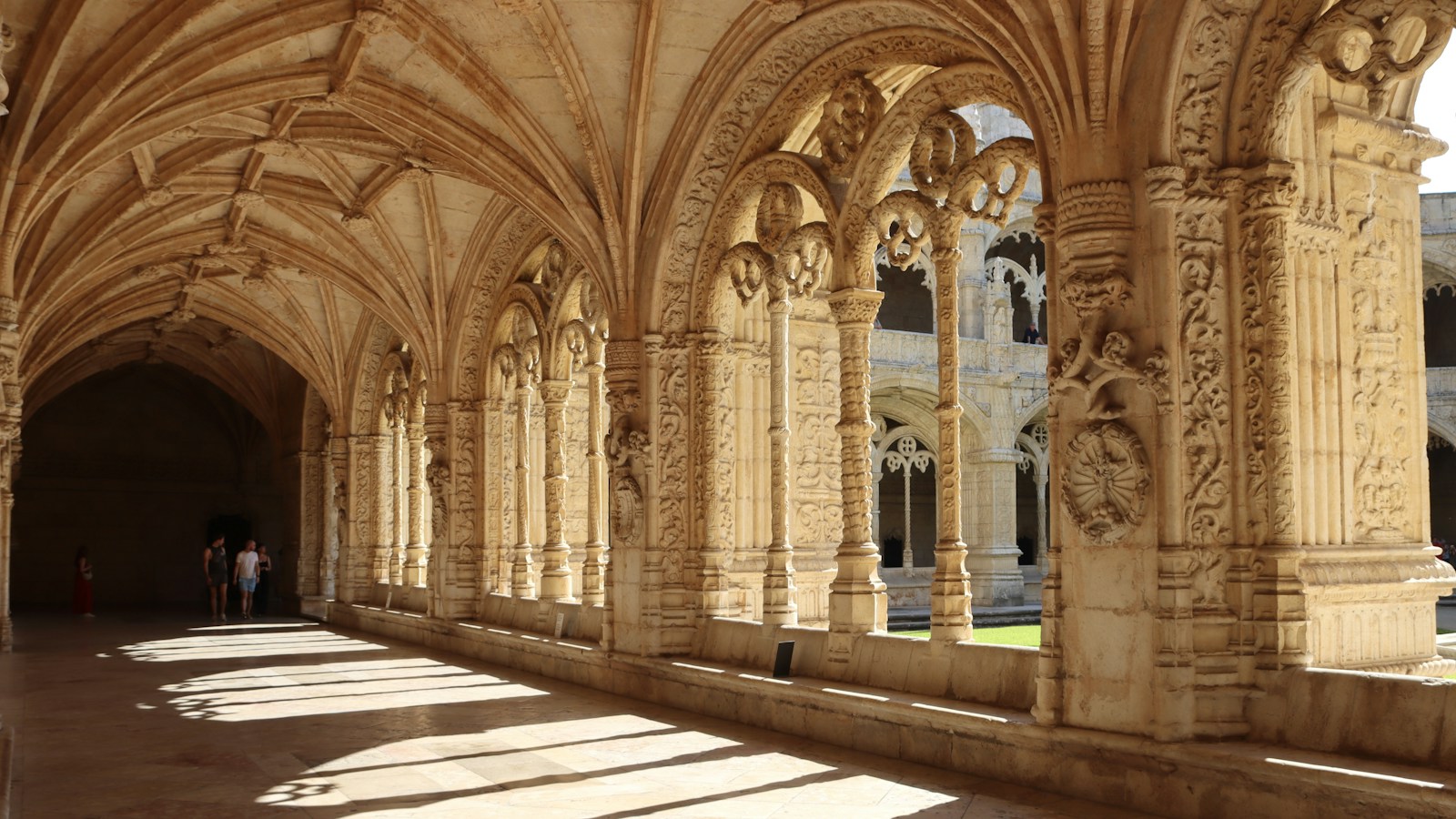
Most church buildings work fine during the worship hour. The real test comes in the fifteen minutes between services, when restrooms, children’s check-in, the foyer, and the parking lot all peak at once, and code minimums were never designed for that pulse.
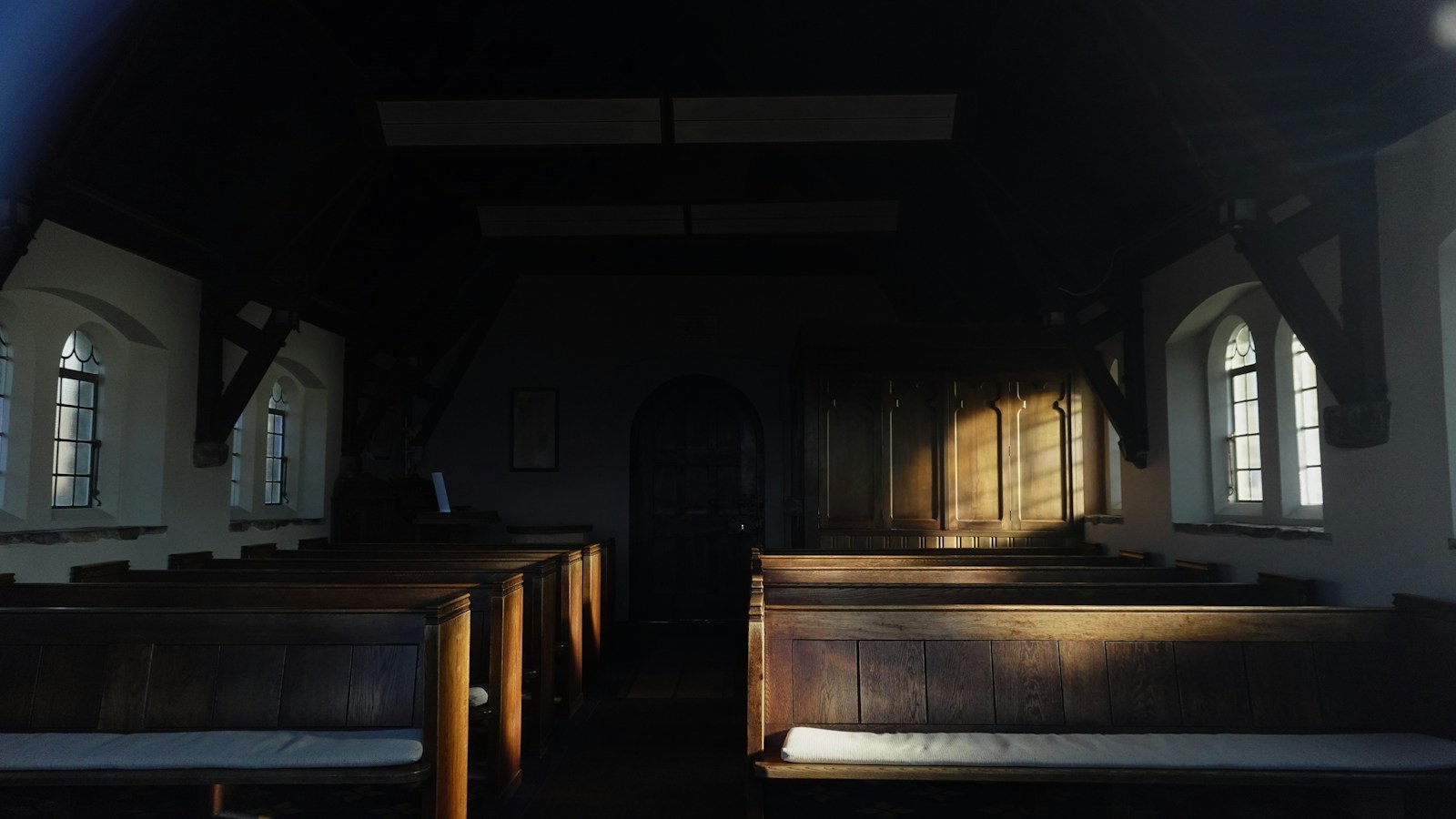
Building code requirements are not a test at the end of design. They decide how many exits a worship room needs, whether the building must be sprinklered, and how large it can be, and the decisions are far cheaper to make on purpose at the beginning.
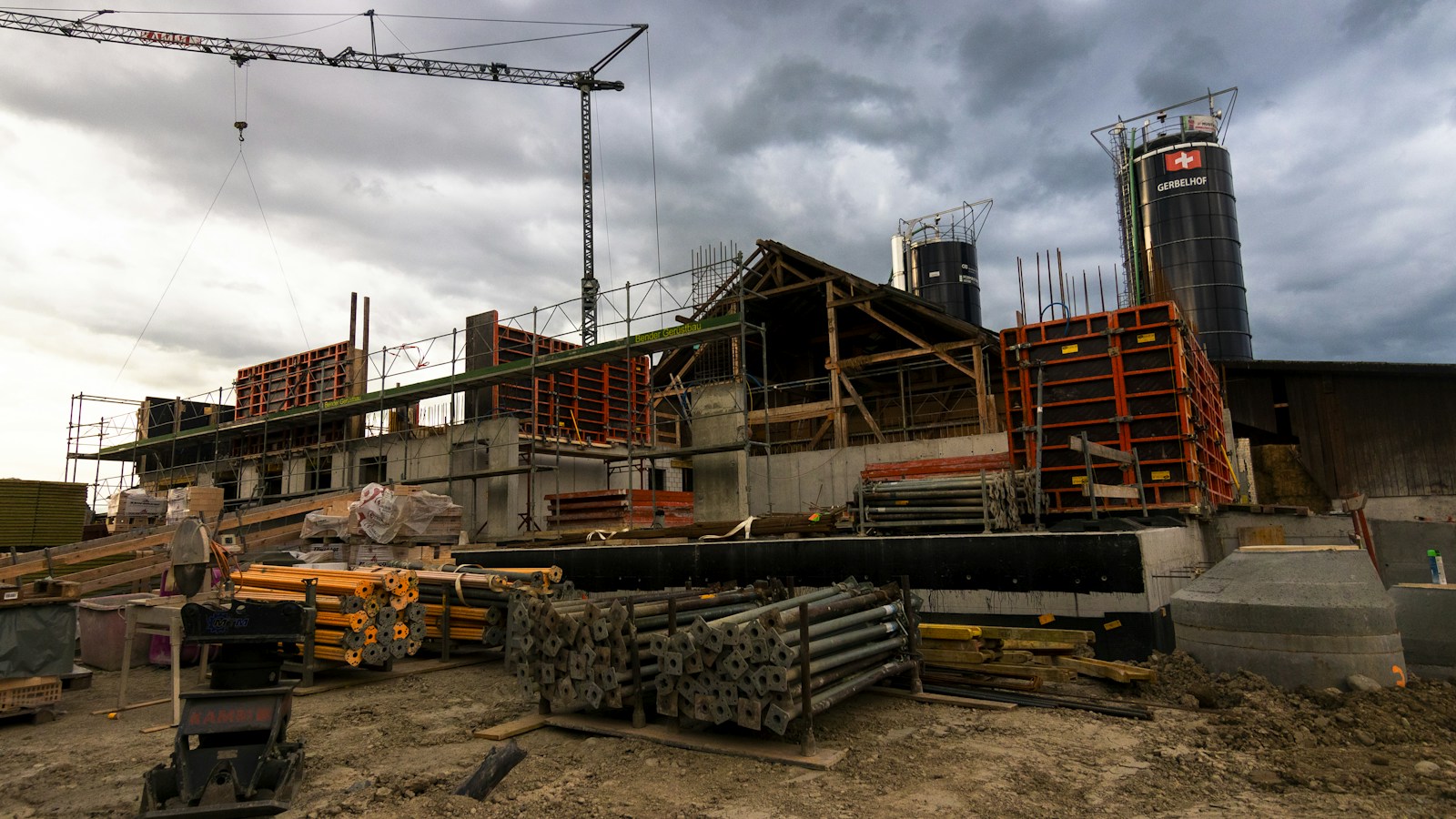
The construction number is the largest line in a project budget, which is exactly why it gets mistaken for the whole thing. Here is what a complete total project budget contains, from professional services and utility fees to furnishings, financing, escalation, and contingency.
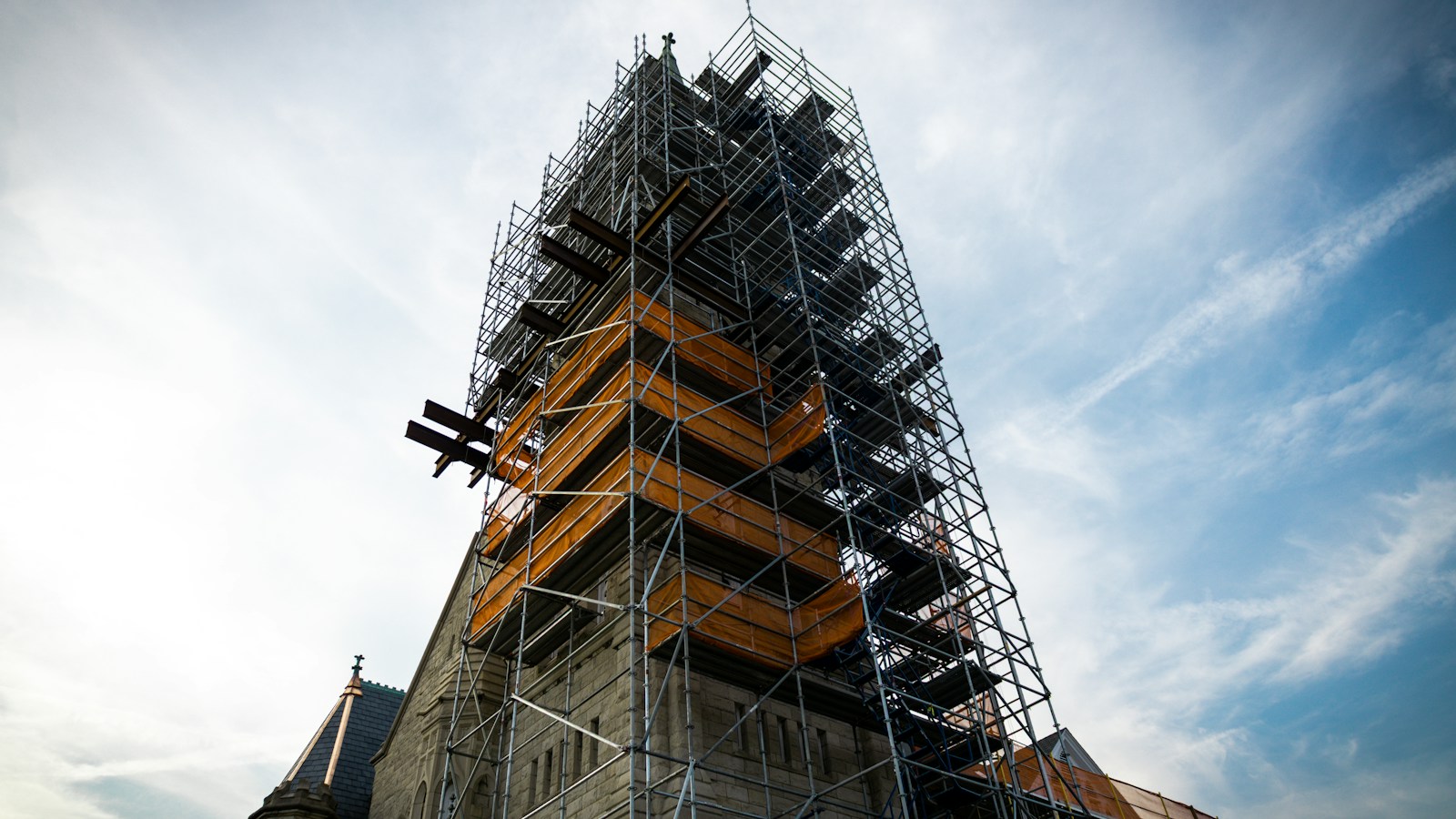
Most church campaigns are sold with a picture of the finished campus, and then the congregation walks into phase one and wonders where the rest of it went. A phased master plan deserves a rendering of every phase as a complete place, because the image people carry becomes the standard they judge the building by.
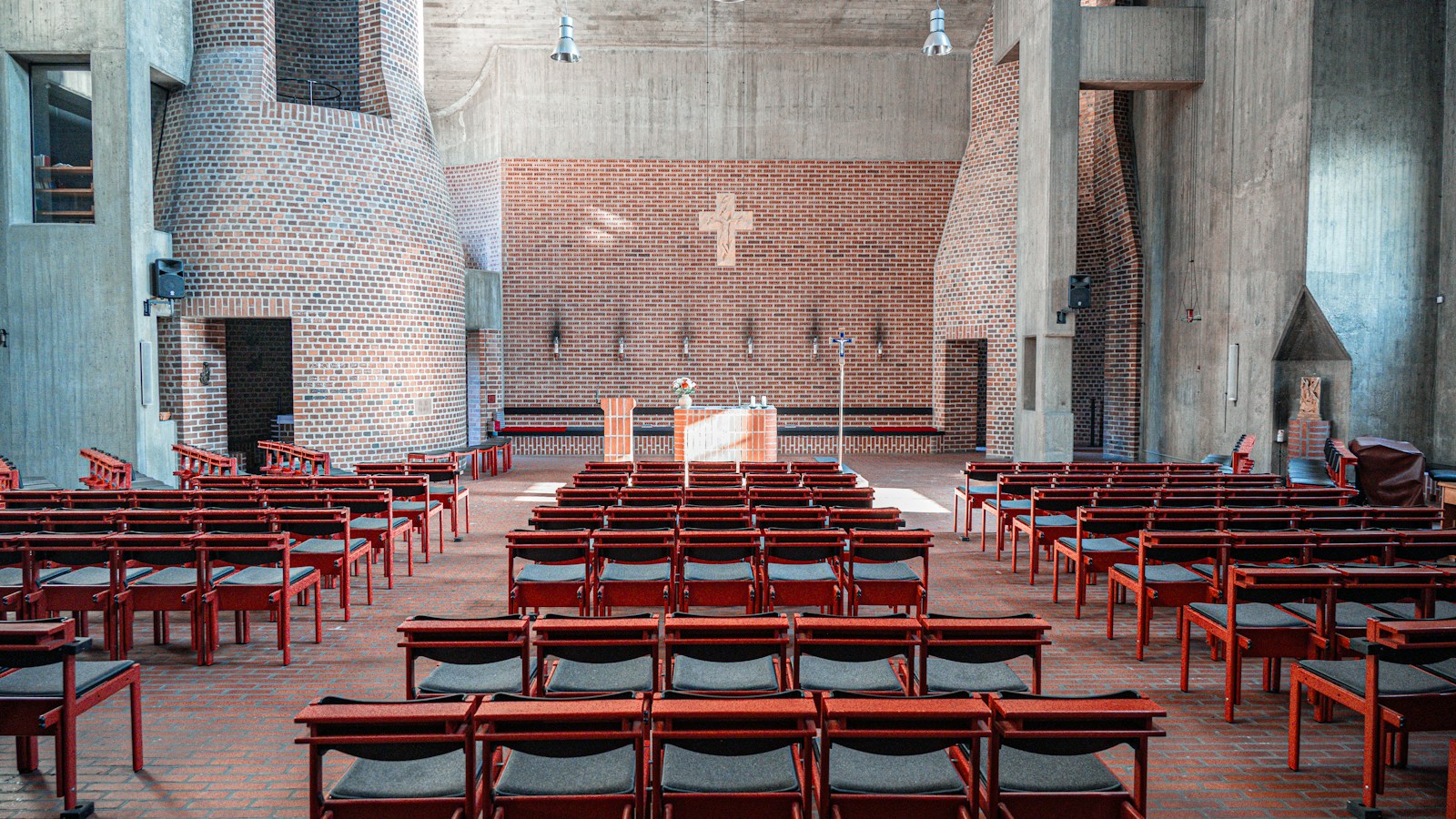
Religious construction spending is running 24.7 percent ahead of last year while the rest of the market contracts, and the median American congregation now gathers about 70 adults. Those two facts together explain why the worship rooms being drawn today are sized differently than the ones built twenty years ago, and why the programming question has shifted from seat count to hours of use.
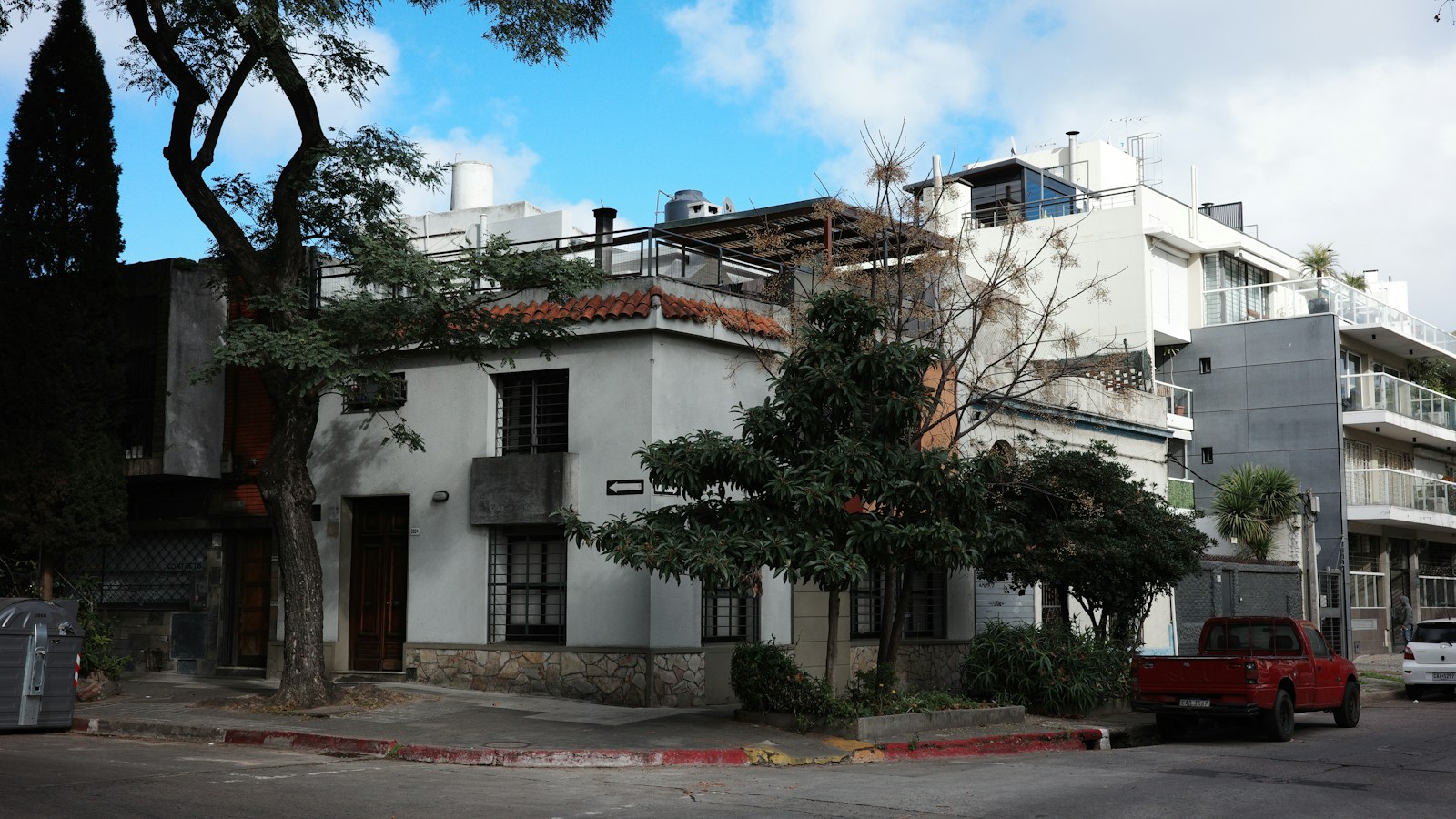
Most church, hotel, and commercial projects need a discretionary approval, which means a room of people will decide how they feel about your building. They will judge what they can picture. Here is what a planning commission actually needs to see, and what an inaccurate rendering costs you after the vote.