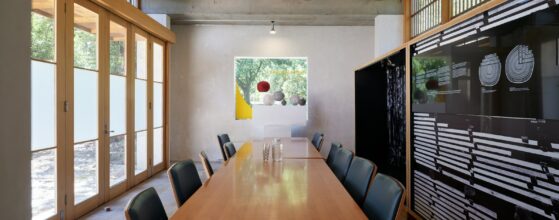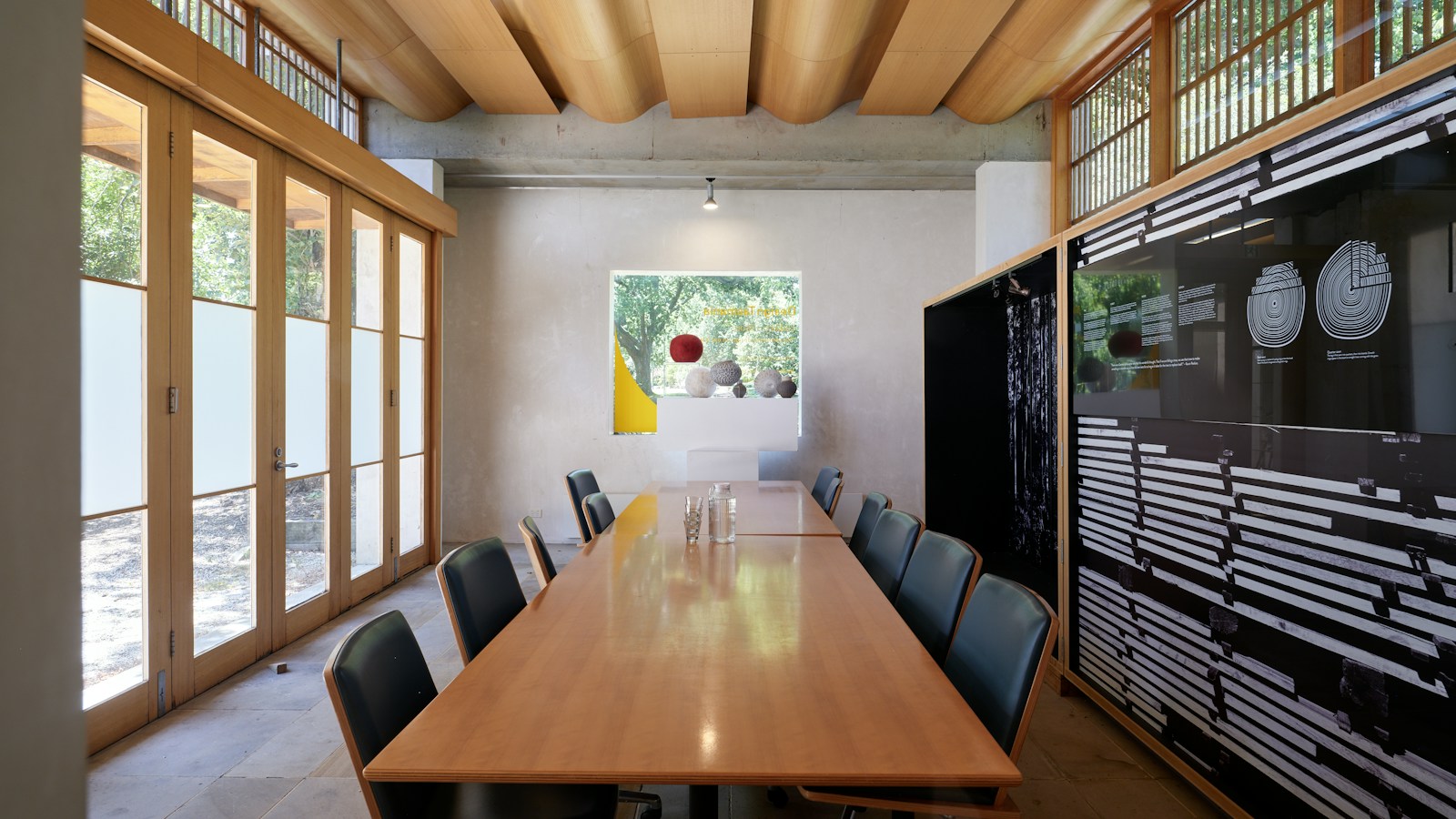
Most architect interviews spend the hour on a portfolio of buildings designed for someone else. Here is how owners can prepare, what to ask, how to check references, and how to keep fees from quietly choosing the team.
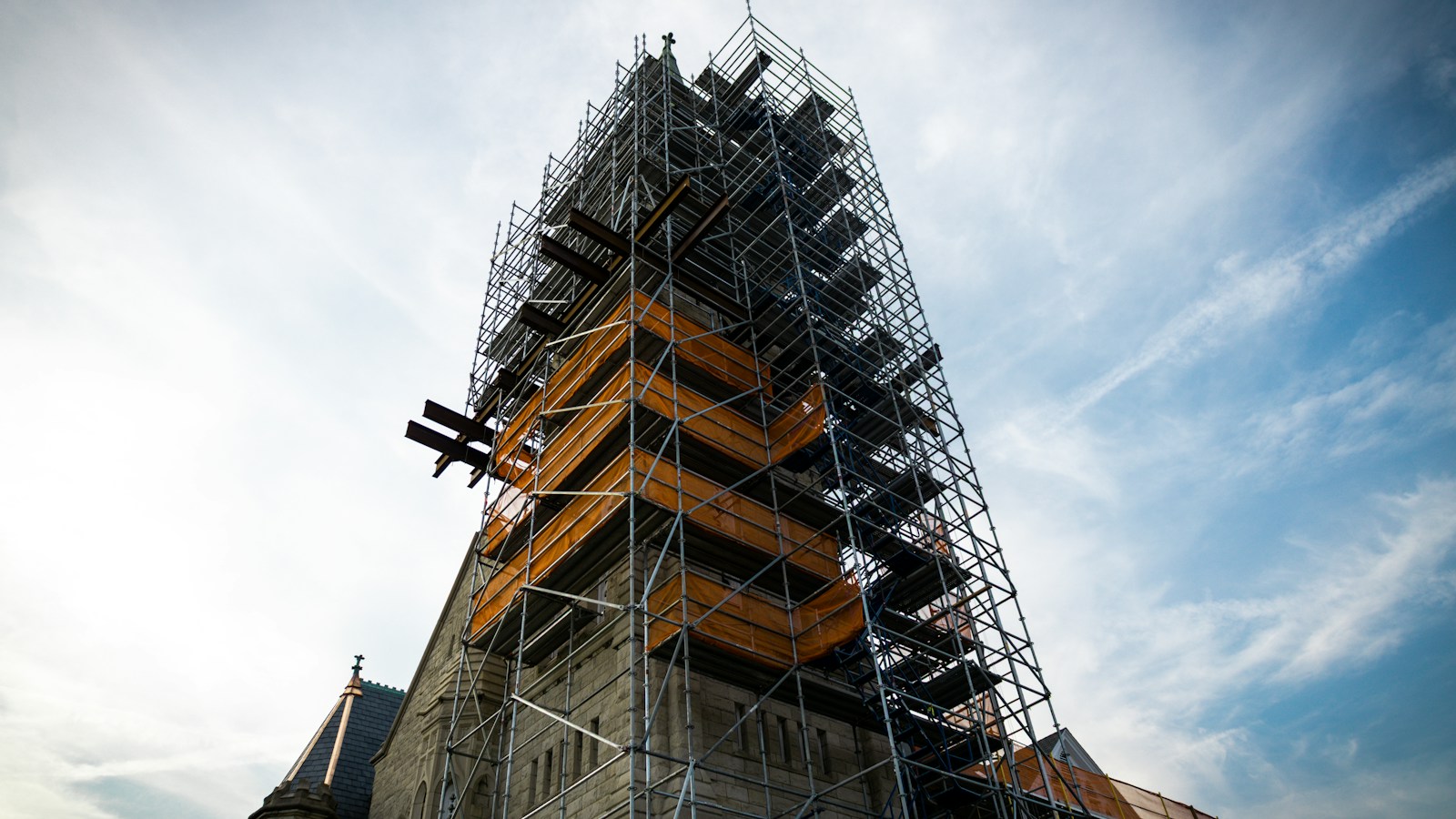
Most church campaigns are sold with a picture of the finished campus, and then the congregation walks into phase one and wonders where the rest of it went. A phased master plan deserves a rendering of every phase as a complete place, because the image people carry becomes the standard they judge the building by.
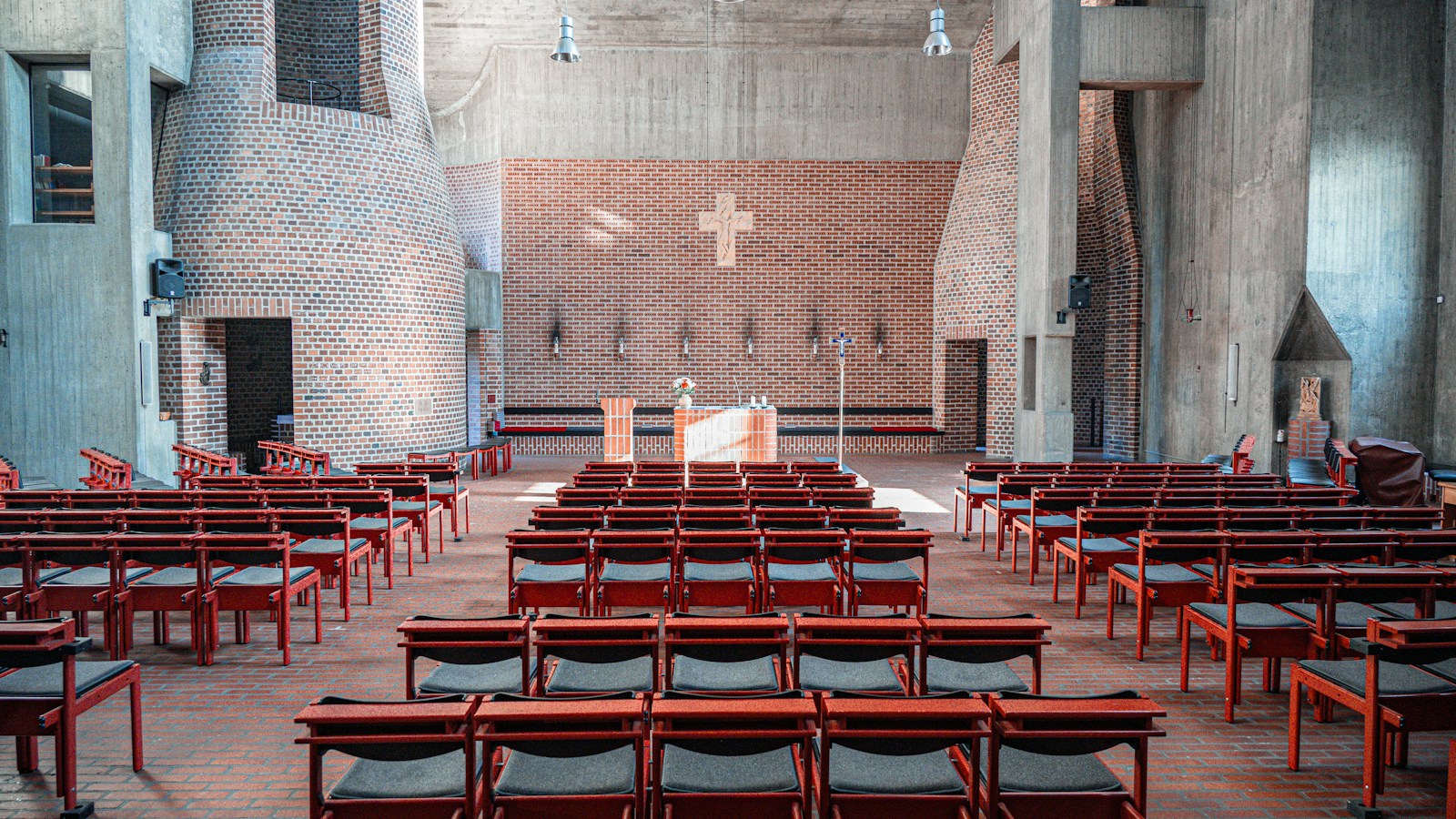
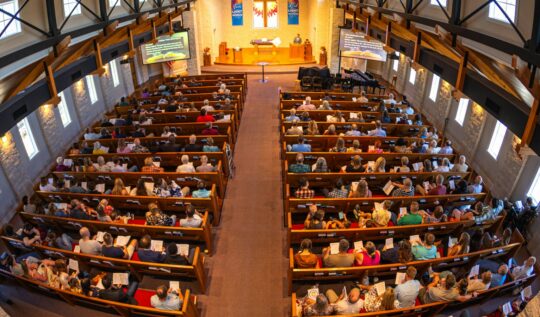
Religious construction spending is running 24.7 percent ahead of last year while the rest of the market contracts, and the median American congregation now gathers about 70 adults. Those two facts together explain why the worship rooms being drawn today are sized differently than the ones built twenty years ago, and why the programming question has shifted from seat count to hours of use.
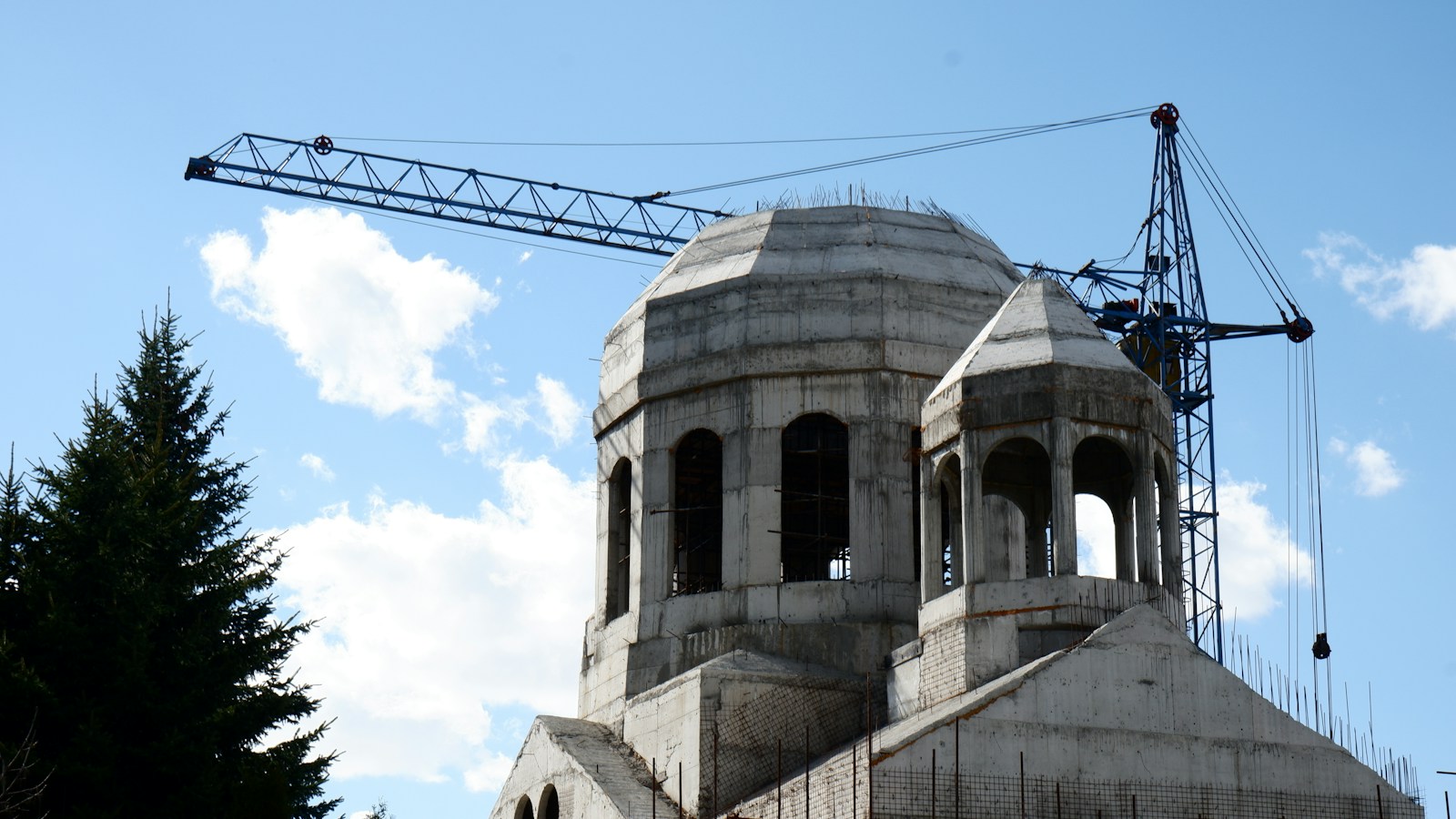
A building project often takes long enough to outlast the leader who started it. Here is what actually leaves with that person, what a written decision record preserves, and how a new pastor or executive director gets up to speed without restarting the design.
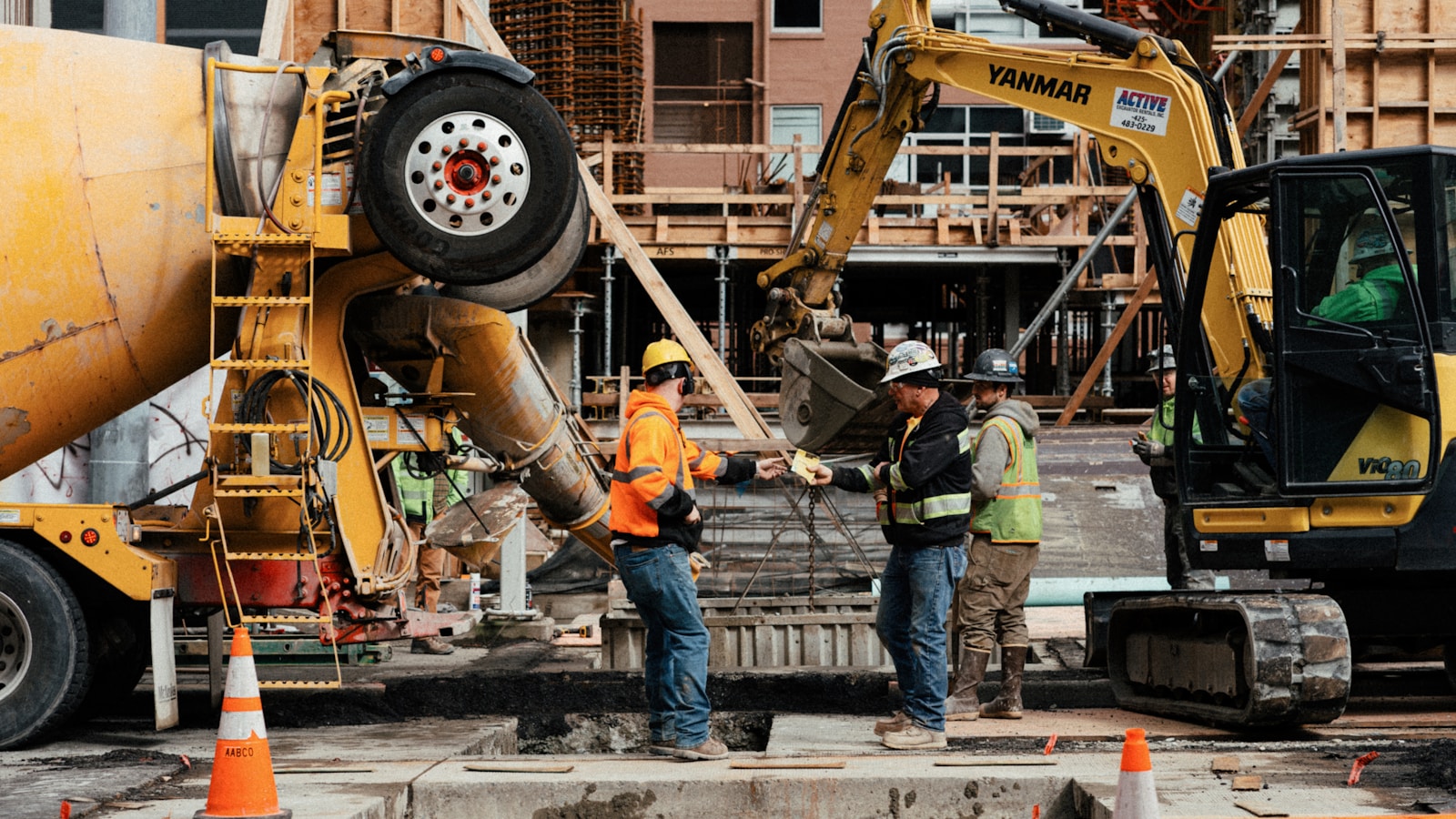
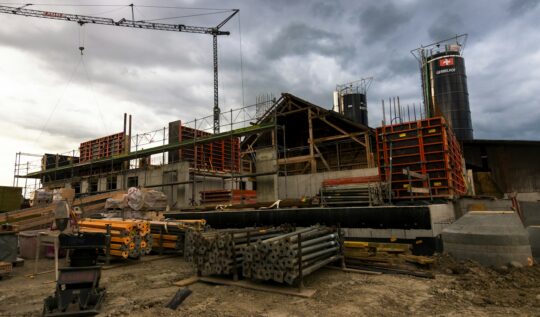
Hiring an architect and a contractor doesn’t end the owner’s involvement in a construction project. It creates new obligations: reviewing pay applications, authorizing change orders, responding to submittals, and showing up for substantial completion. Here is what the owner’s job actually looks like during the building phase.
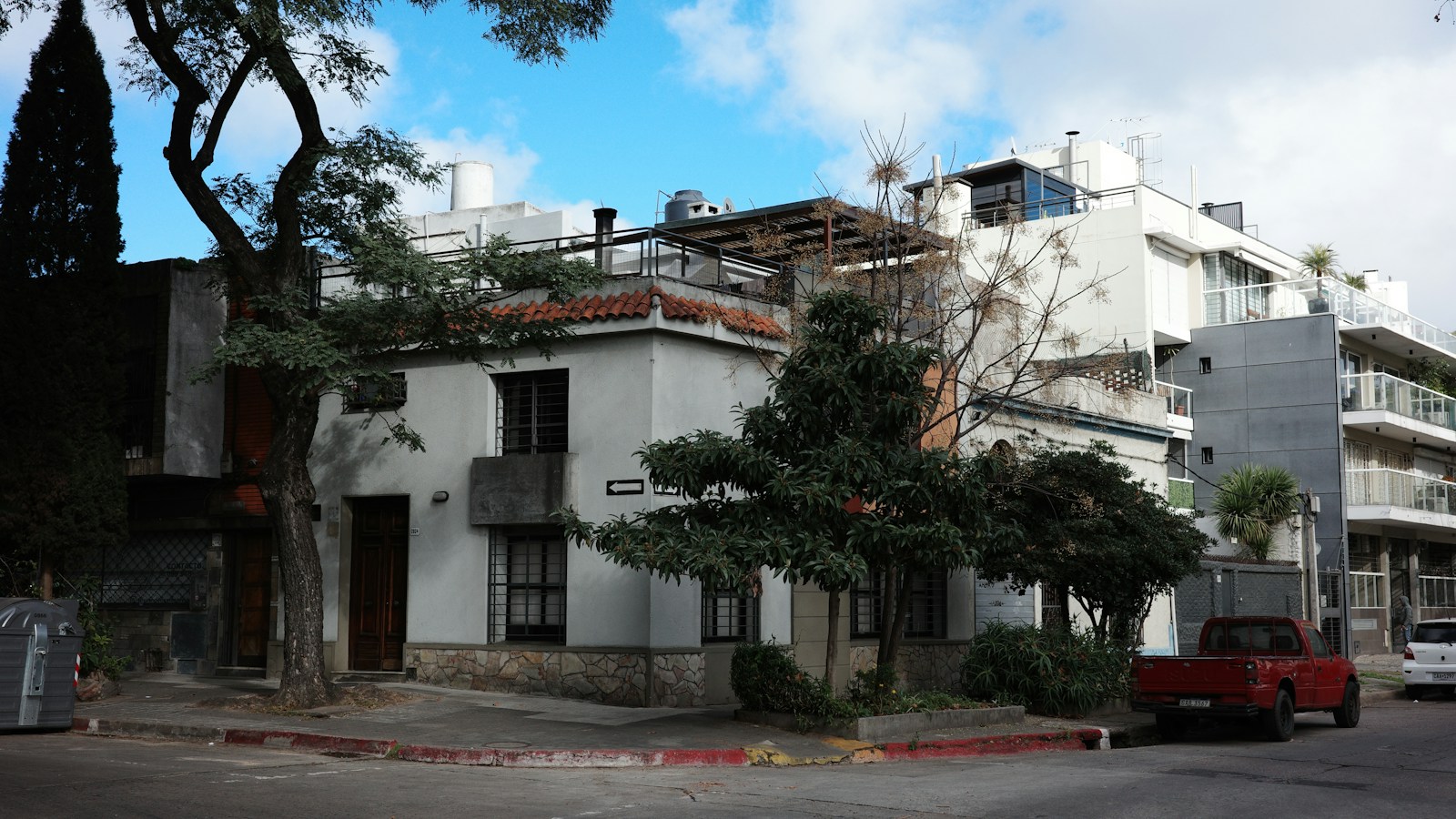
Most church, hotel, and commercial projects need a discretionary approval, which means a room of people will decide how they feel about your building. They will judge what they can picture. Here is what a planning commission actually needs to see, and what an inaccurate rendering costs you after the vote.
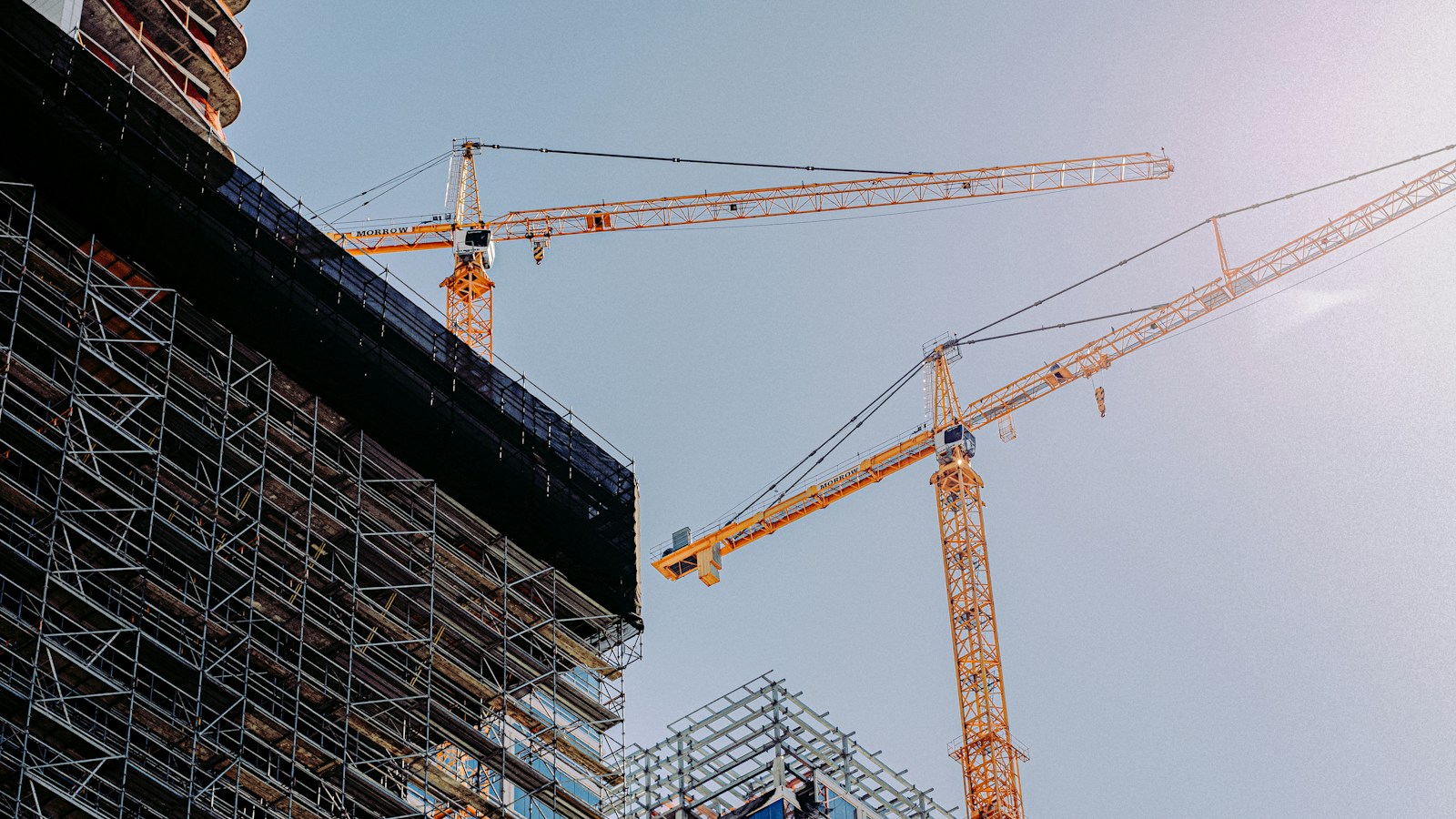
Nonresidential construction spending is falling while material costs keep climbing, and the average between the two describes almost nobody’s project. Here is how to read a K-shaped construction market, what it means for your trades and materials, and how to tell whether the thing holding your project back is the market or your own readiness.

A shelved set of construction documents is not one asset. Some of it holds its value for years while the rest quietly goes stale, and the difference decides whether restarting a stalled building project costs a fraction of a design fee or all of it again.

Three bids on a table look like three prices for the same building, and they almost never are. Comparing construction bids means comparing scope, exclusions, allowances, and duration rather than the number on the cover page. Here is how that reading actually gets done, and why it belongs to someone whose job is to protect the owner.
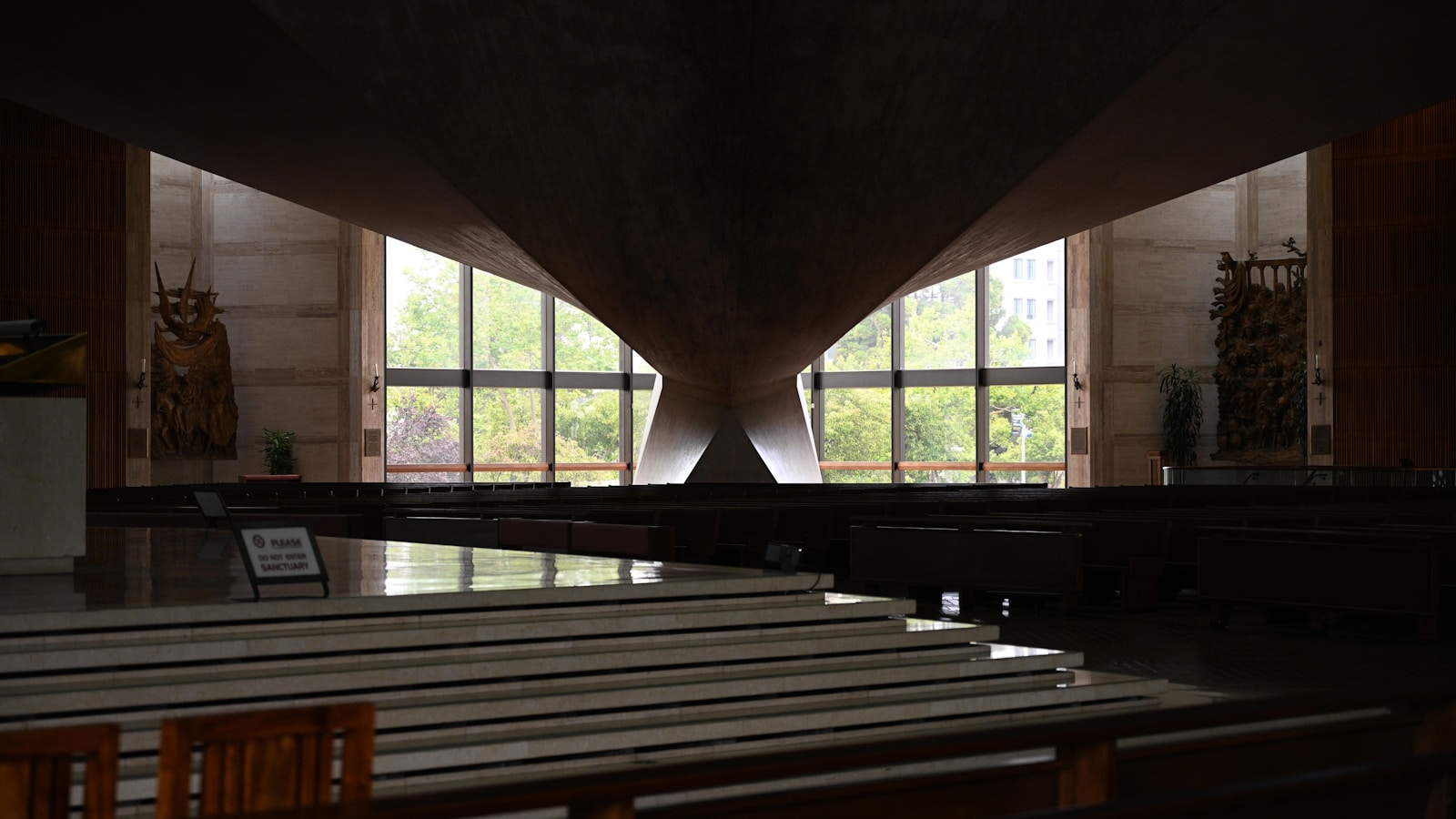
A rendering is a photograph of one flattering moment. Building performance simulation calculates every hour of the year, predicting glare, daylight, and whether a congregation will actually be able to hear from the back row. Here is what these studies measure, and why they only pay for themselves if they happen in schematic design.