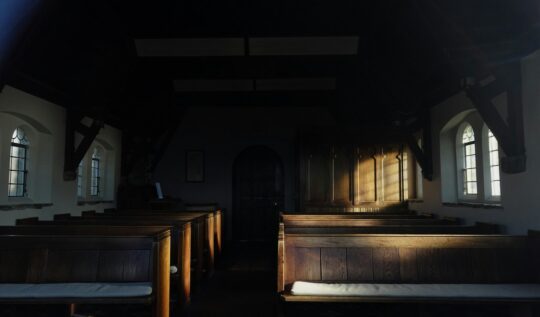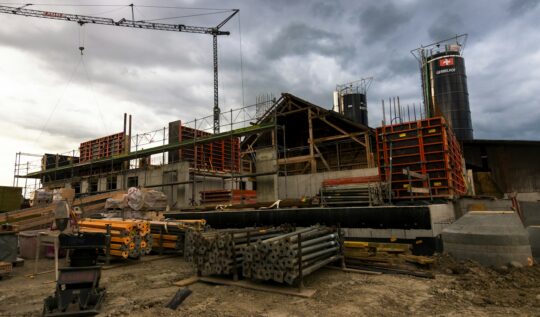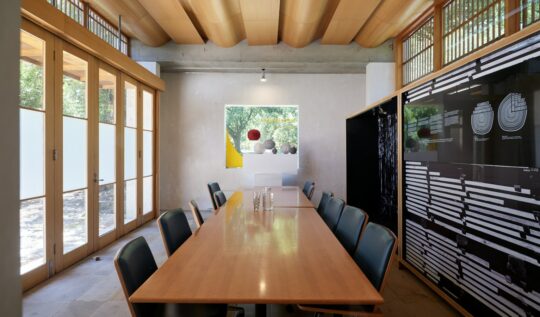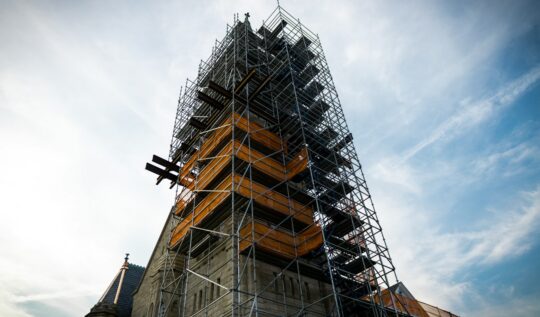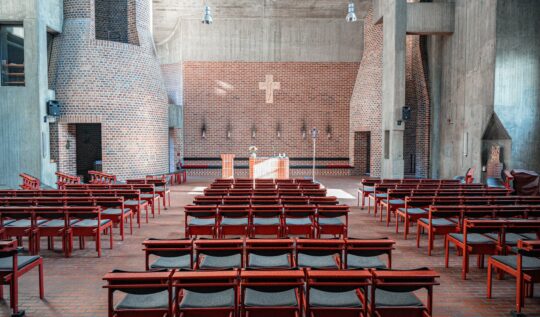
Vacant retail boxes, tired offices, and aging warehouses are increasingly becoming churches, campuses, and community spaces. Here is why adaptive reuse has gone mainstream, where it saves real money and time, and the early investigation that separates a sound opportunity from an expensive surprise.

There is a particular silence that falls when the construction bids land well above budget. How a firm responds in that moment reveals what kind of partner you actually hired. Here is how we treat an over-budget bid as a design problem, not just an accounting one.
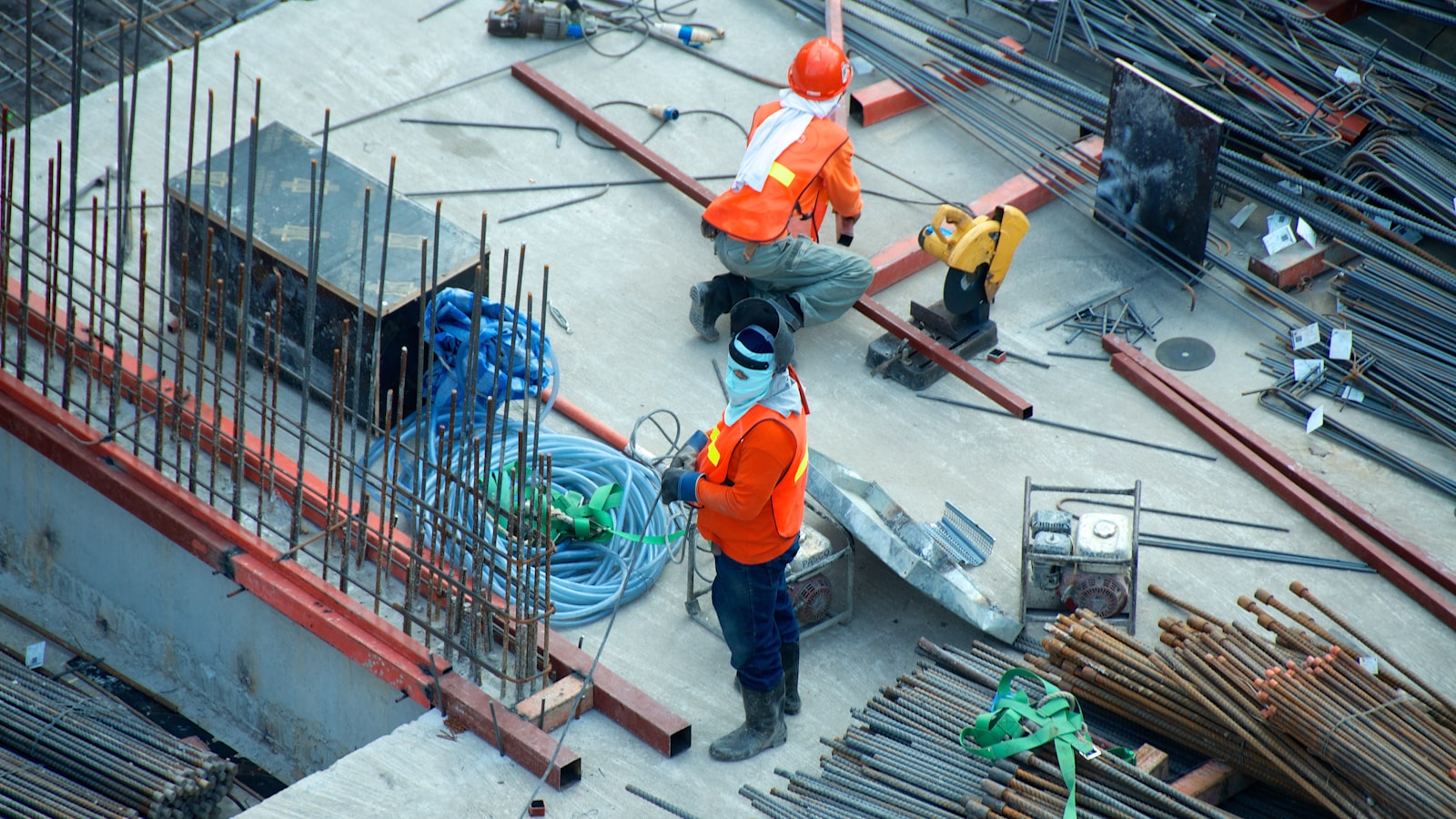
Most building projects begin with a square footage guess, and that guess is where budgets quietly come apart. Here is how the programming phase defines what you are actually building, and why it sets the budget long before anyone draws a line.
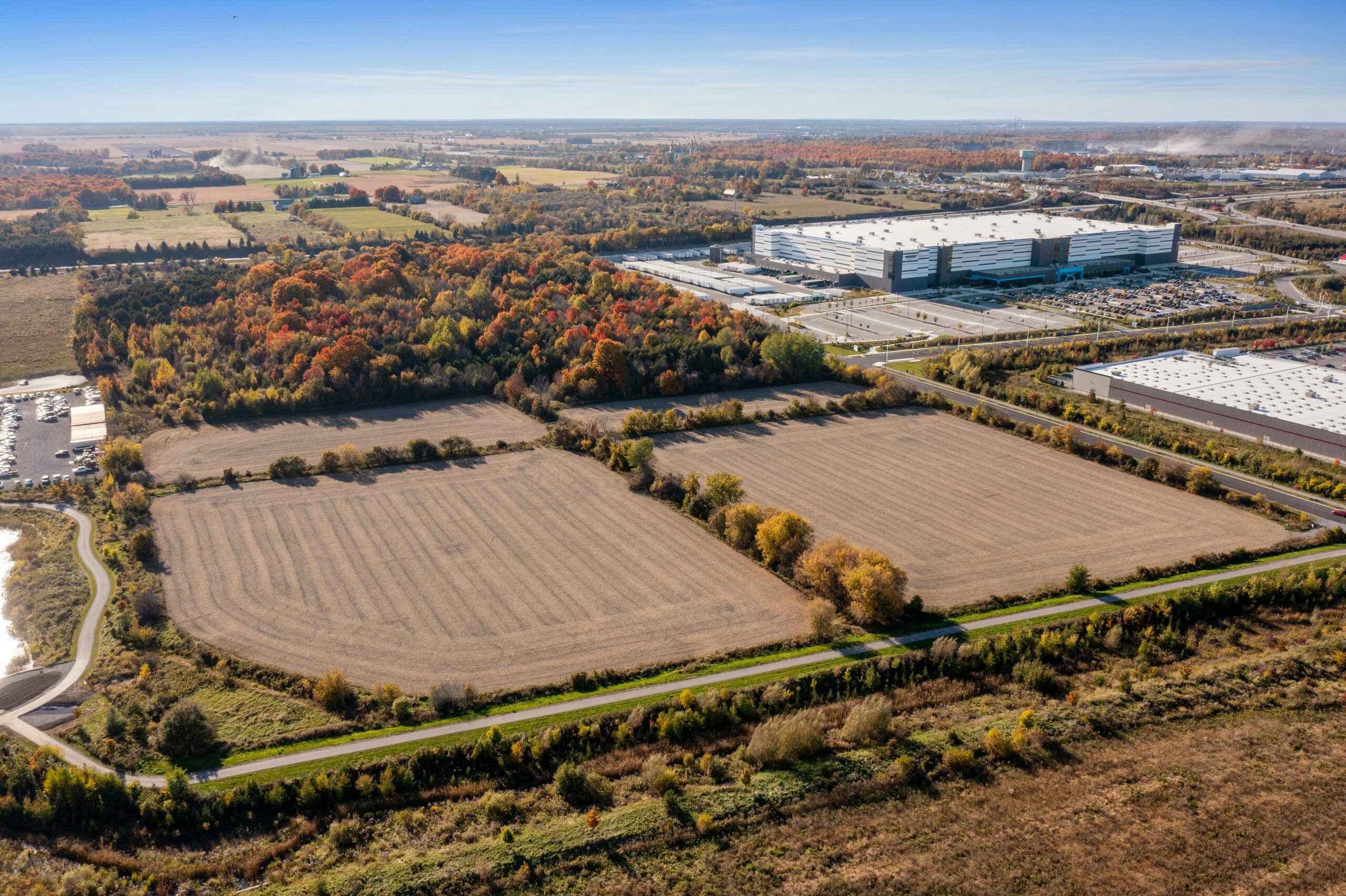
Most organizations buy the land first and call an architect second. The most consequential decisions in a building project are made before a deed is signed. Here is the feasibility work that protects everything that comes after it.
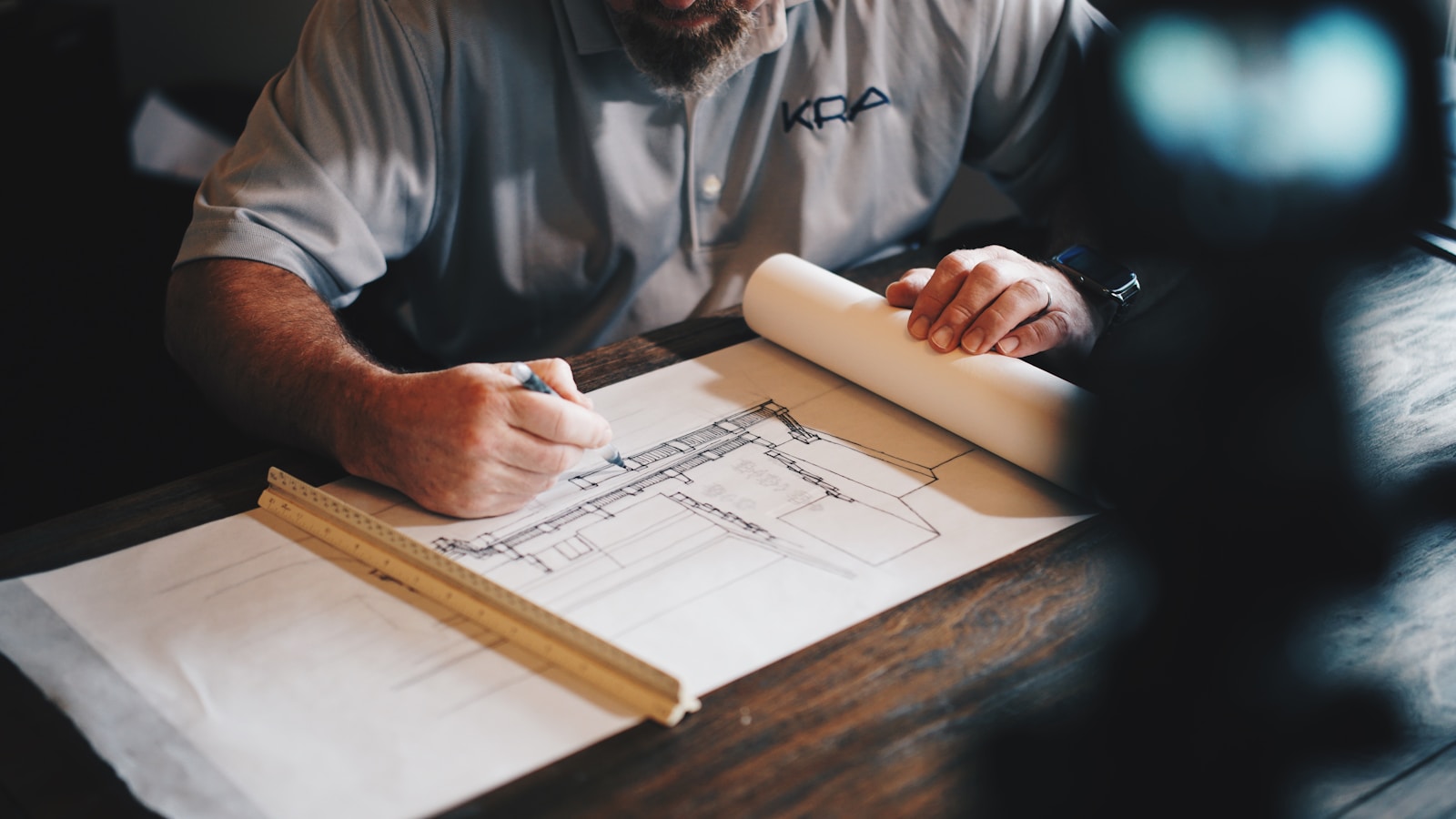
Most building campaigns ask donors to fund something they cannot yet see. The organizations that raise money fastest are almost always the ones that give donors a real image before they ask for a commitment. Here is why architectural visualization belongs at the front of the process, not the end.

Mass timber has moved from architectural curiosity to credible construction strategy. Nearly 2,800 commercial and institutional mass timber projects are now underway in the U.S. Here is what developers, church leaders, and institutional owners need to know before evaluating it for their next project.

There is a meaningful difference between an architecture firm that produces drawings and one that genuinely thinks through problems with you. Understanding that distinction before you hire can determine whether a project succeeds or stalls when complications arrive.

Most clients think of their architect as the person who draws the plans. The reality is that an architect’s work begins long before a single line is drawn and continues well after the last contractor leaves the site. Understanding the full scope of what architects do transforms the relationship from transactional to genuinely collaborative, and that difference shows up in the quality of the finished building.