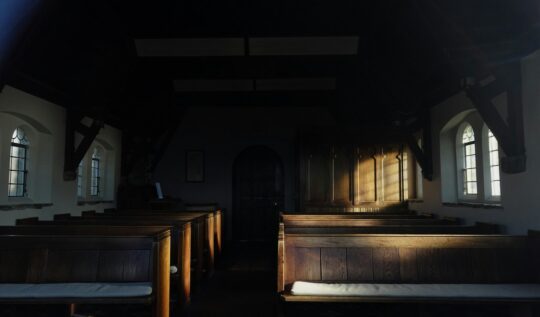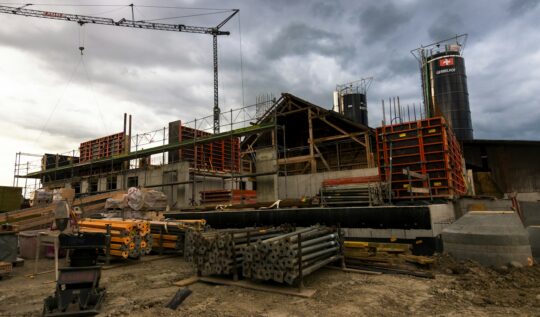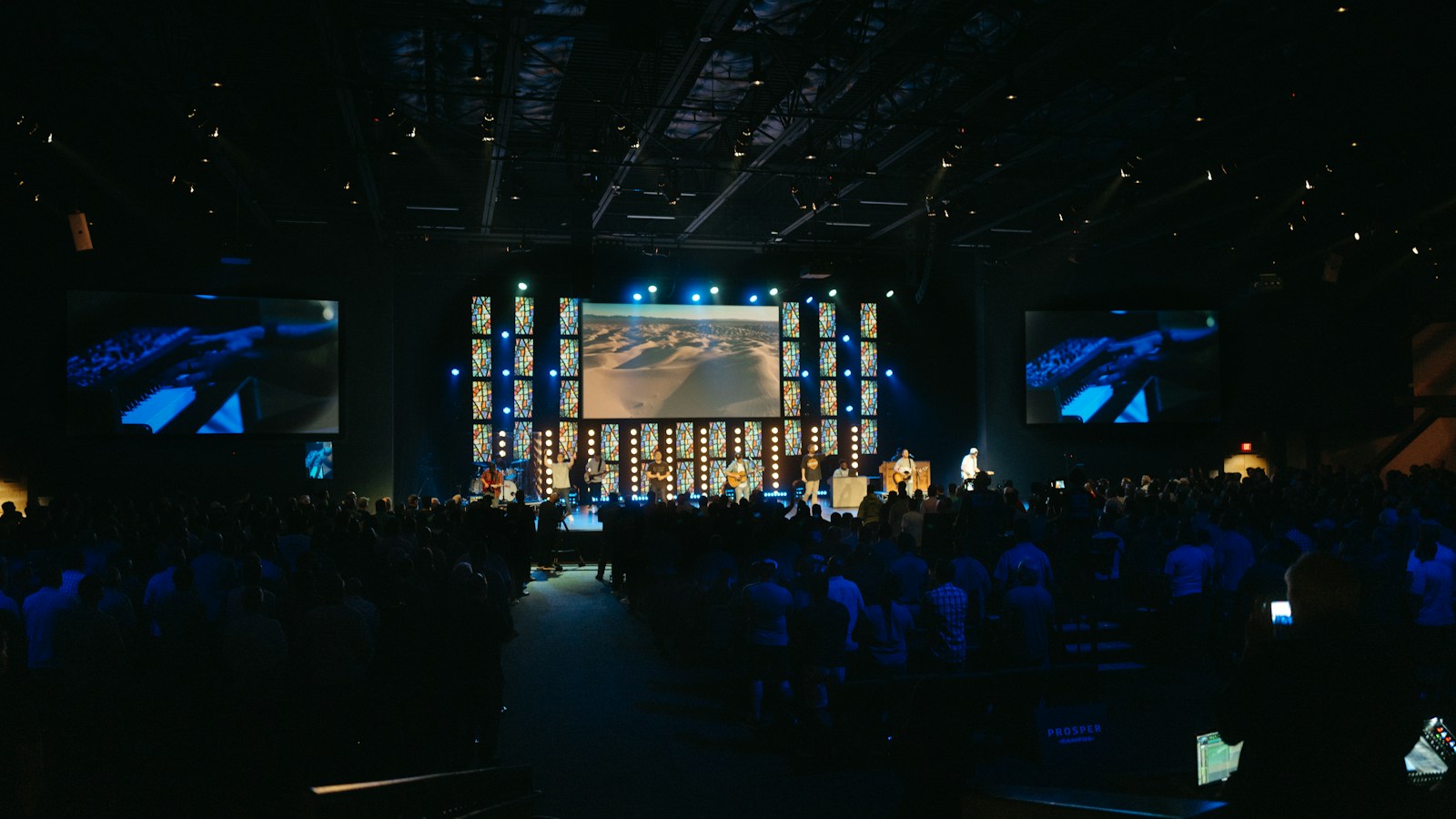
Campaign renderings are usually made before the engineers have placed a single speaker, diffuser, or rooftop unit, and the trees in them are decades old. Here is what an architectural rendering typically leaves out, and how to ask for the honest version before anyone writes a check.
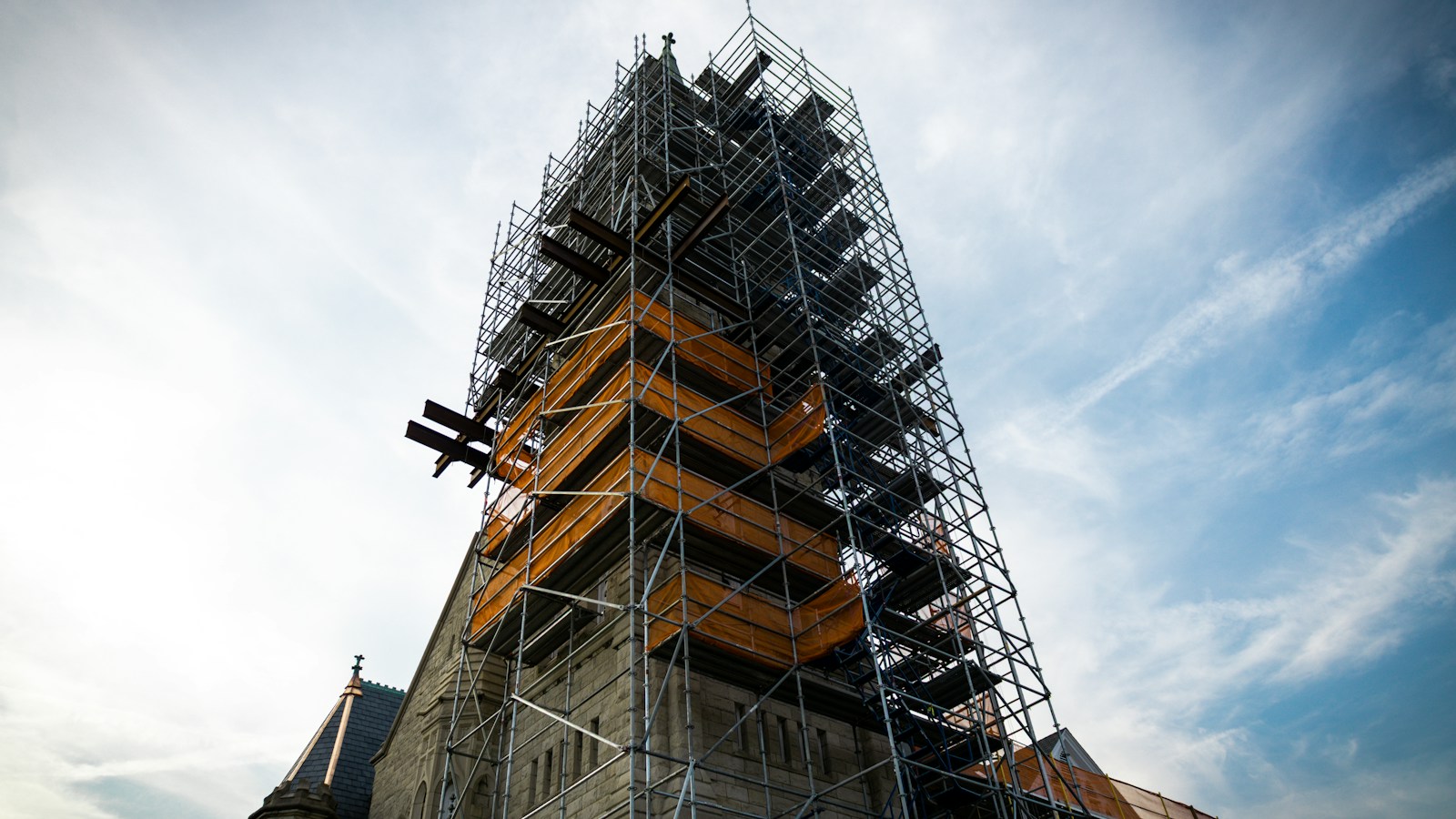
Most church campaigns are sold with a picture of the finished campus, and then the congregation walks into phase one and wonders where the rest of it went. A phased master plan deserves a rendering of every phase as a complete place, because the image people carry becomes the standard they judge the building by.
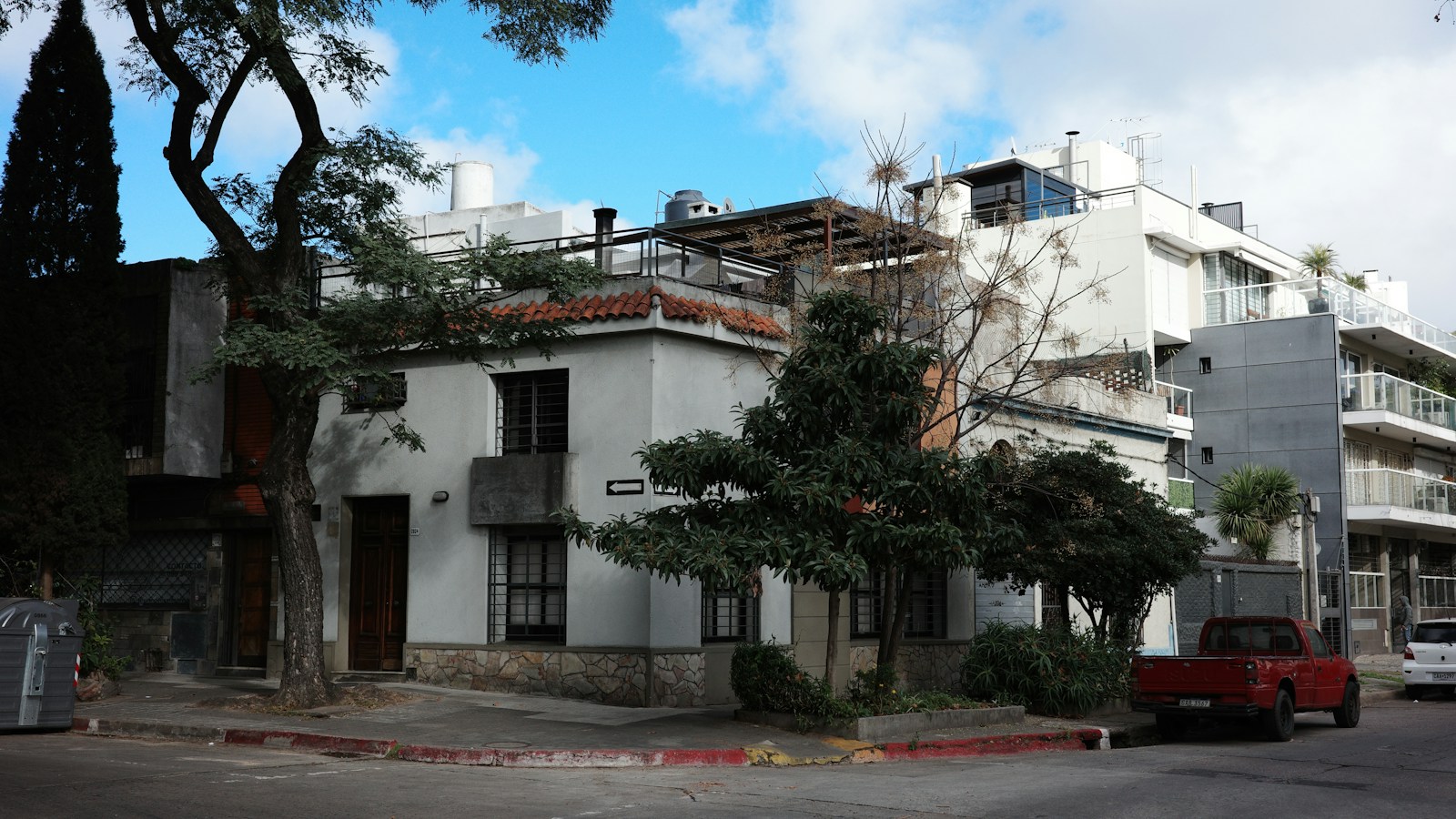
Most church, hotel, and commercial projects need a discretionary approval, which means a room of people will decide how they feel about your building. They will judge what they can picture. Here is what a planning commission actually needs to see, and what an inaccurate rendering costs you after the vote.
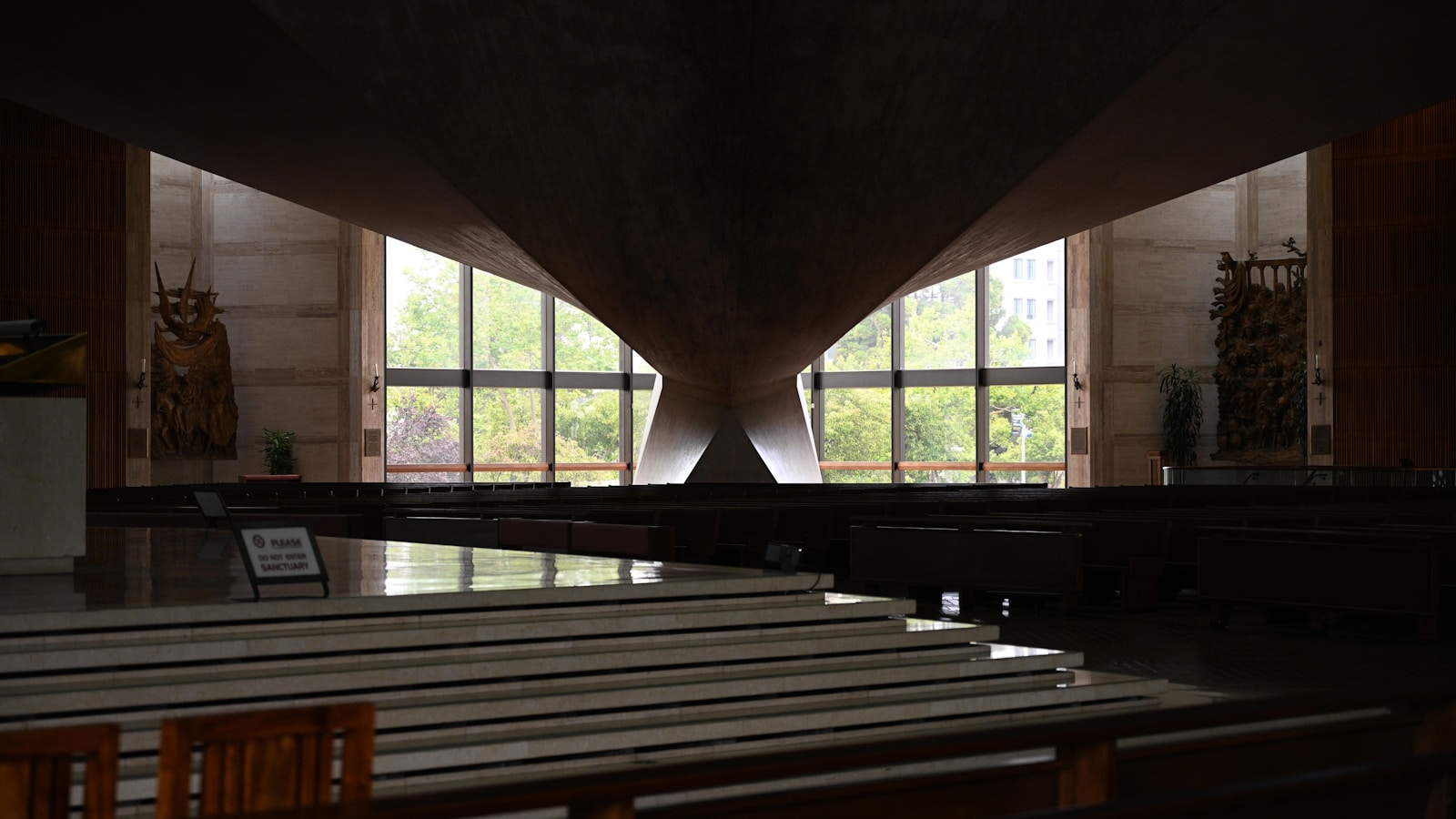
A rendering is a photograph of one flattering moment. Building performance simulation calculates every hour of the year, predicting glare, daylight, and whether a congregation will actually be able to hear from the back row. Here is what these studies measure, and why they only pay for themselves if they happen in schematic design.
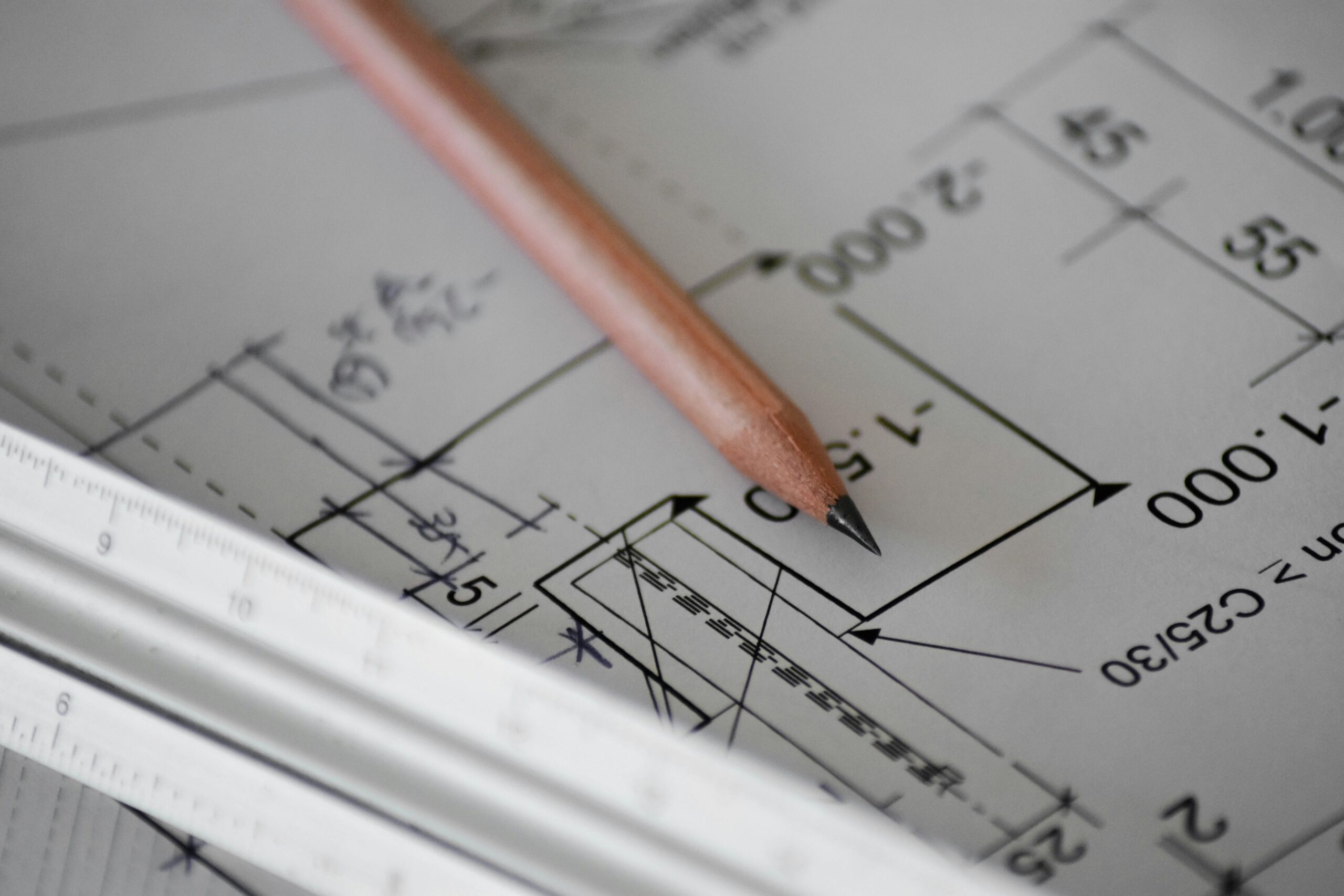
Most as-built drawings do not describe the building that is actually standing, and renovation budgets pay for the difference. Laser scanning and an accurate 3D model turn existing conditions from a guess into a measurement before design begins.
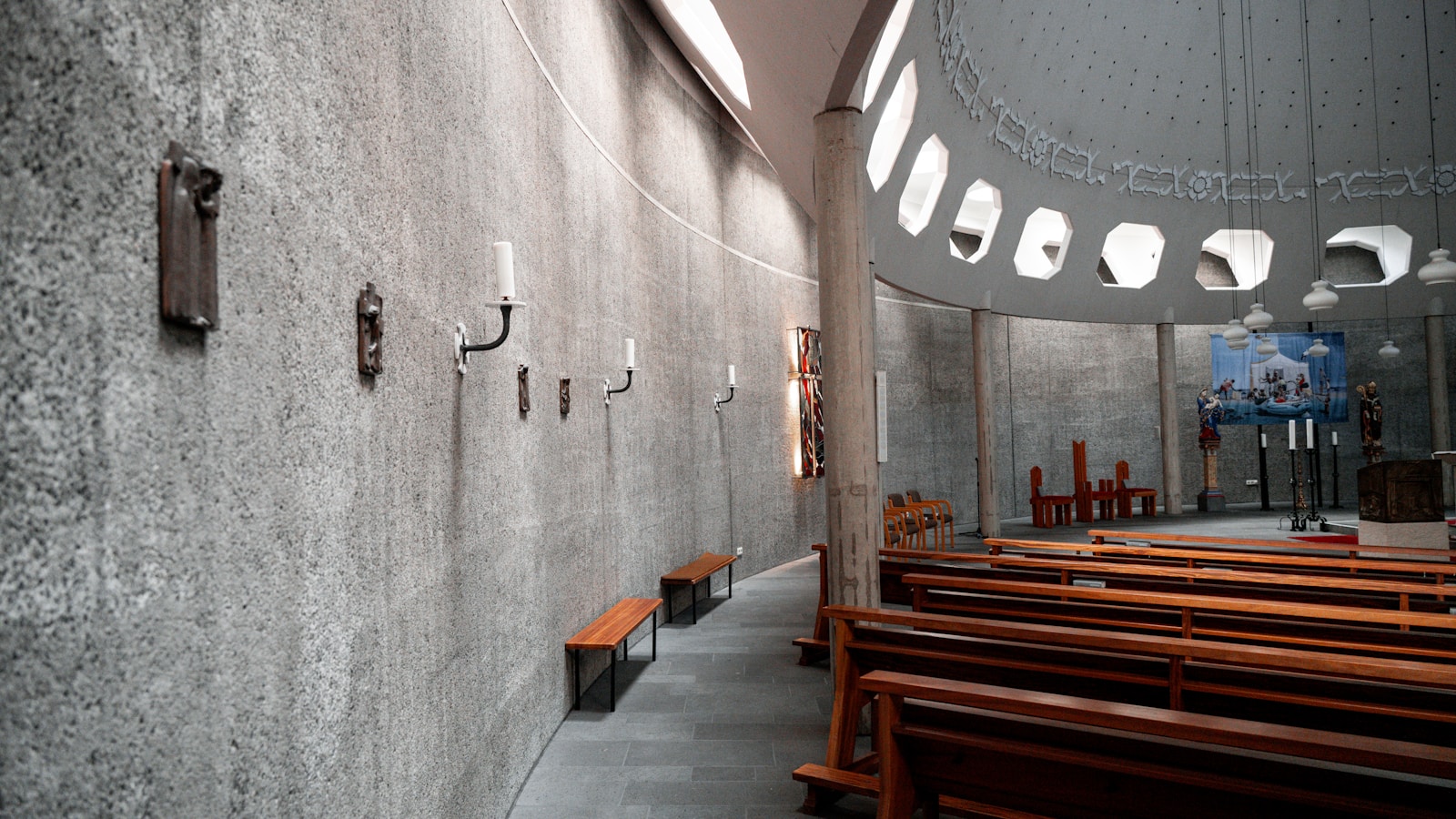
A committee can approve a floor plan unanimously and still be picturing eleven different buildings. Here is how immersive visualization surfaces the disagreement while it is still free to fix, and why a congregation that has walked through the design votes on a building instead of on trust.
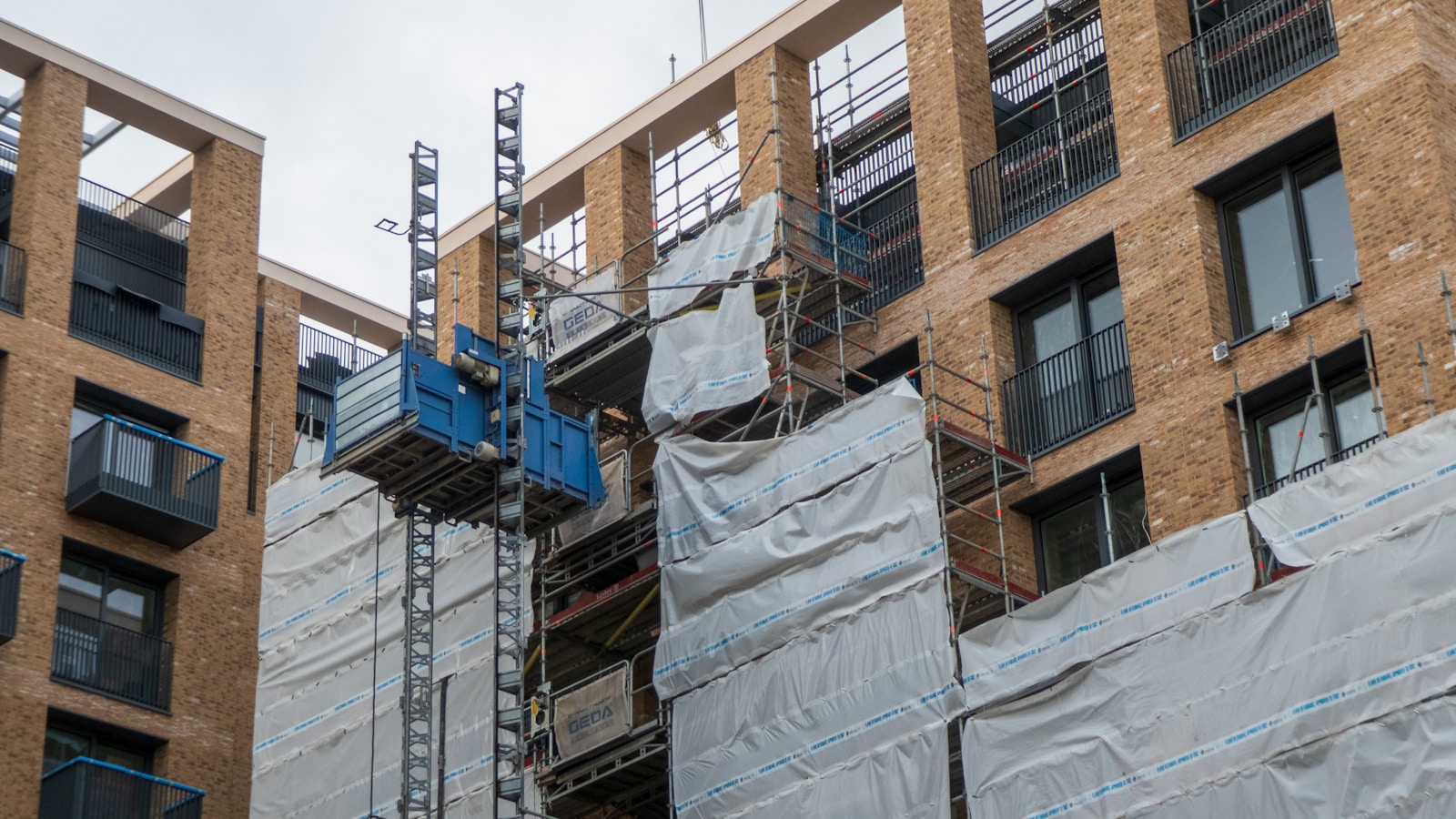
Hotels, franchise locations, and church campuses cannot simply close for a renovation. Here is how visualized, phased construction planning protects revenue and continuity while the work happens around a building that stays in use.
Hiring separate firms for design, renderings, and construction opens coordination gaps that cost owners time and credibility. Here is why UNITE keeps architecture and visualization under one roof, from first sketch to final walkthrough.

A rendering does more than sell a vision to donors and planning boards. A coordinated 3D model catches the spatial conflicts, code issues, and coordination errors that flat drawings hide, before they become expensive change orders in the field.
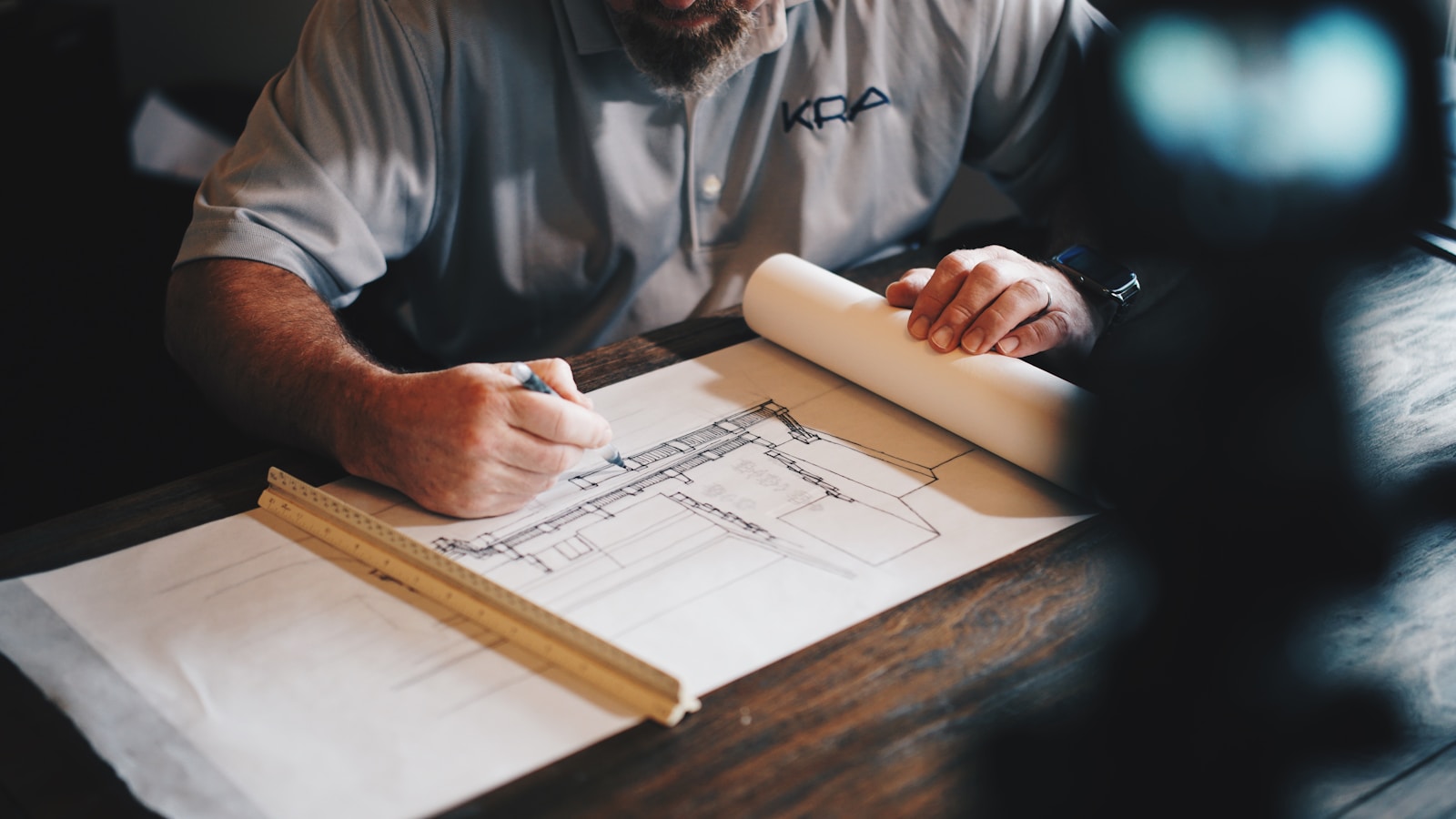
Most building campaigns ask donors to fund something they cannot yet see. The organizations that raise money fastest are almost always the ones that give donors a real image before they ask for a commitment. Here is why architectural visualization belongs at the front of the process, not the end.