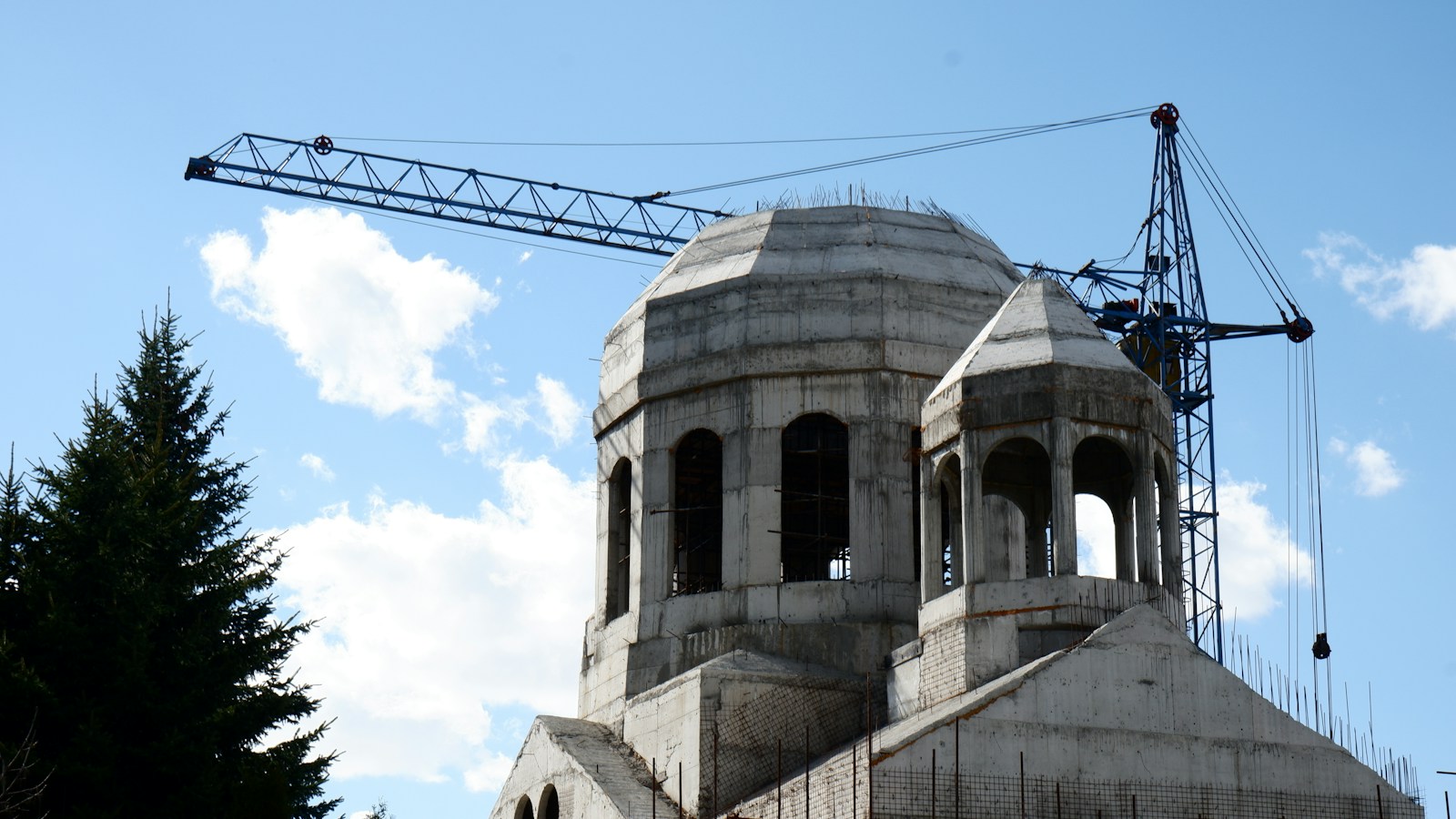
A building project often takes long enough to outlast the leader who started it. Here is what actually leaves with that person, what a written decision record preserves, and how a new pastor or executive director gets up to speed without restarting the design.

Hiring an architect and a contractor doesn’t end the owner’s involvement in a construction project. It creates new obligations: reviewing pay applications, authorizing change orders, responding to submittals, and showing up for substantial completion. Here is what the owner’s job actually looks like during the building phase.

A change order lands mid-project and someone has to decide who pays for it. Here is how the three kinds of change orders differ, why your architect is contractually the one who rules on them, and how most of the work that prevents them happens months before construction starts.
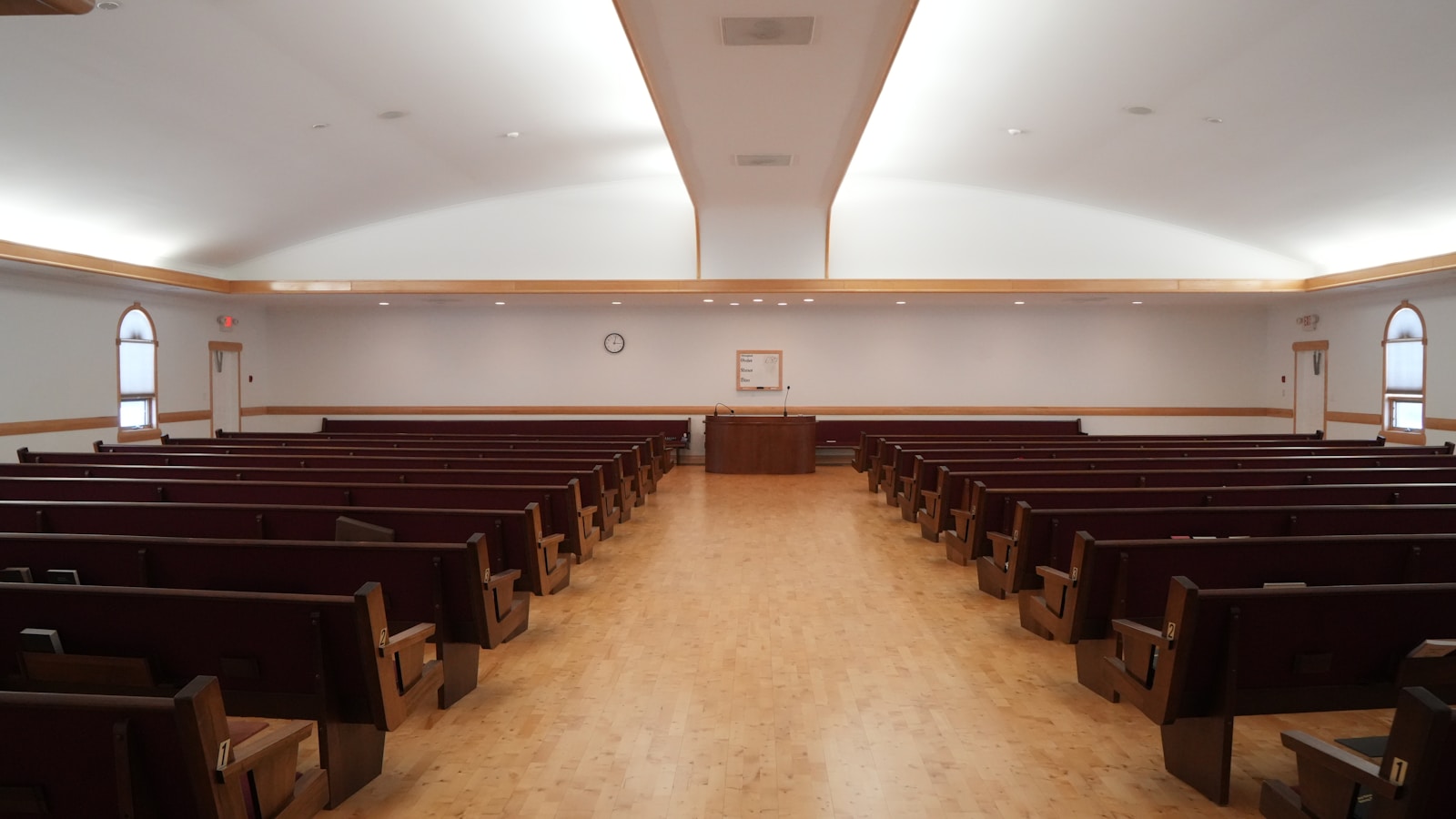
Moving in is not the same as finishing. Substantial completion, the punch list, system commissioning, record documents, and the eleven-month warranty review are five separate obligations with their own clocks. Here is what each one does and what it costs an owner to skip it.

Hiring separate firms for design, renderings, and construction opens coordination gaps that cost owners time and credibility. Here is why UNITE keeps architecture and visualization under one roof, from first sketch to final walkthrough.