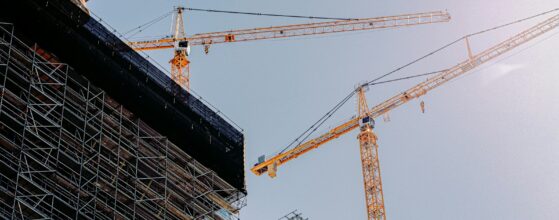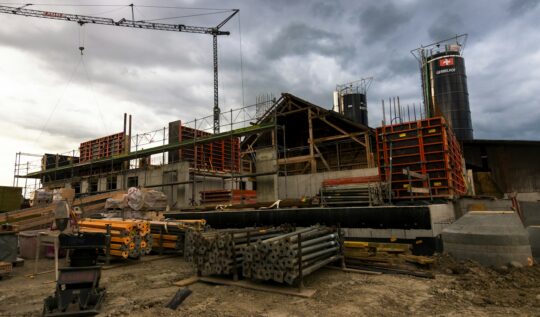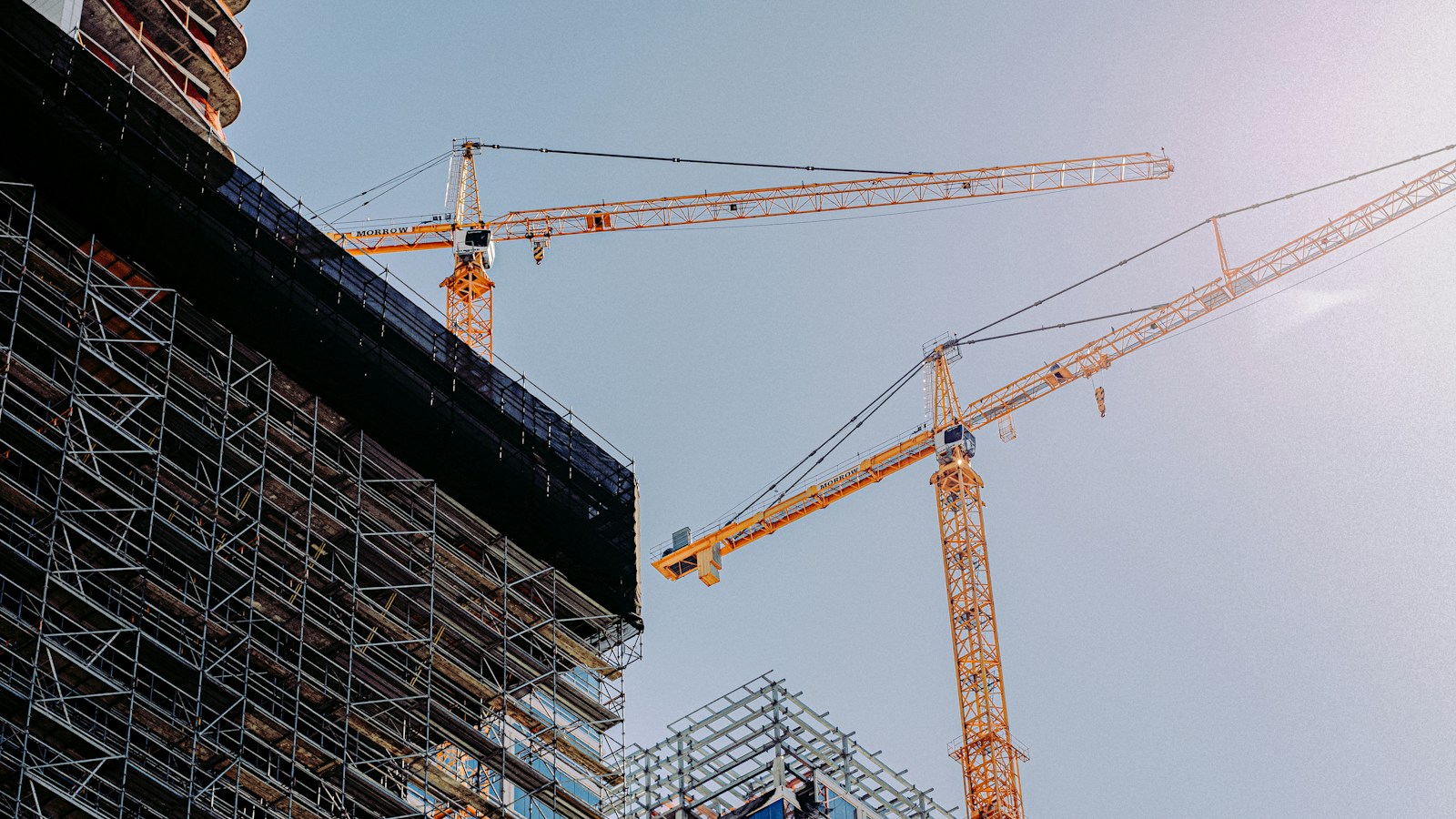
Nonresidential construction spending is falling while material costs keep climbing, and the average between the two describes almost nobody’s project. Here is how to read a K-shaped construction market, what it means for your trades and materials, and how to tell whether the thing holding your project back is the market or your own readiness.
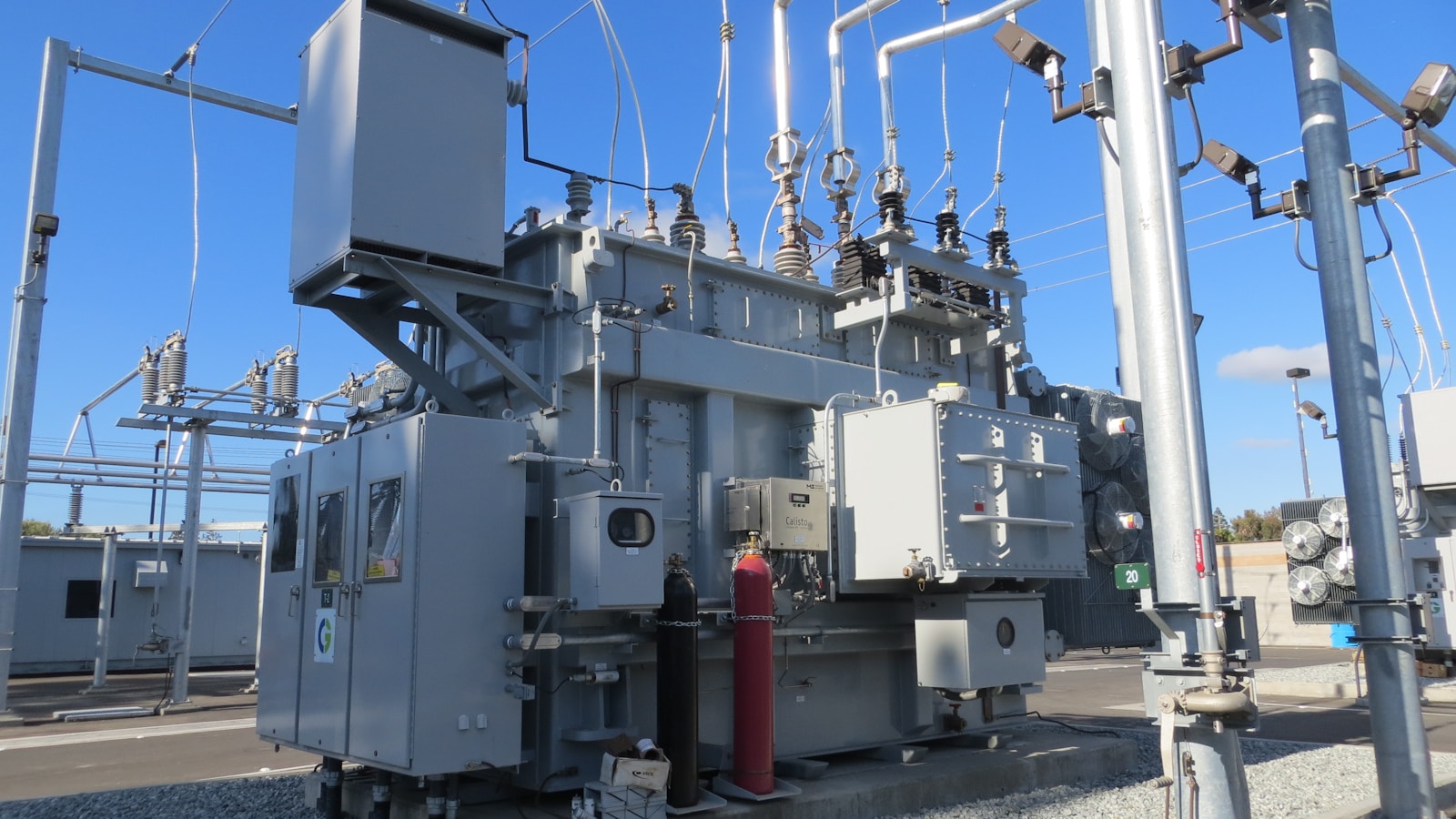
Electrical switchgear now averages close to a year from order to delivery, and large transformers take more than two years. That turns power equipment into one of the longest items on a construction schedule. Here is what it means for churches, hotels, and commercial owners planning a project.
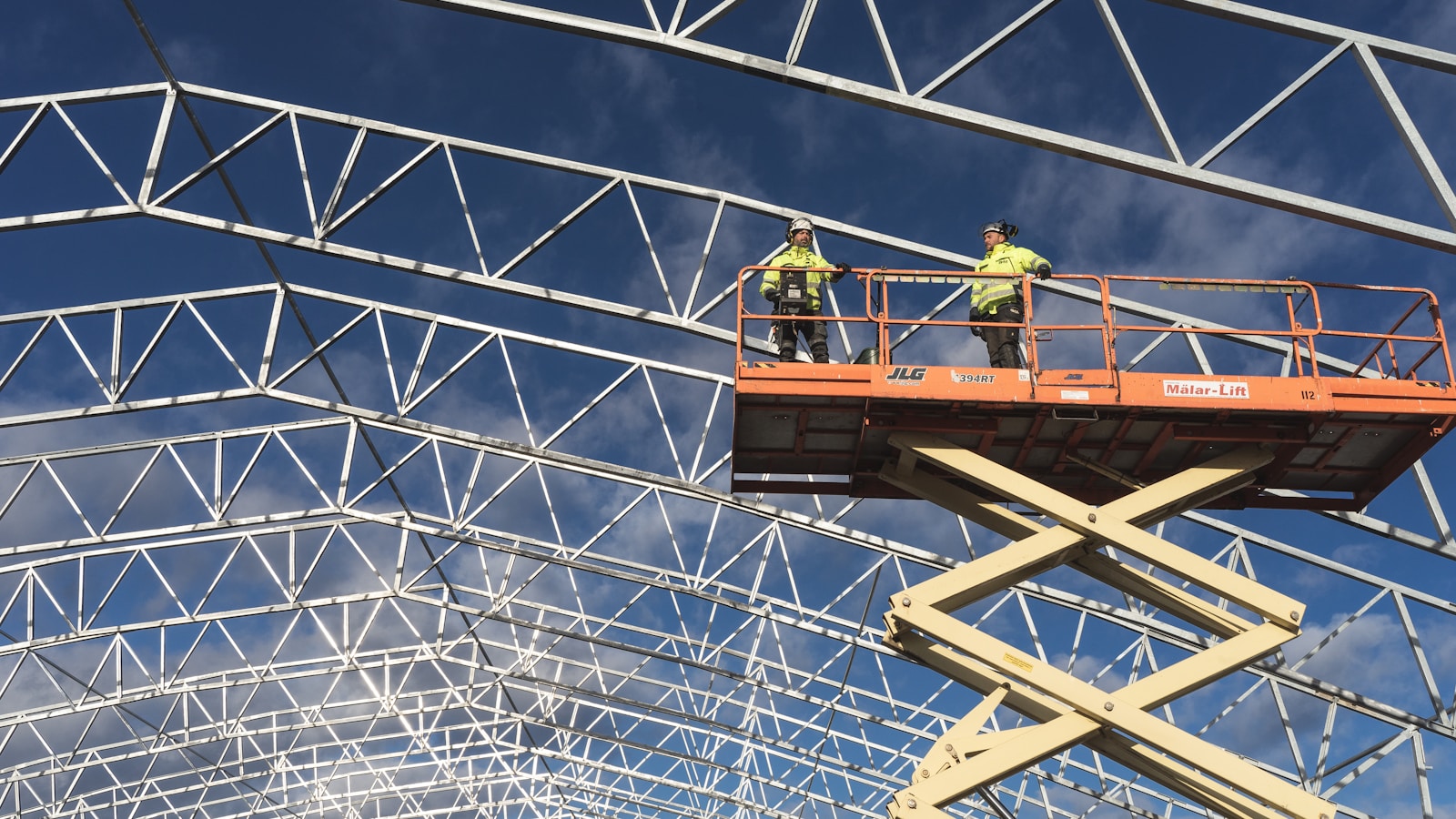
More than four out of five construction firms say they cannot fill the craft positions their projects depend on. Labor scarcity has quietly become a design variable, and the decisions that absorb it best are made on paper, long before a contractor is asked to price the work.
Heat pumps now outsell gas furnaces in the U.S. by the largest margin ever recorded. New codes, rising gas prices, and advances in cold-climate technology have made all-electric construction a mainstream reality, not just a coastal trend. Here is what building electrification actually means for the architect’s drawing set, and why it has to be part of the pre-design conversation.
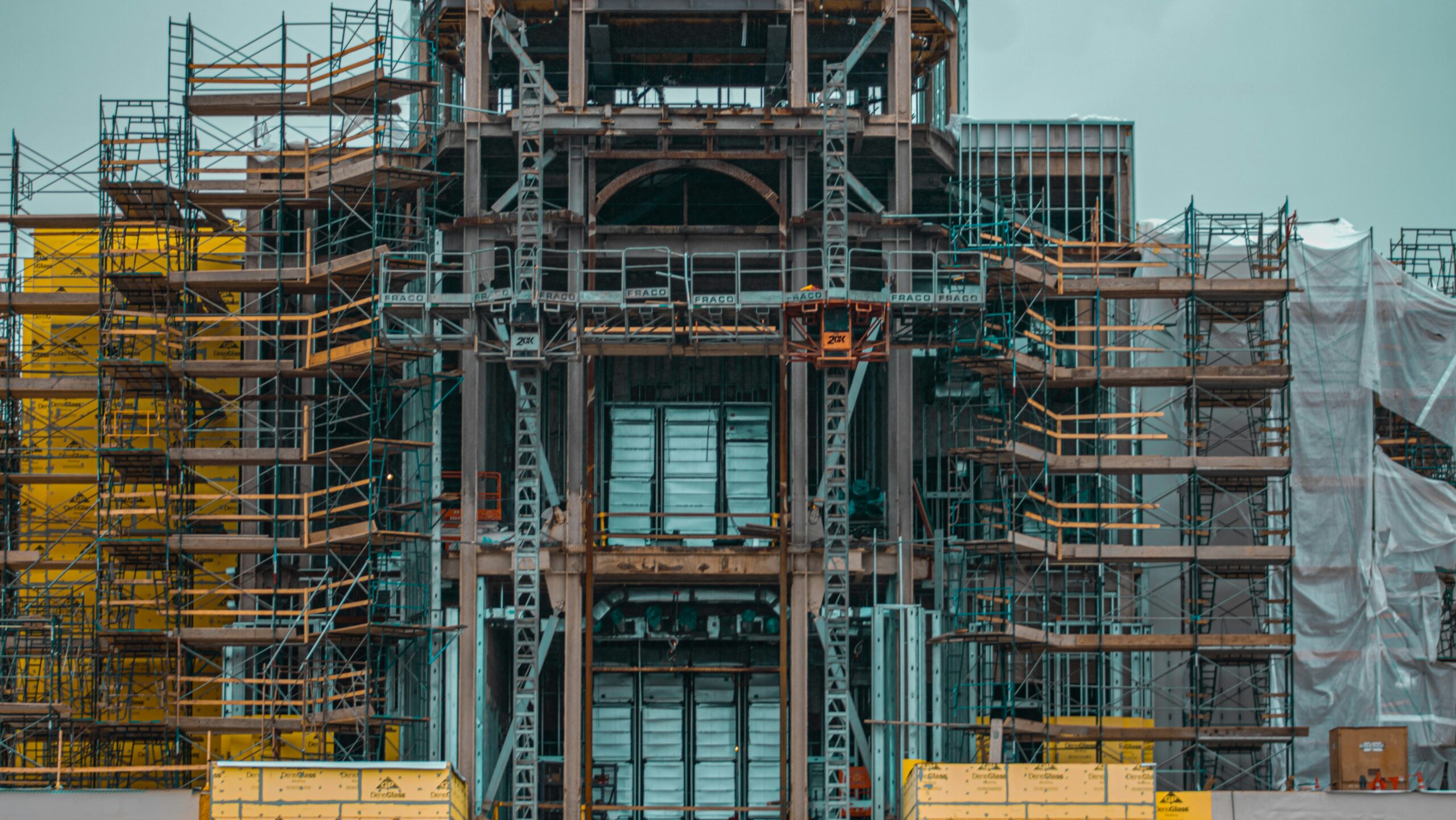
Passing inspection does not mean a building is insurable. Insurers are now the ones setting the real design standard for churches, hotels, and commercial properties in weather-exposed regions, and the gap between code minimums and insurability is only growing.
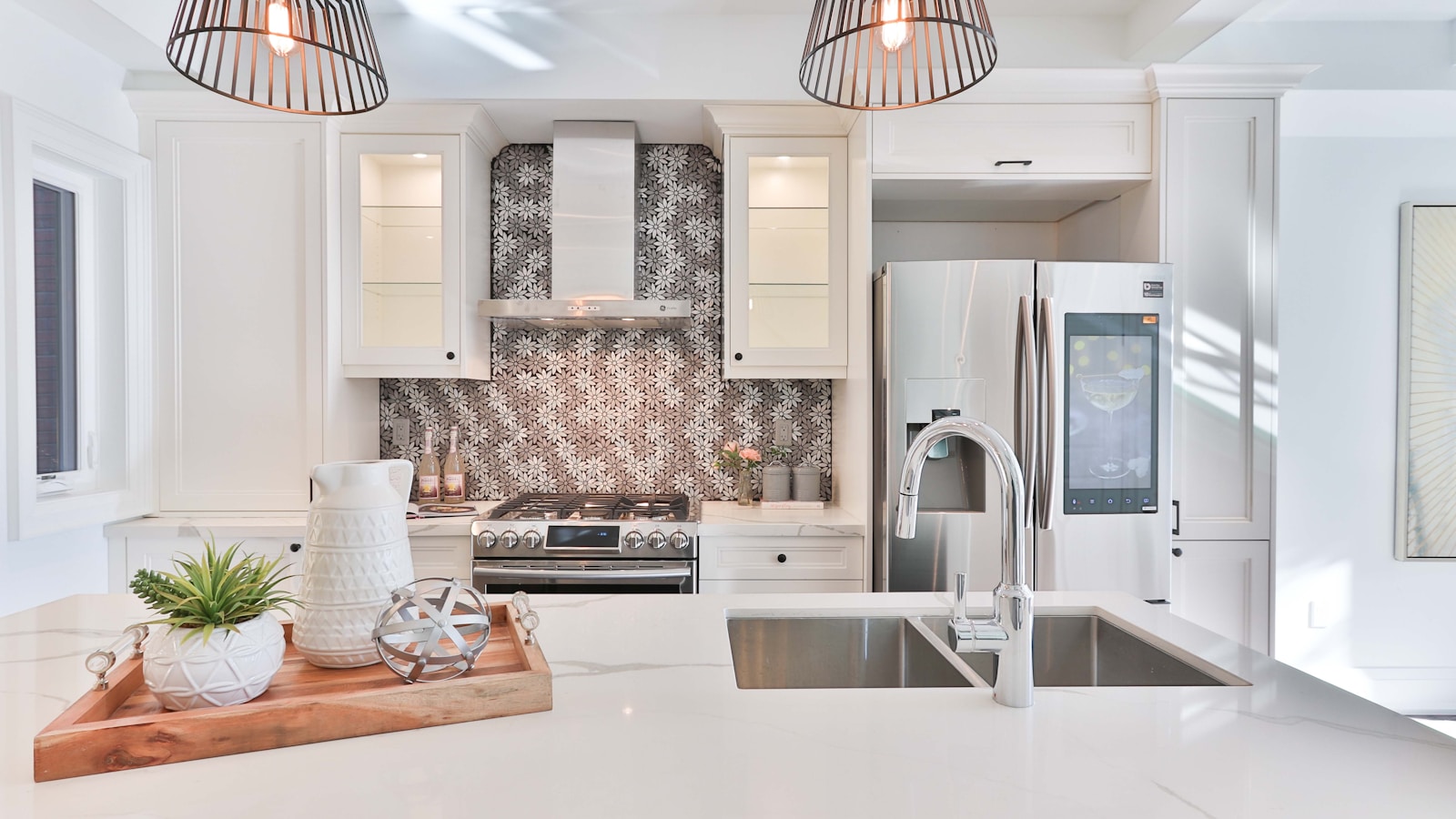
A rendering does more than sell a vision to donors and planning boards. A coordinated 3D model catches the spatial conflicts, code issues, and coordination errors that flat drawings hide, before they become expensive change orders in the field.