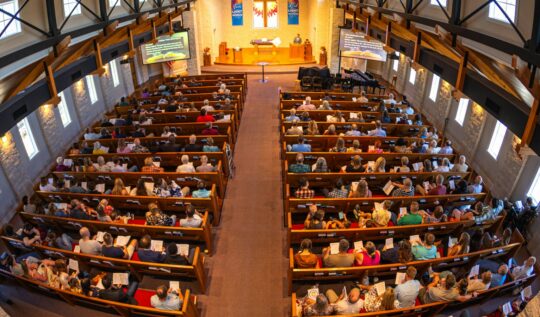
Most church building committees are built to represent the congregation and then asked to make decisions, which large groups do poorly. Here is how to structure a building committee so the right people are heard, a small group decides, and one person speaks for the church.
Most church buildings work fine during the worship hour. The real test comes in the fifteen minutes between services, when restrooms, children’s check-in, the foyer, and the parking lot all peak at once, and code minimums were never designed for that pulse.
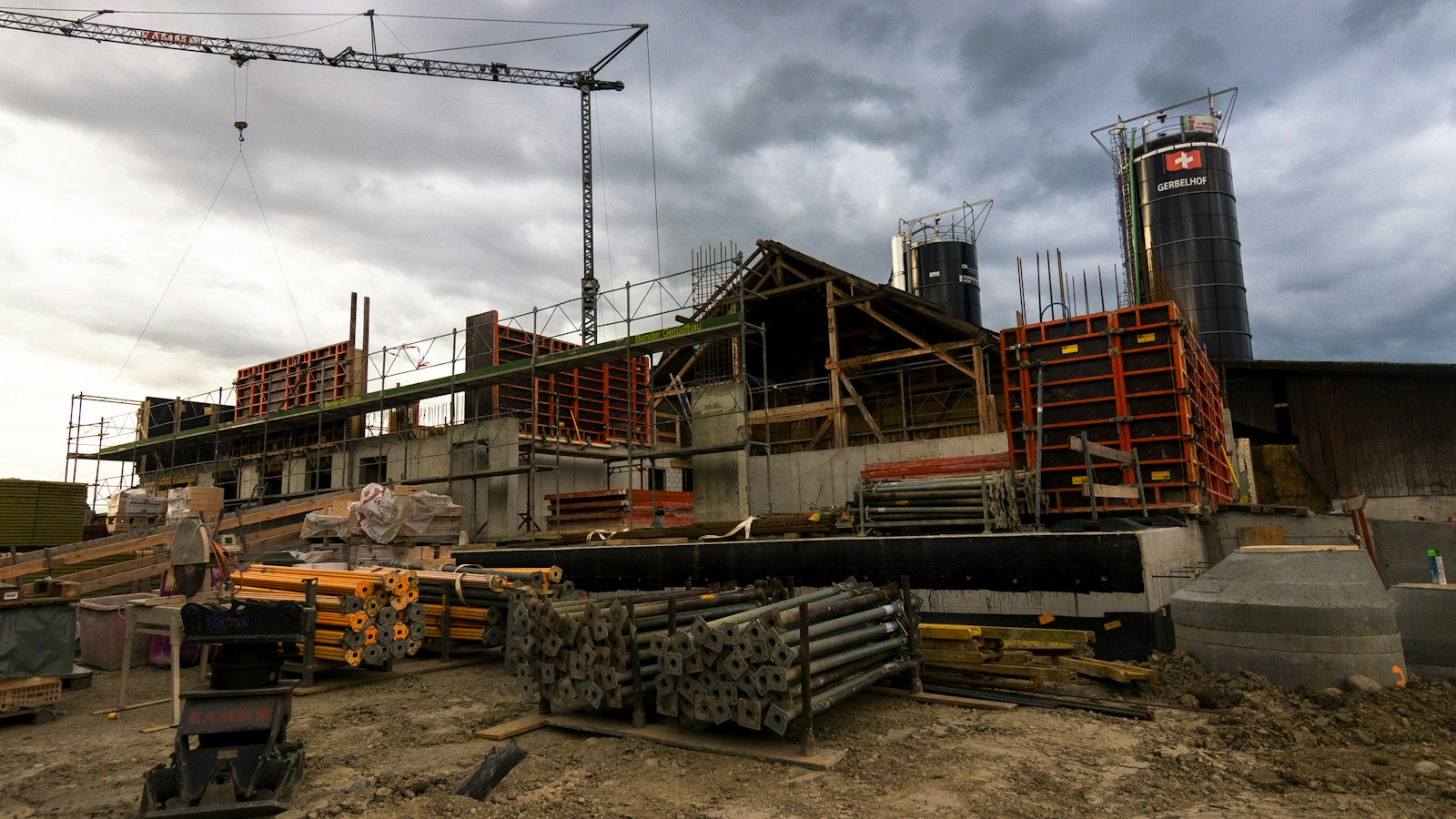
The construction number is the largest line in a project budget, which is exactly why it gets mistaken for the whole thing. Here is what a complete total project budget contains, from professional services and utility fees to furnishings, financing, escalation, and contingency.
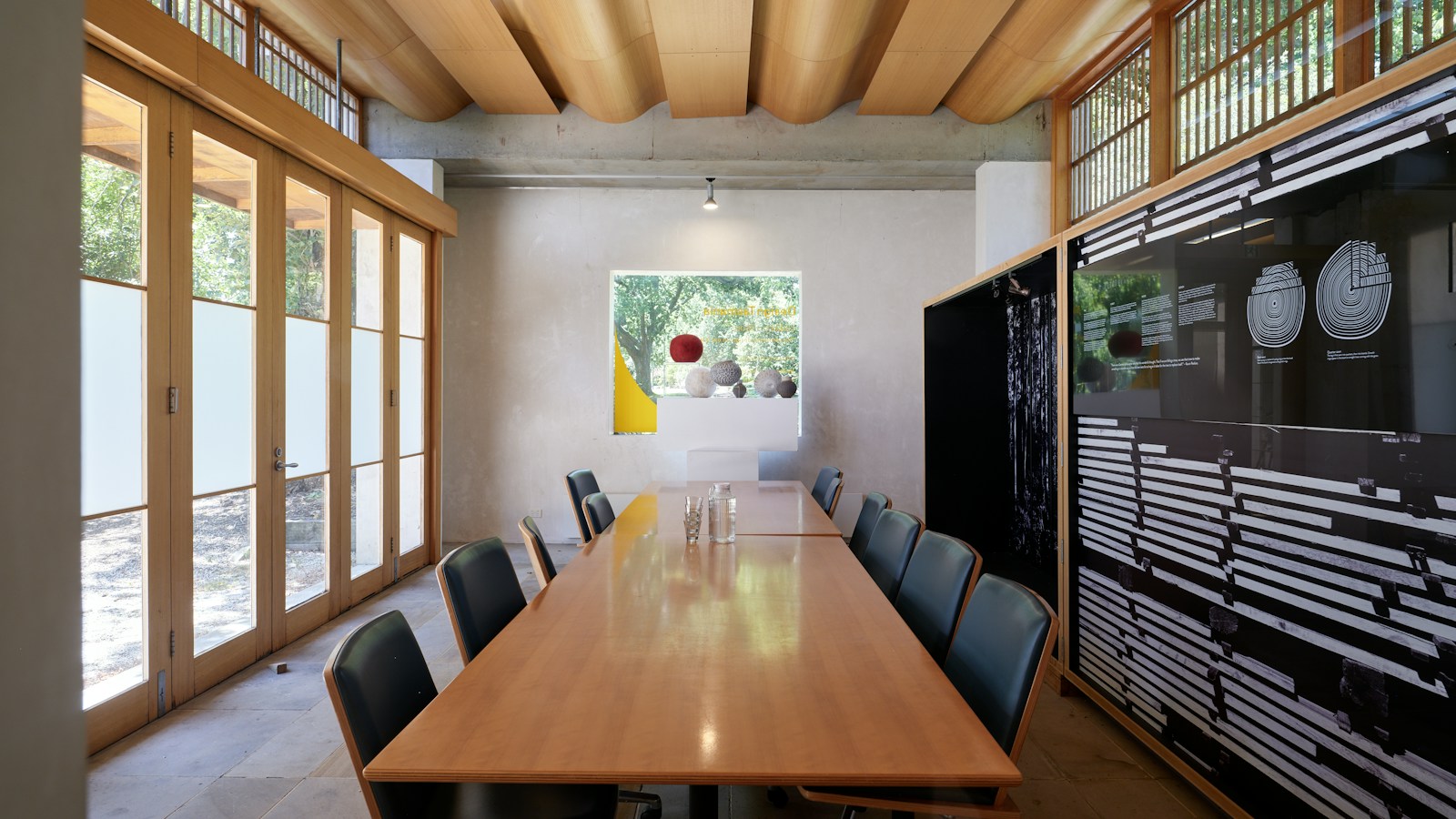
Most architect interviews spend the hour on a portfolio of buildings designed for someone else. Here is how owners can prepare, what to ask, how to check references, and how to keep fees from quietly choosing the team.
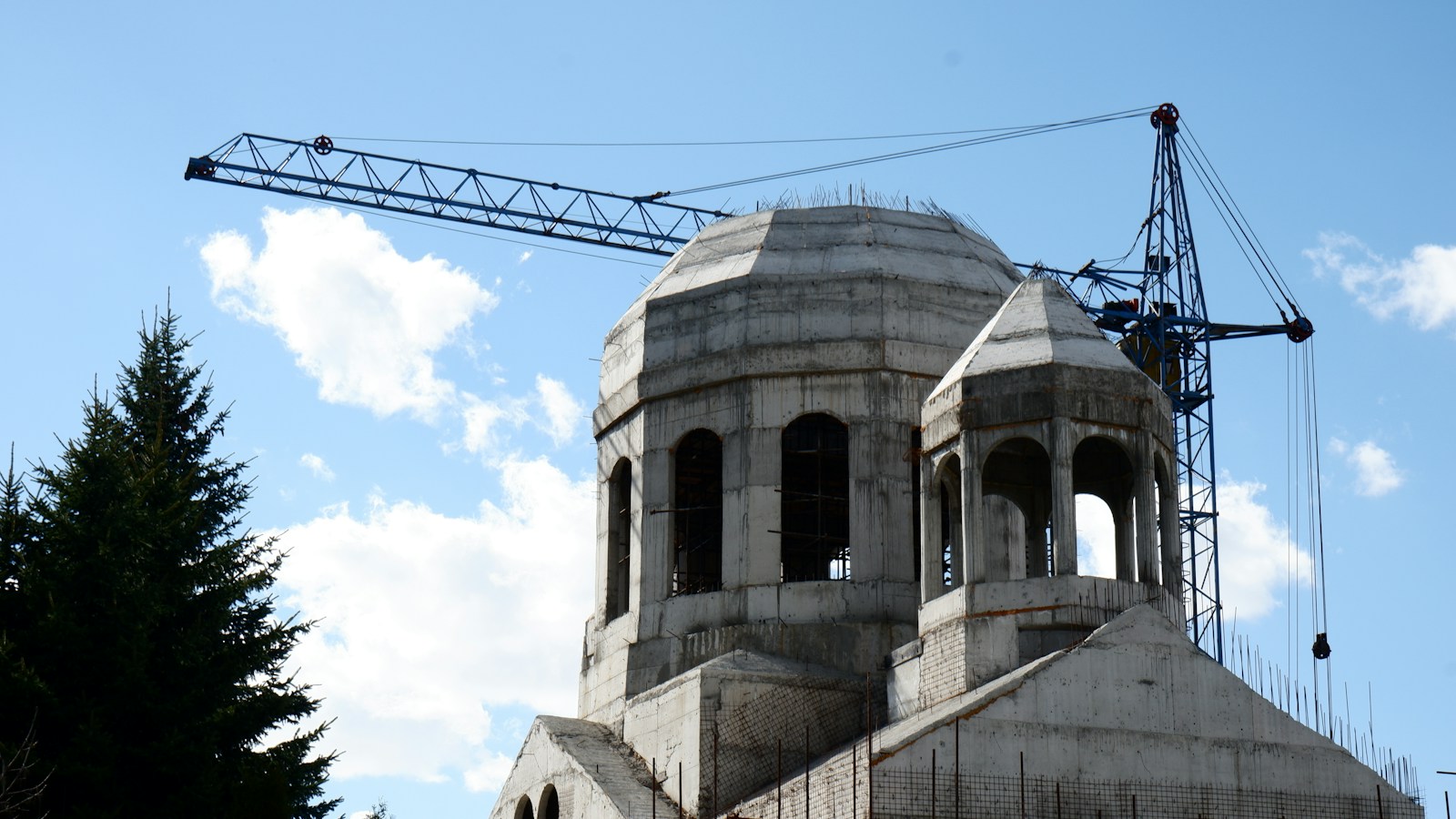
A building project often takes long enough to outlast the leader who started it. Here is what actually leaves with that person, what a written decision record preserves, and how a new pastor or executive director gets up to speed without restarting the design.
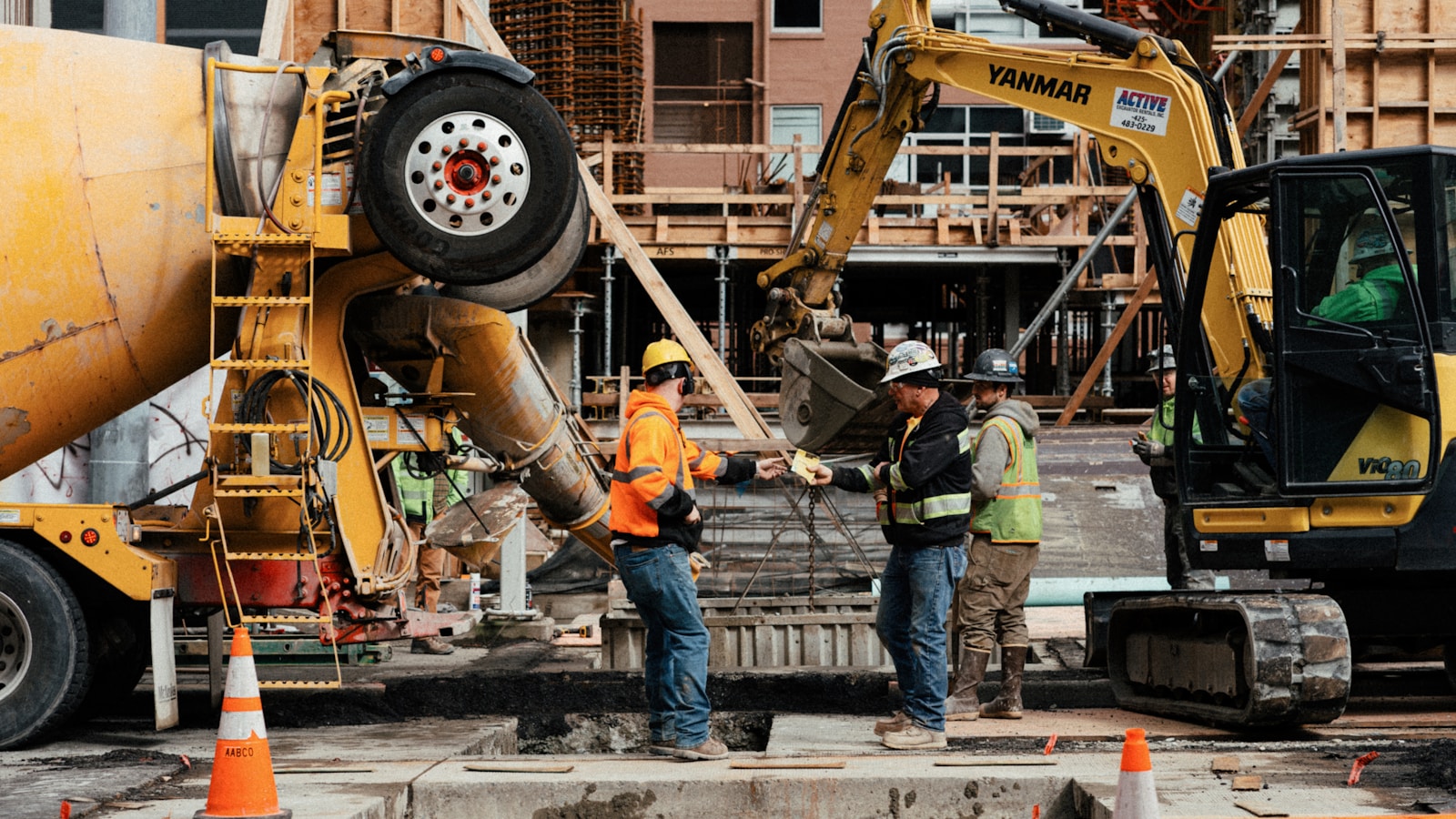
Hiring an architect and a contractor doesn’t end the owner’s involvement in a construction project. It creates new obligations: reviewing pay applications, authorizing change orders, responding to submittals, and showing up for substantial completion. Here is what the owner’s job actually looks like during the building phase.
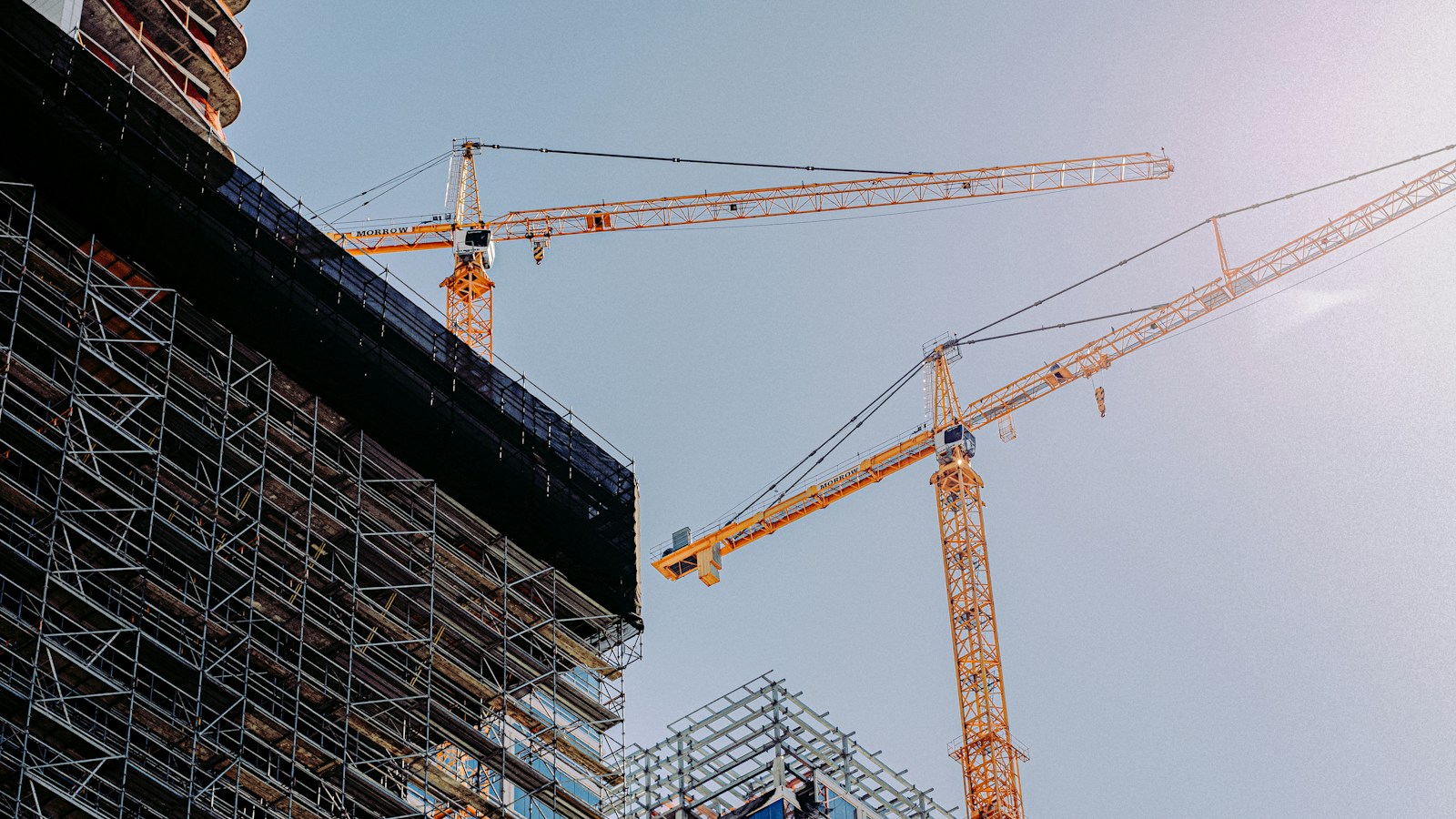
Nonresidential construction spending is falling while material costs keep climbing, and the average between the two describes almost nobody’s project. Here is how to read a K-shaped construction market, what it means for your trades and materials, and how to tell whether the thing holding your project back is the market or your own readiness.

A shelved set of construction documents is not one asset. Some of it holds its value for years while the rest quietly goes stale, and the difference decides whether restarting a stalled building project costs a fraction of a design fee or all of it again.

Three bids on a table look like three prices for the same building, and they almost never are. Comparing construction bids means comparing scope, exclusions, allowances, and duration rather than the number on the cover page. Here is how that reading actually gets done, and why it belongs to someone whose job is to protect the owner.
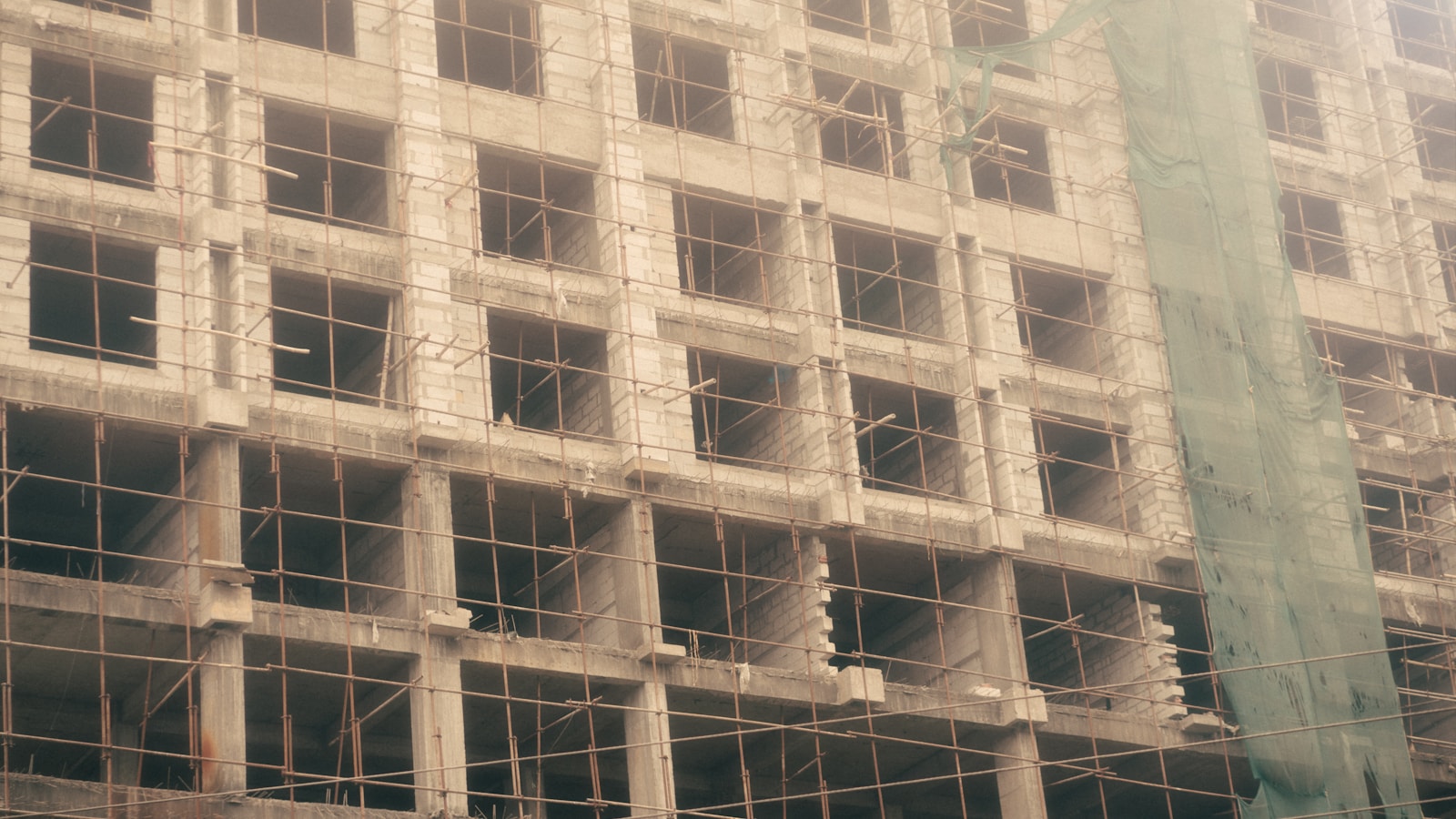
A change order lands mid-project and someone has to decide who pays for it. Here is how the three kinds of change orders differ, why your architect is contractually the one who rules on them, and how most of the work that prevents them happens months before construction starts.