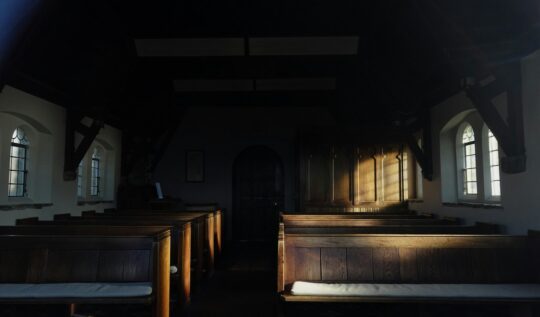
Campaign renderings are usually made before the engineers have placed a single speaker, diffuser, or rooftop unit, and the trees in them are decades old. Here is what an architectural rendering typically leaves out, and how to ask for the honest version before anyone writes a check.
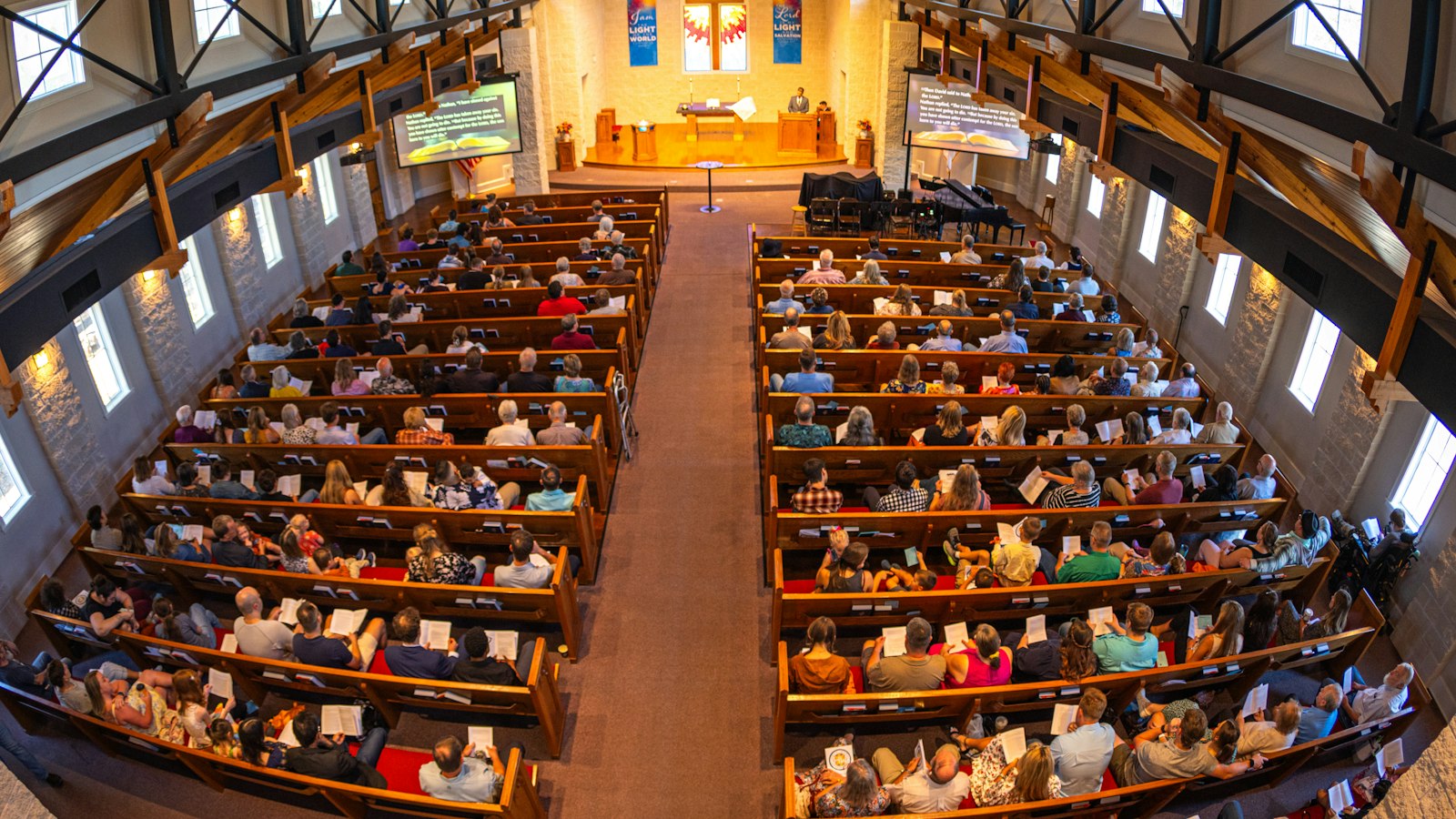
Ventilation codes were written for comfort, not infection. A new ASHRAE standard asks worship spaces for about nine times the clean air per person when risk is high, and the real design question for a new church is whether its building can get there when it needs to.
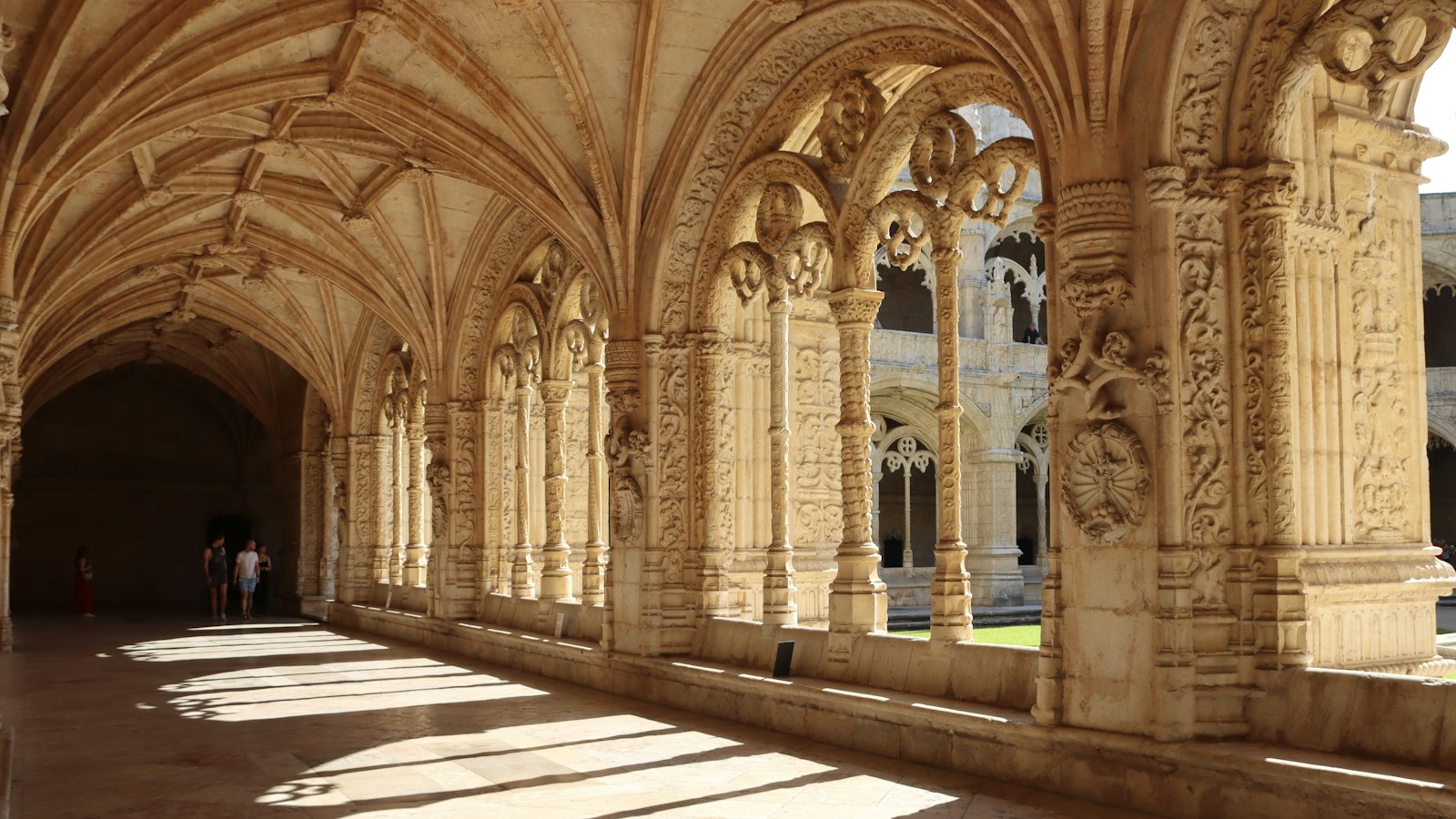
Most church buildings work fine during the worship hour. The real test comes in the fifteen minutes between services, when restrooms, children’s check-in, the foyer, and the parking lot all peak at once, and code minimums were never designed for that pulse.
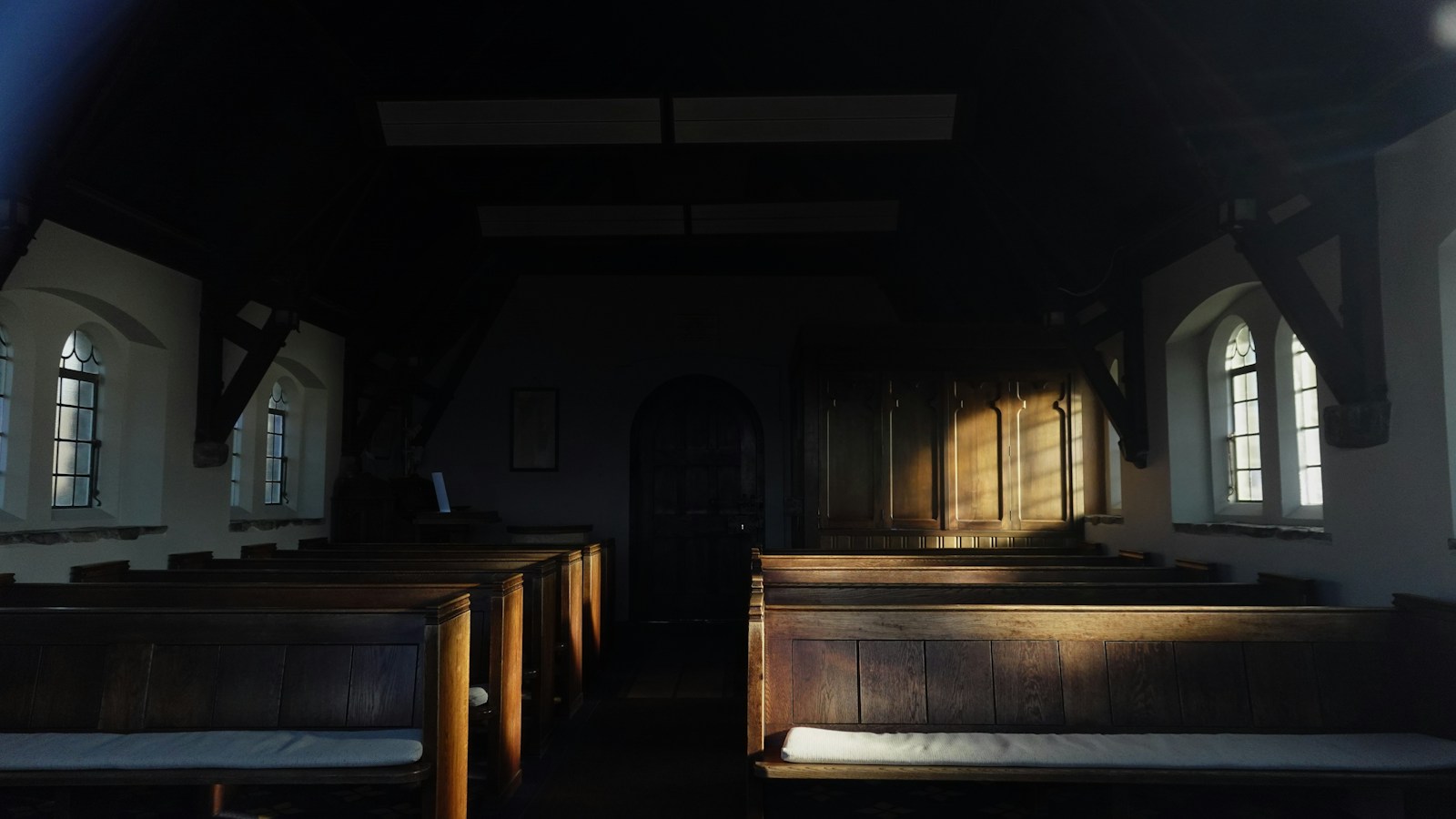
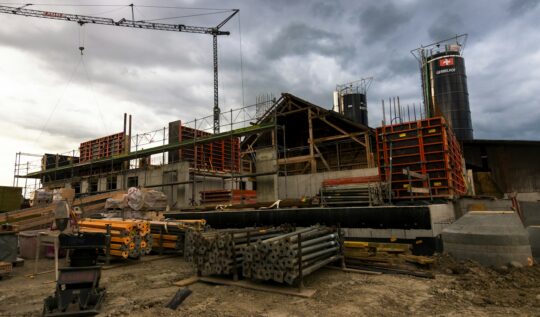
Building code requirements are not a test at the end of design. They decide how many exits a worship room needs, whether the building must be sprinklered, and how large it can be, and the decisions are far cheaper to make on purpose at the beginning.
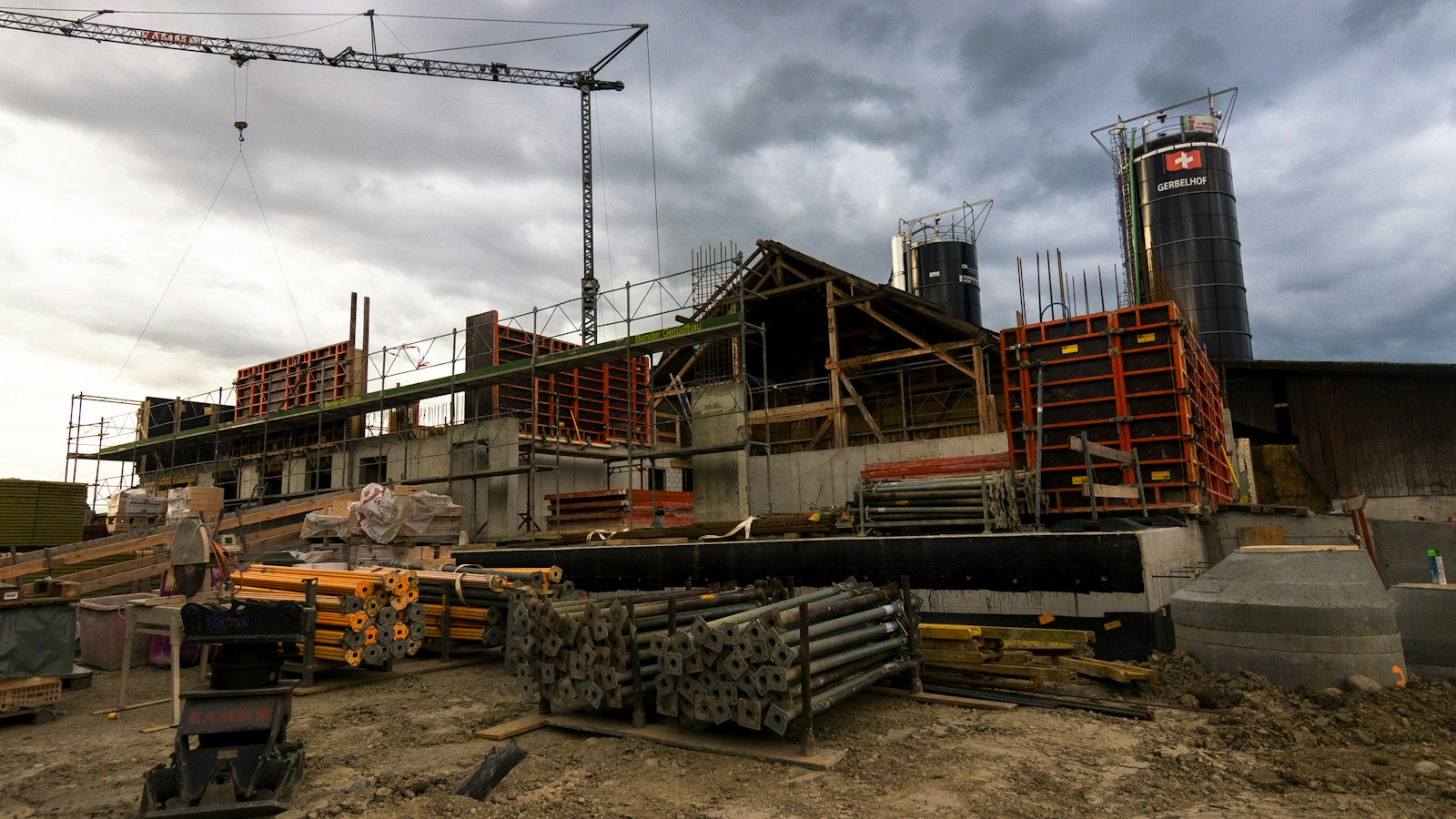
The construction number is the largest line in a project budget, which is exactly why it gets mistaken for the whole thing. Here is what a complete total project budget contains, from professional services and utility fees to furnishings, financing, escalation, and contingency.
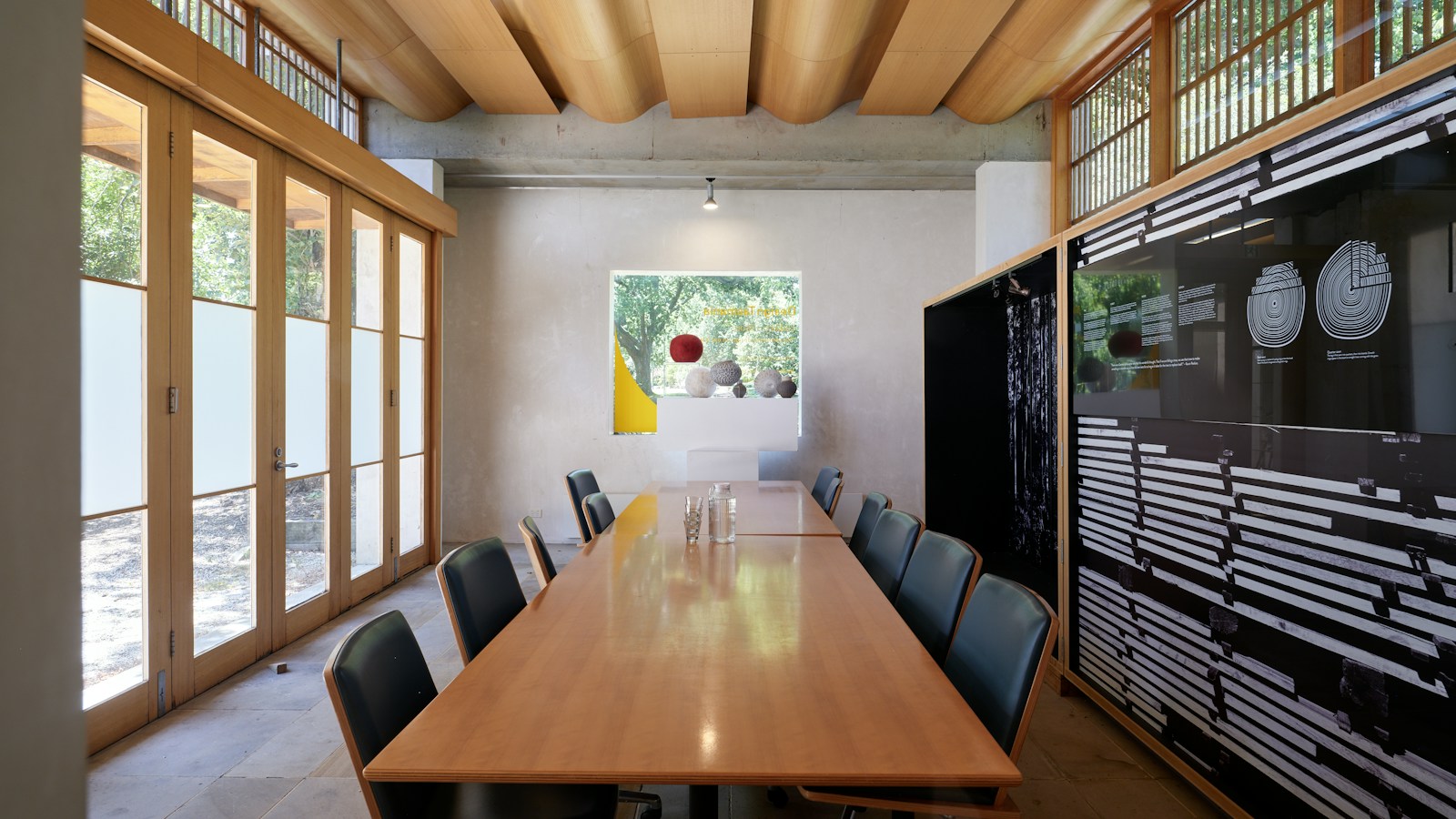
Most architect interviews spend the hour on a portfolio of buildings designed for someone else. Here is how owners can prepare, what to ask, how to check references, and how to keep fees from quietly choosing the team.
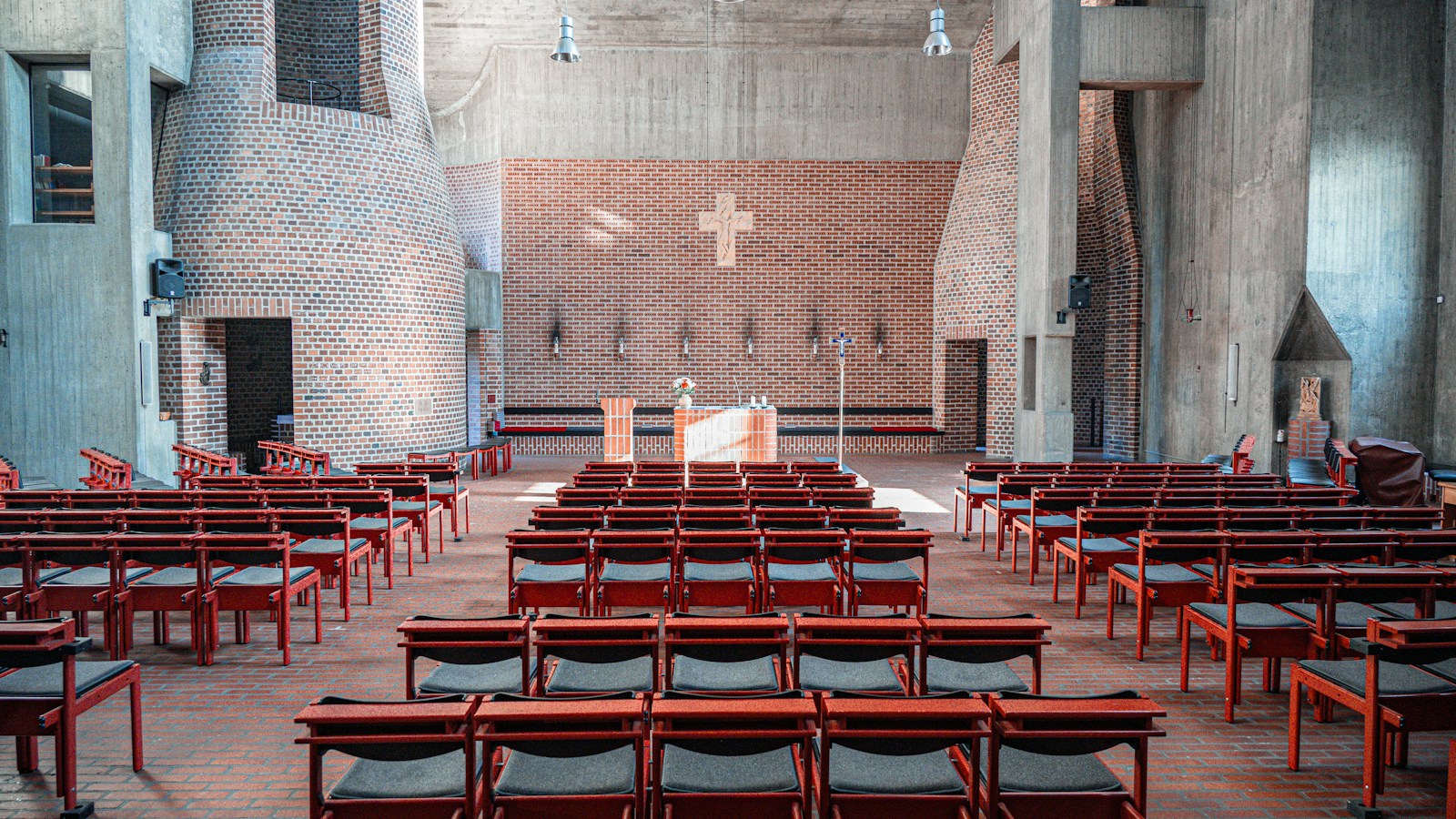
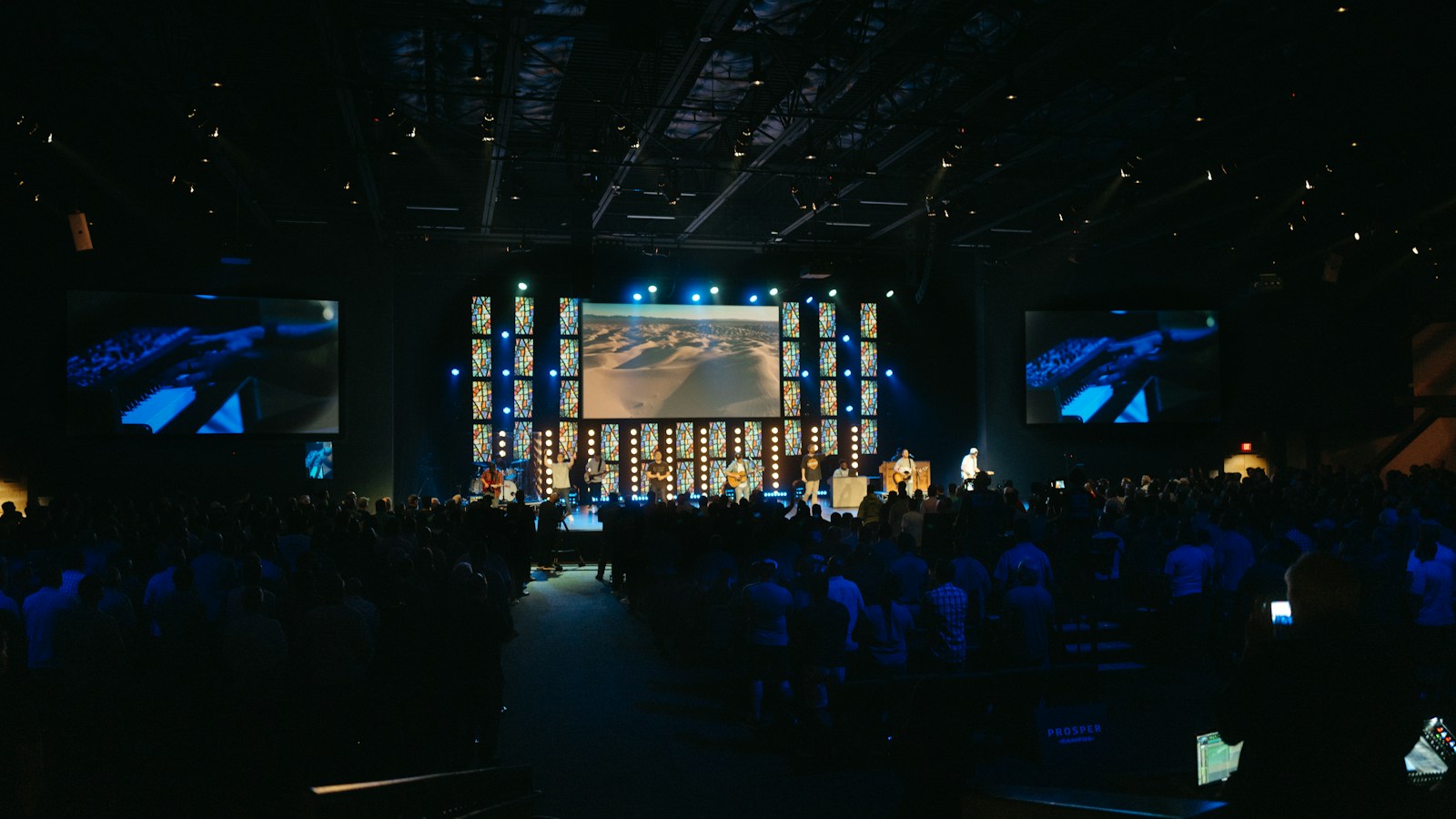
Religious construction spending is running 24.7 percent ahead of last year while the rest of the market contracts, and the median American congregation now gathers about 70 adults. Those two facts together explain why the worship rooms being drawn today are sized differently than the ones built twenty years ago, and why the programming question has shifted from seat count to hours of use.
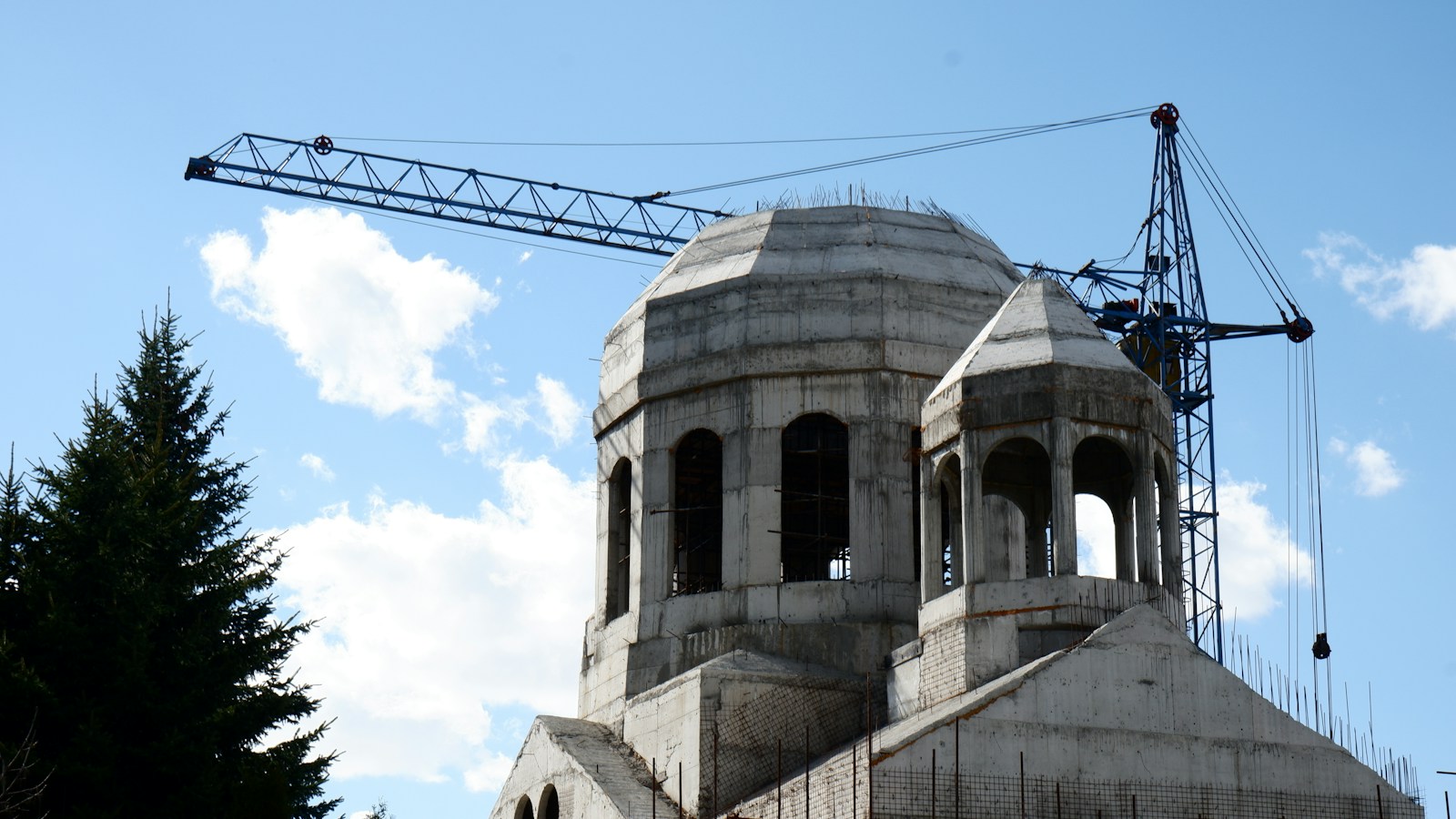
A building project often takes long enough to outlast the leader who started it. Here is what actually leaves with that person, what a written decision record preserves, and how a new pastor or executive director gets up to speed without restarting the design.
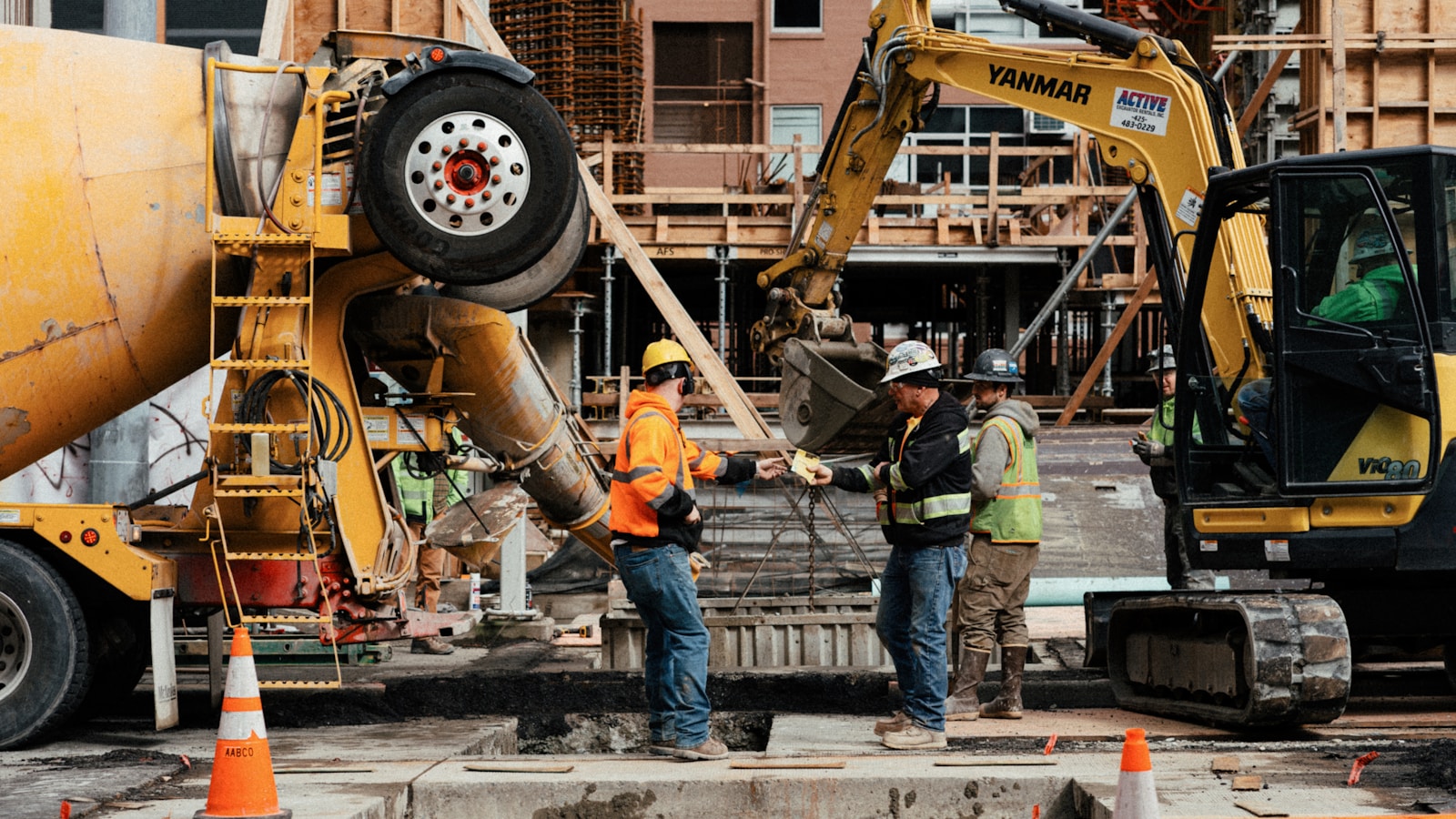
Hiring an architect and a contractor doesn’t end the owner’s involvement in a construction project. It creates new obligations: reviewing pay applications, authorizing change orders, responding to submittals, and showing up for substantial completion. Here is what the owner’s job actually looks like during the building phase.
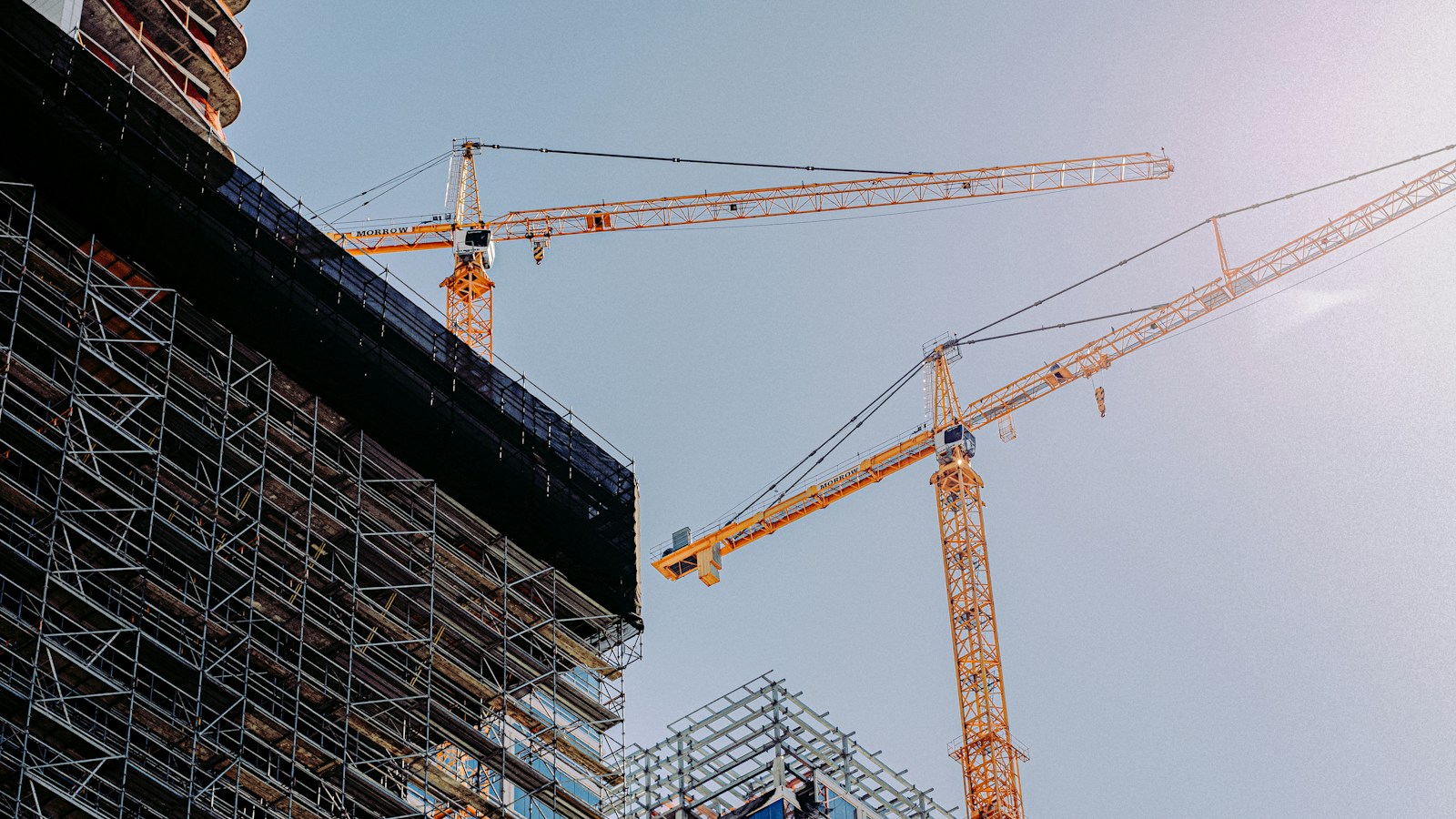
Nonresidential construction spending is falling while material costs keep climbing, and the average between the two describes almost nobody’s project. Here is how to read a K-shaped construction market, what it means for your trades and materials, and how to tell whether the thing holding your project back is the market or your own readiness.