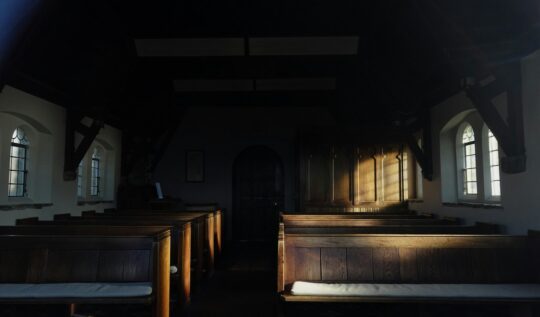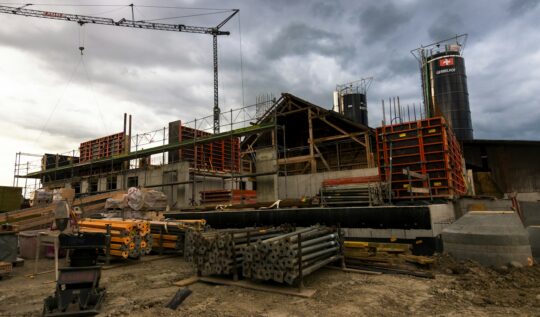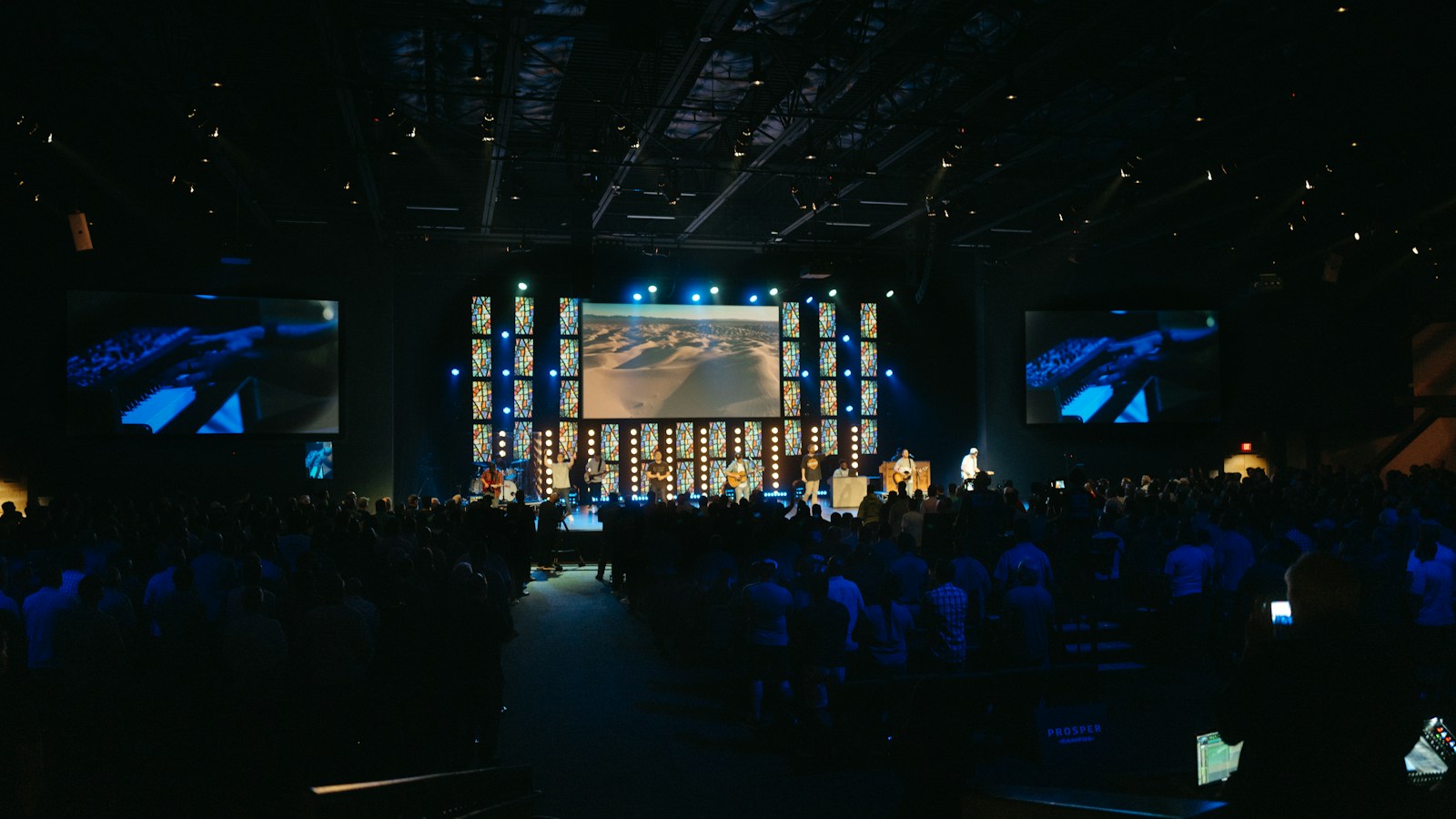
Campaign renderings are usually made before the engineers have placed a single speaker, diffuser, or rooftop unit, and the trees in them are decades old. Here is what an architectural rendering typically leaves out, and how to ask for the honest version before anyone writes a check.
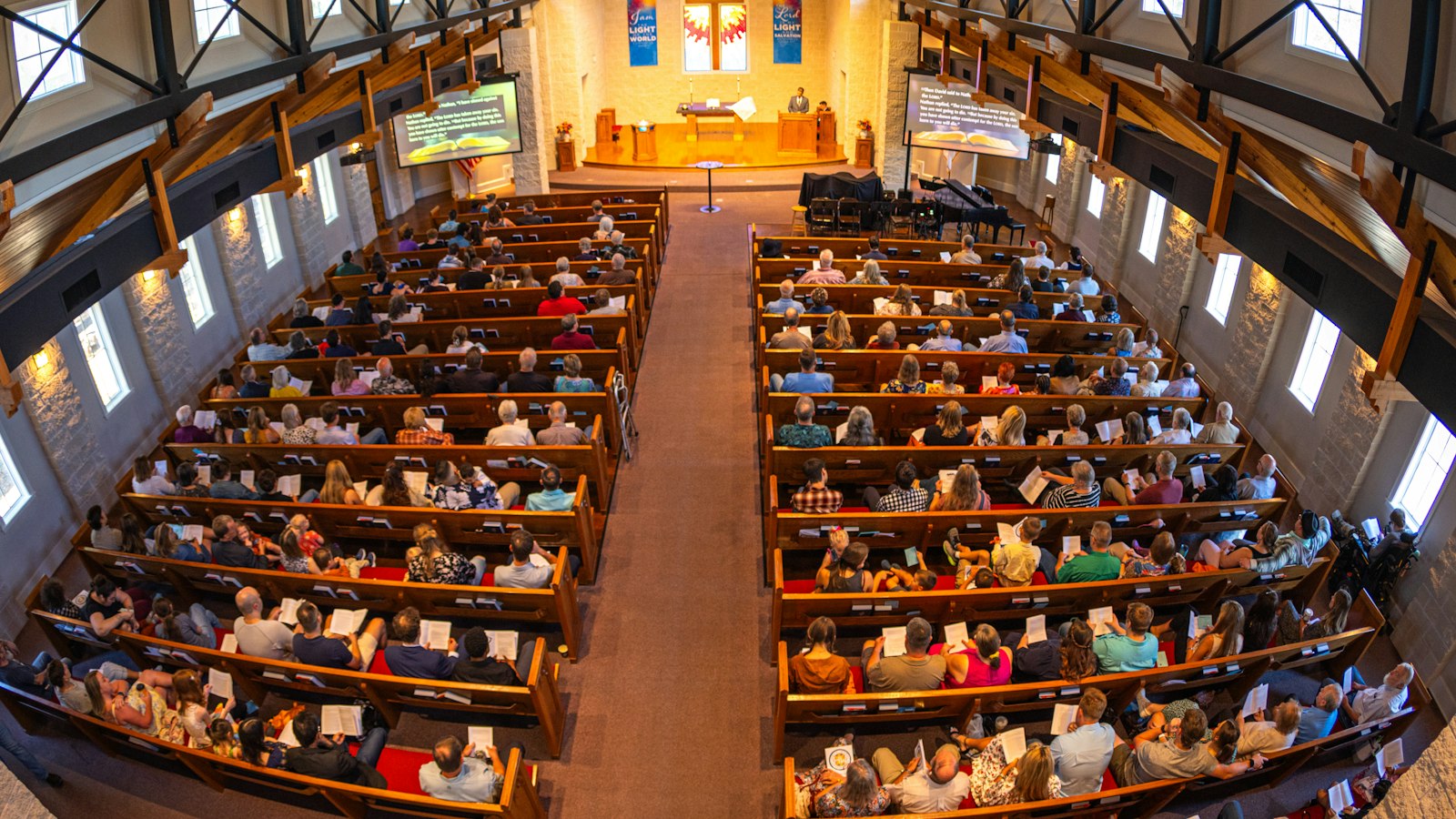
Ventilation codes were written for comfort, not infection. A new ASHRAE standard asks worship spaces for about nine times the clean air per person when risk is high, and the real design question for a new church is whether its building can get there when it needs to.
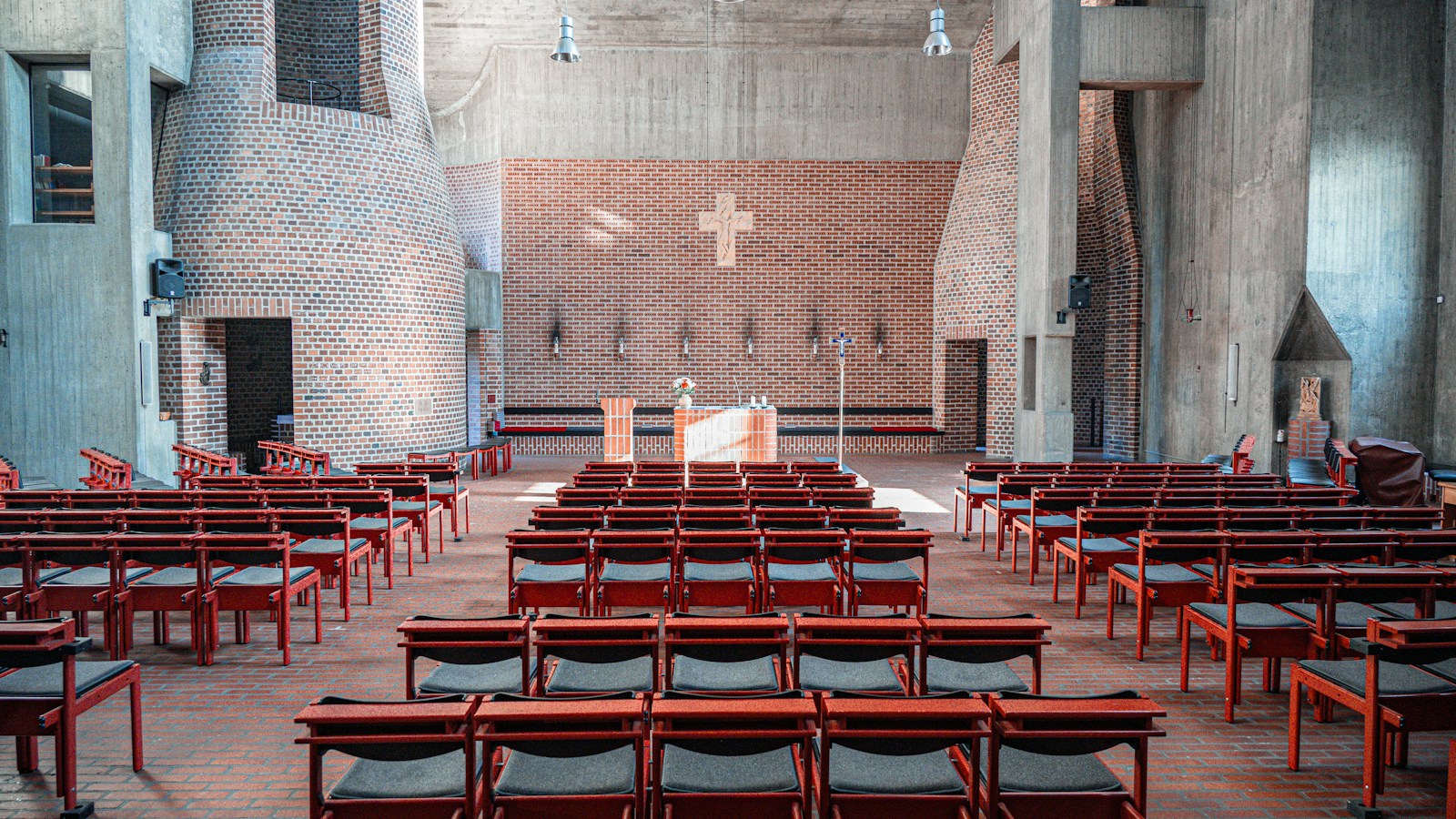
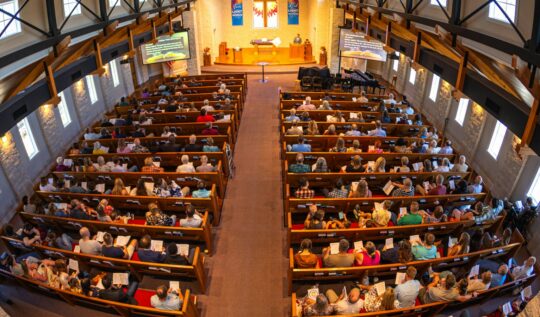
Religious construction spending is running 24.7 percent ahead of last year while the rest of the market contracts, and the median American congregation now gathers about 70 adults. Those two facts together explain why the worship rooms being drawn today are sized differently than the ones built twenty years ago, and why the programming question has shifted from seat count to hours of use.
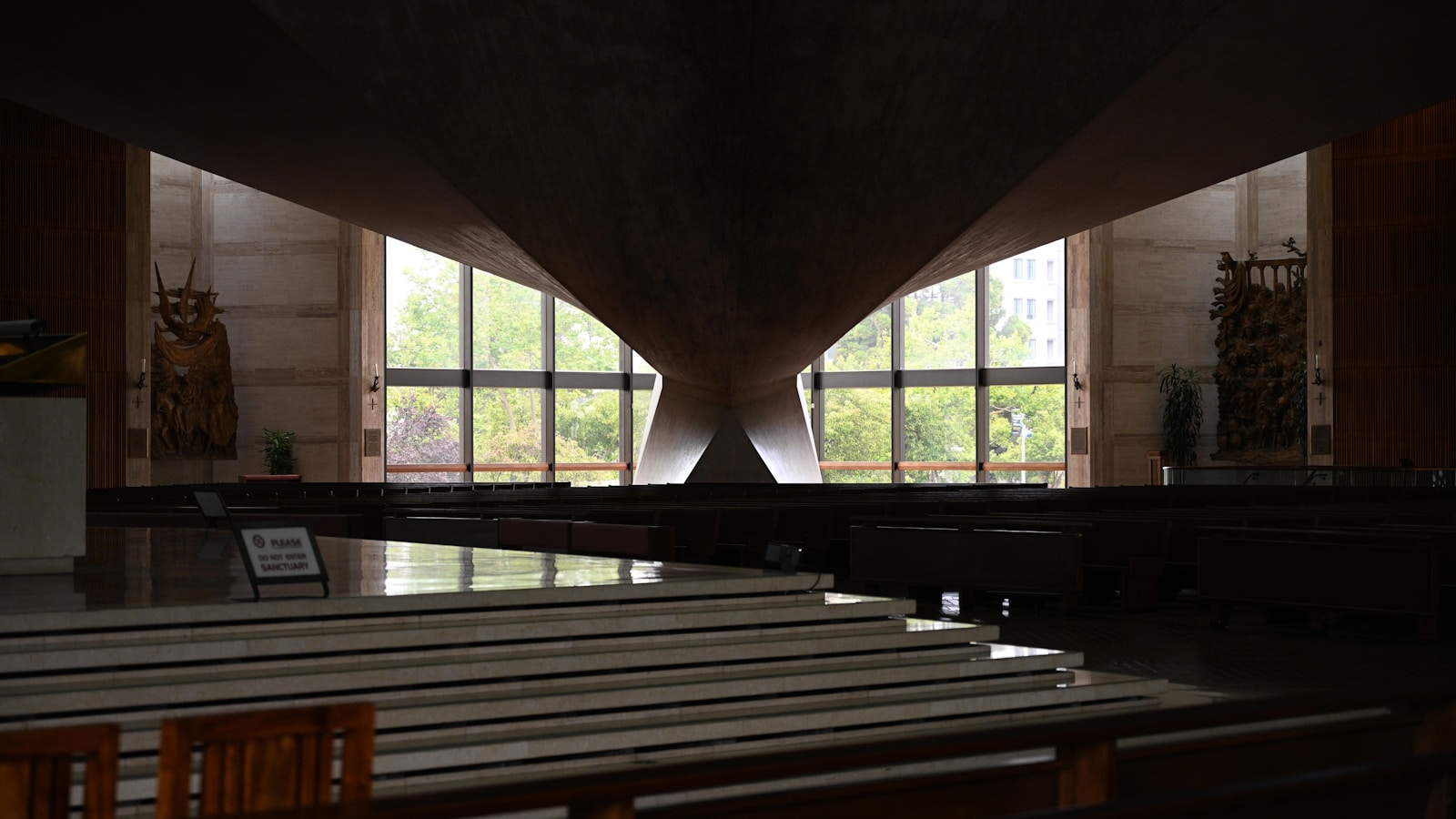
A rendering is a photograph of one flattering moment. Building performance simulation calculates every hour of the year, predicting glare, daylight, and whether a congregation will actually be able to hear from the back row. Here is what these studies measure, and why they only pay for themselves if they happen in schematic design.

Explore creative ideas to optimize multi-purpose church rooms. Learn how flexible layouts, innovative storage, and technology can transform church spaces for various functions.