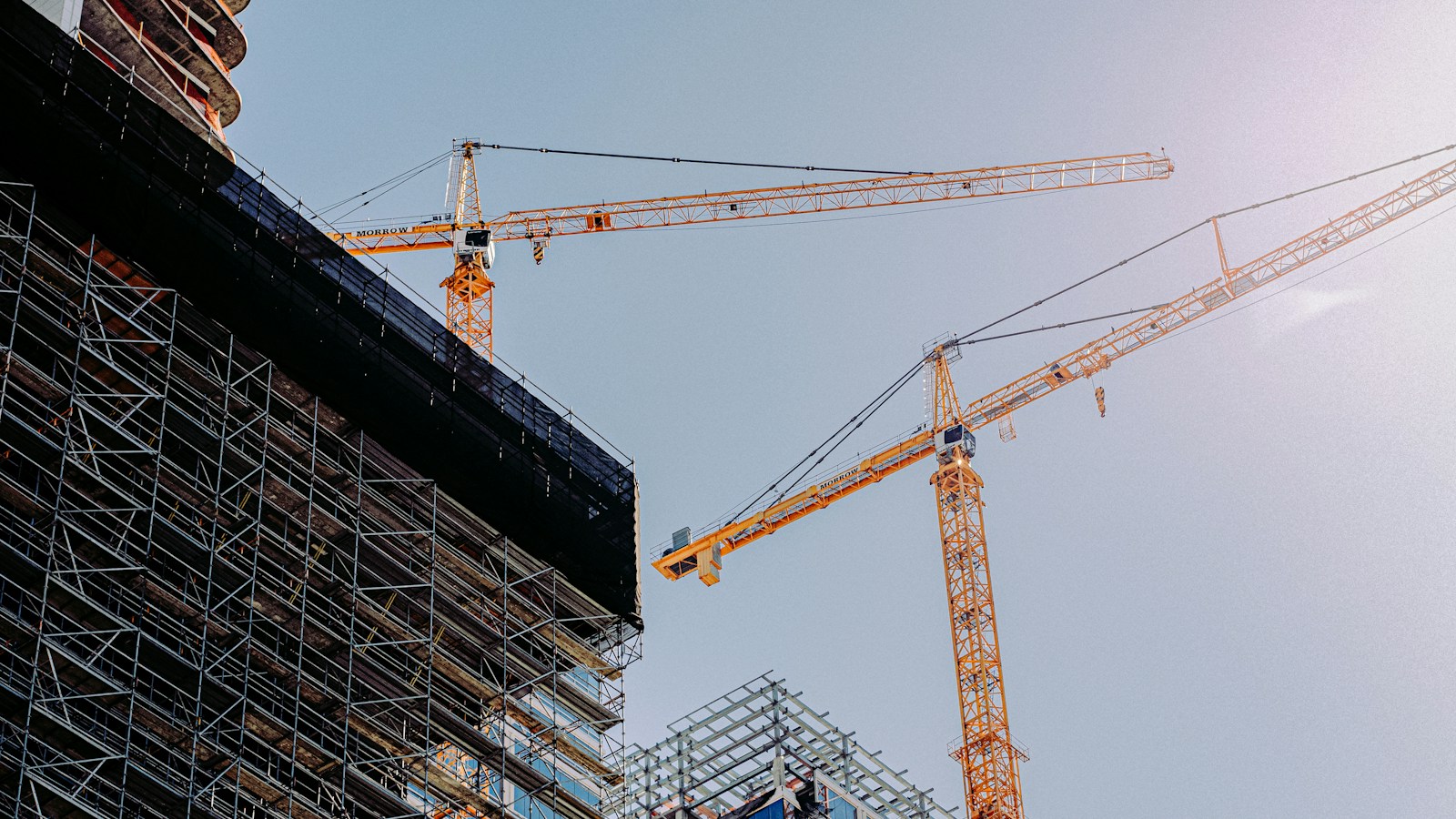
Nonresidential construction spending is falling while material costs keep climbing, and the average between the two describes almost nobody’s project. Here is how to read a K-shaped construction market, what it means for your trades and materials, and how to tell whether the thing holding your project back is the market or your own readiness.

A shelved set of construction documents is not one asset. Some of it holds its value for years while the rest quietly goes stale, and the difference decides whether restarting a stalled building project costs a fraction of a design fee or all of it again.
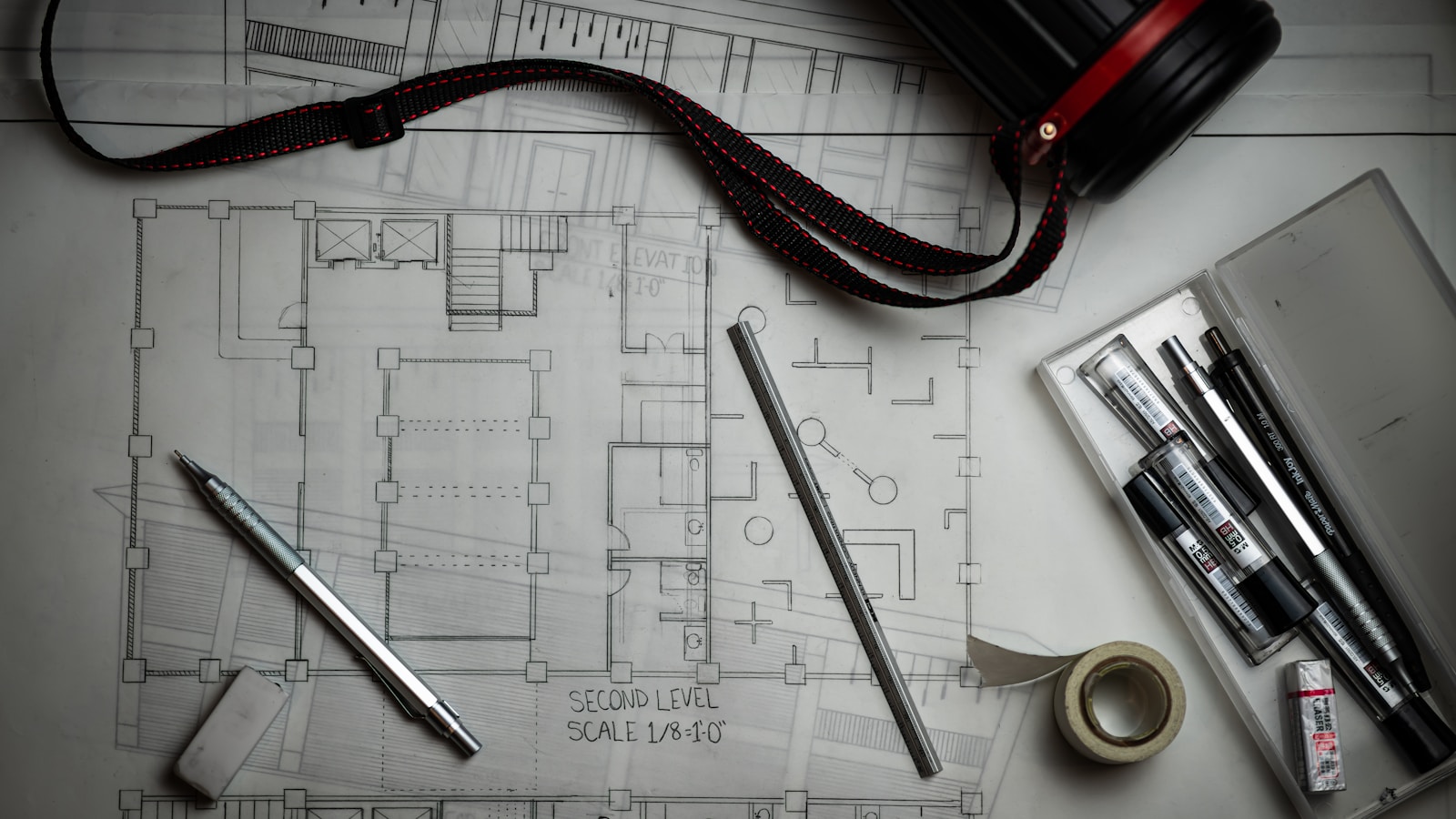
Three bids on a table look like three prices for the same building, and they almost never are. Comparing construction bids means comparing scope, exclusions, allowances, and duration rather than the number on the cover page. Here is how that reading actually gets done, and why it belongs to someone whose job is to protect the owner.
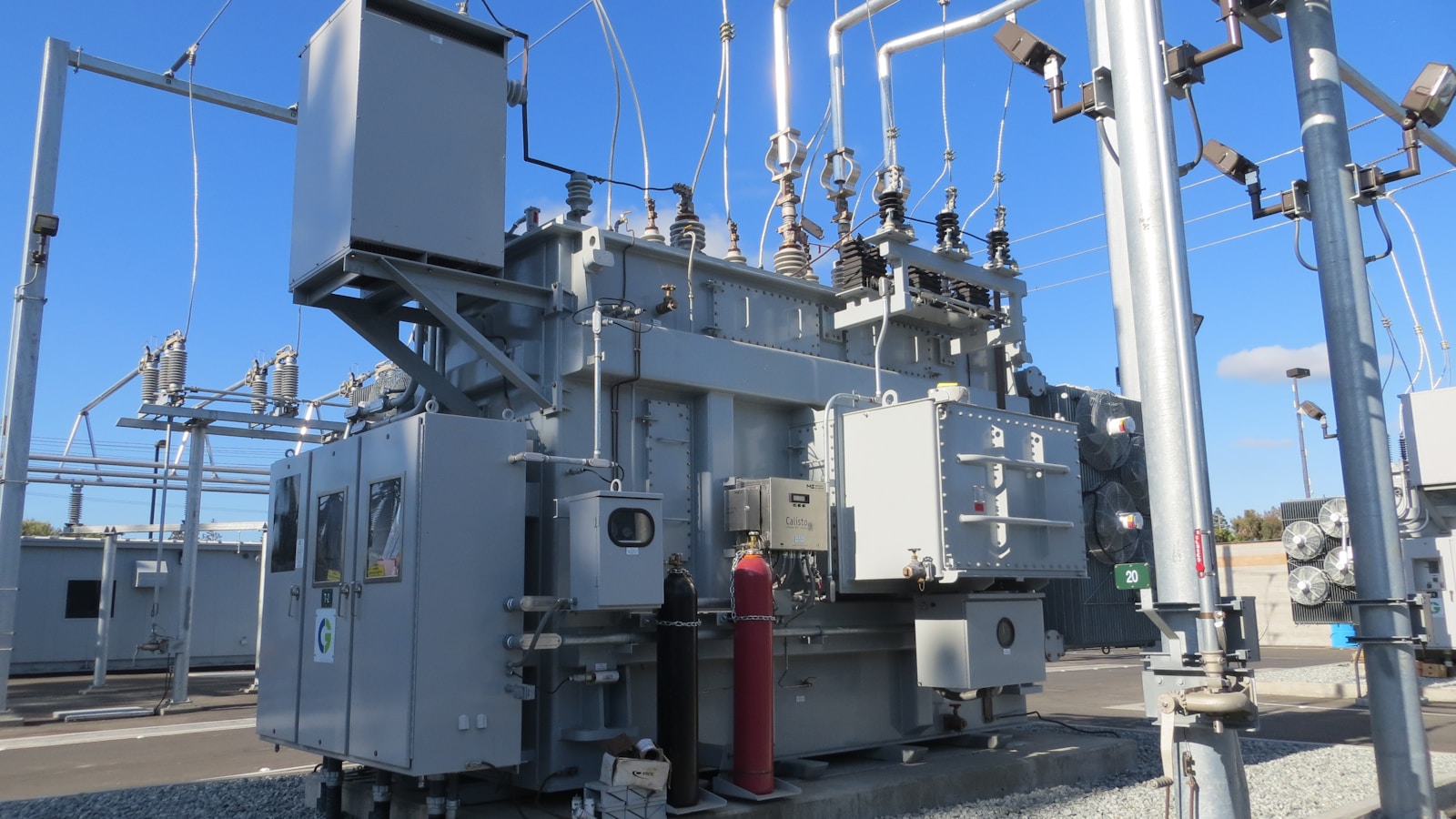
Electrical switchgear now averages close to a year from order to delivery, and large transformers take more than two years. That turns power equipment into one of the longest items on a construction schedule. Here is what it means for churches, hotels, and commercial owners planning a project.
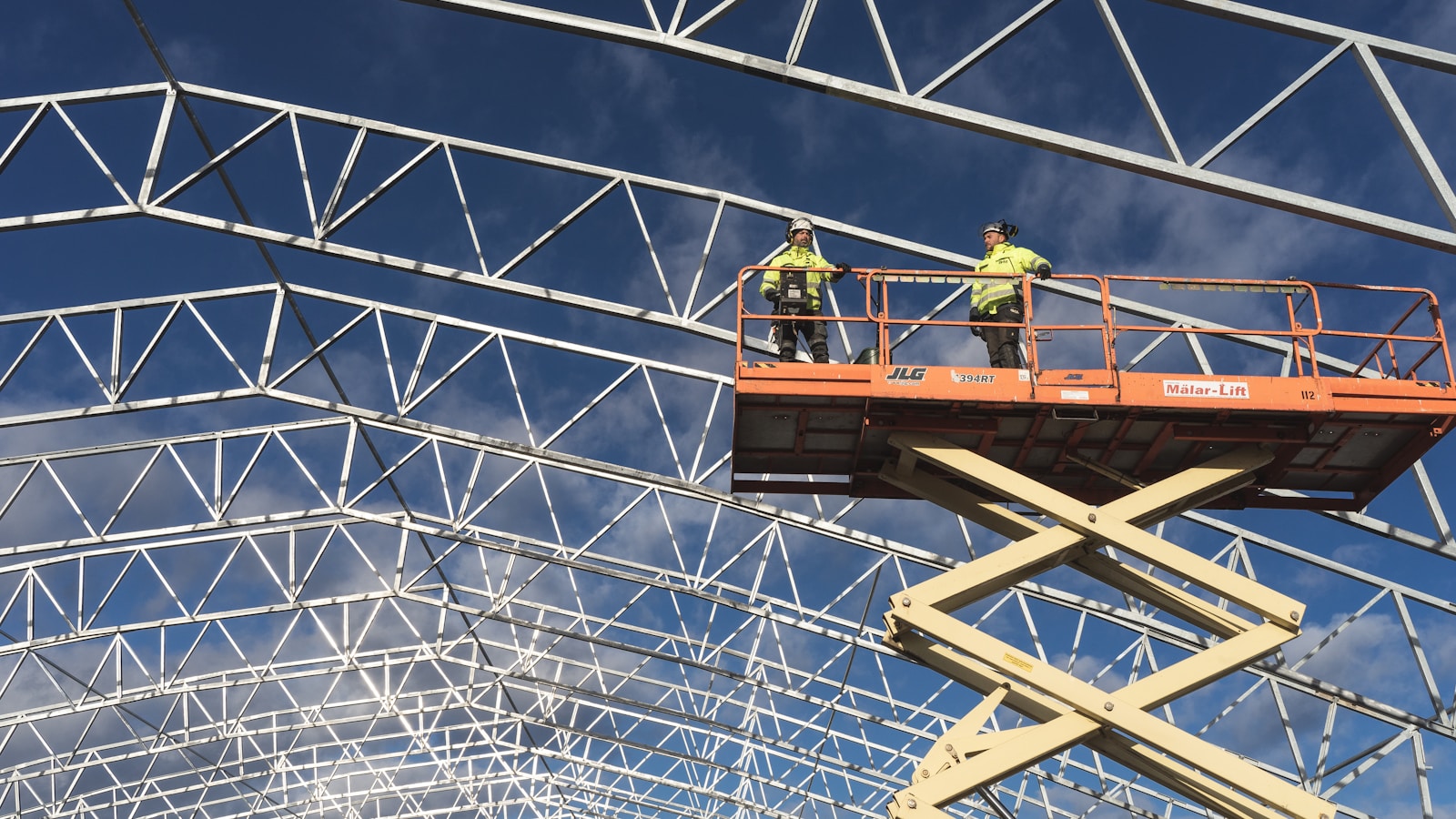
More than four out of five construction firms say they cannot fill the craft positions their projects depend on. Labor scarcity has quietly become a design variable, and the decisions that absorb it best are made on paper, long before a contractor is asked to price the work.

Most owners arrive at an architect with the answer already chosen. Before a committee commits several million dollars to new construction, somebody has to be willing to test whether more square footage is the fix. Here is what an honest assessment looks at, and why a firm that will tell you not to build is one you can believe when it tells you to build.

Heat pumps now outsell gas furnaces in the U.S. by the largest margin ever recorded. New codes, rising gas prices, and advances in cold-climate technology have made all-electric construction a mainstream reality, not just a coastal trend. Here is what building electrification actually means for the architect’s drawing set, and why it has to be part of the pre-design conversation.
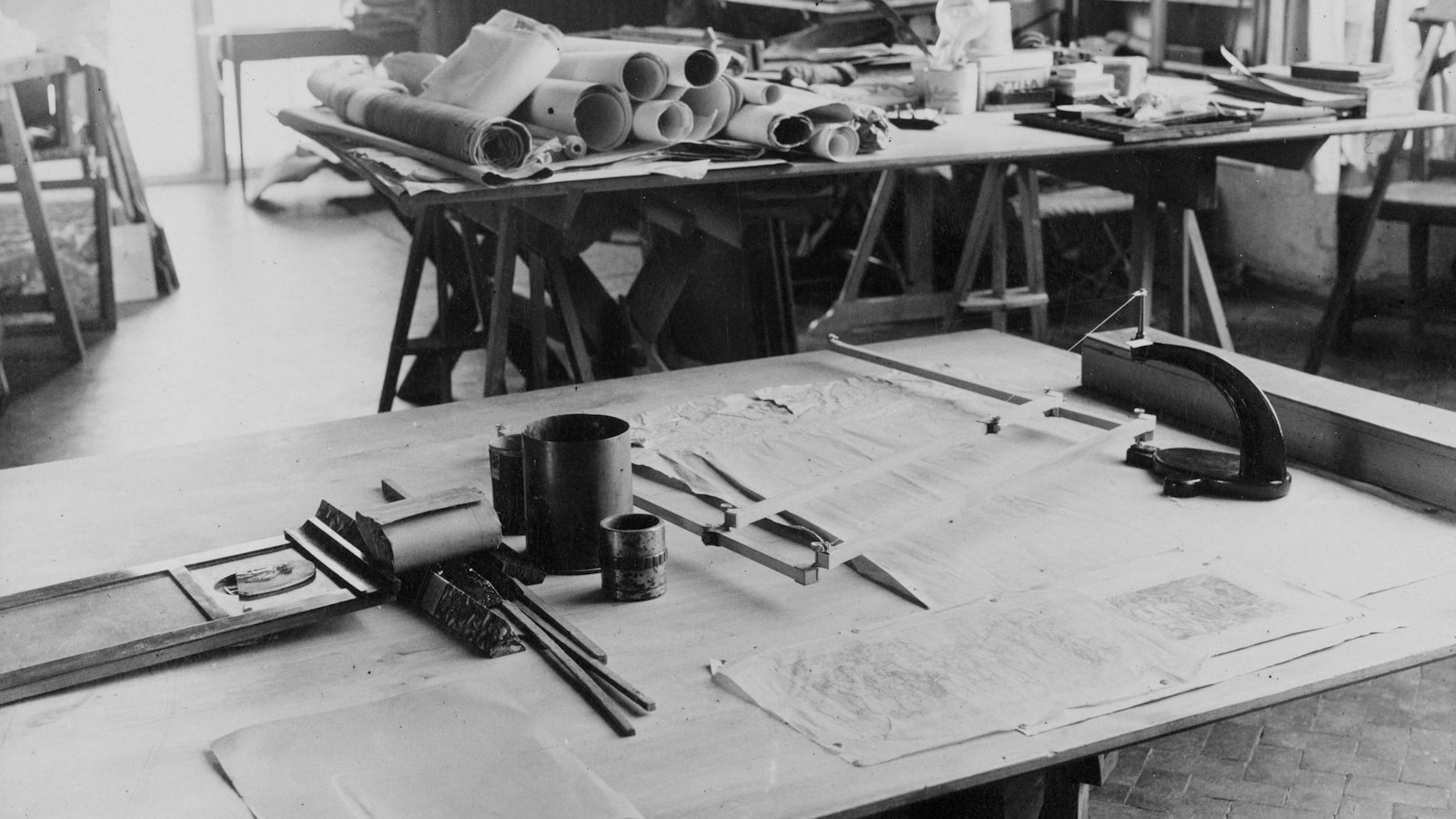
Most owners assume that getting the drawings done is the finish line. It is not. The period between completed construction documents and an issued building permit is one of the most consequential and least understood phases of any project, and how well you navigate it determines when your contractor can actually start.
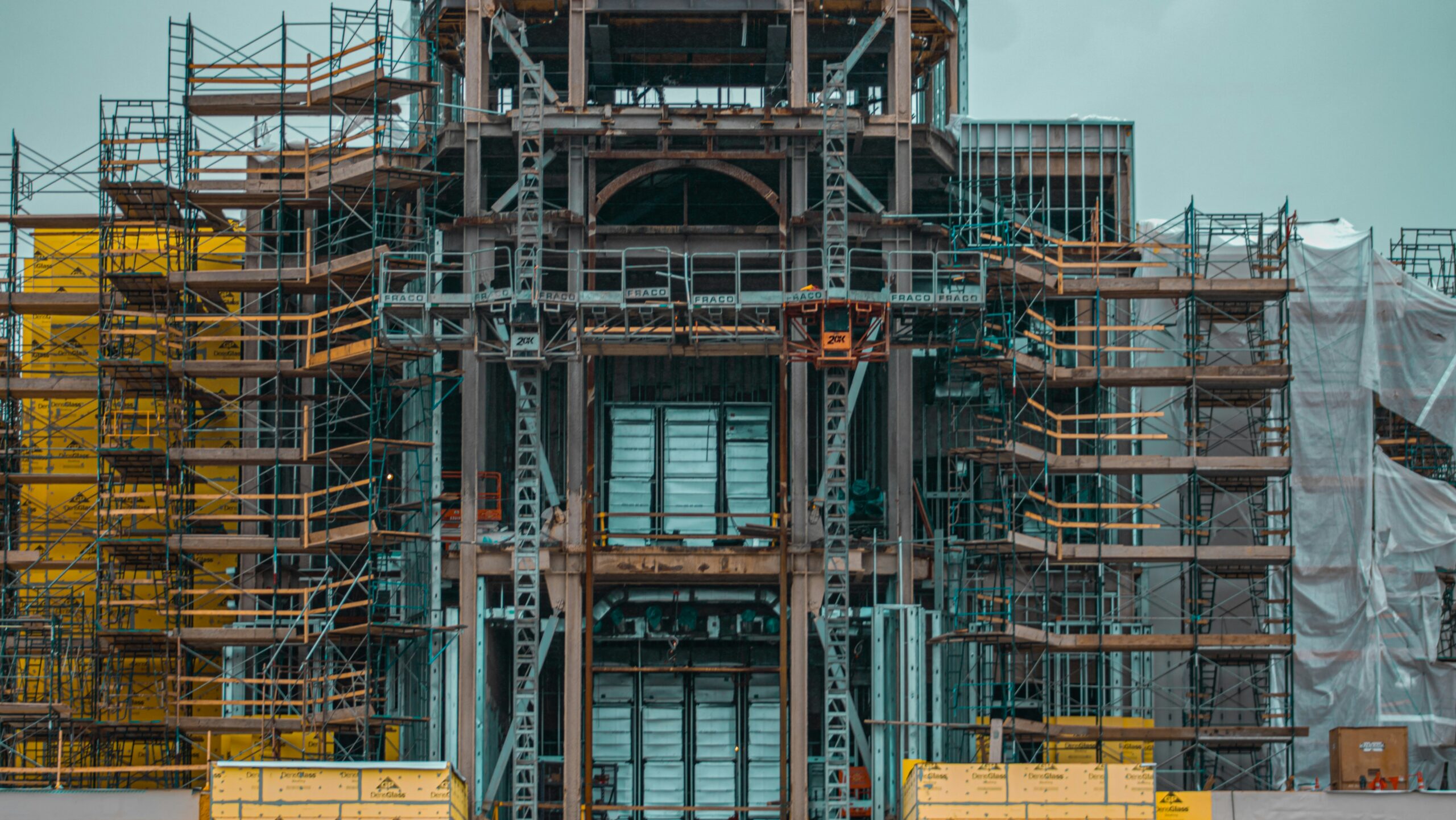
Passing inspection does not mean a building is insurable. Insurers are now the ones setting the real design standard for churches, hotels, and commercial properties in weather-exposed regions, and the gap between code minimums and insurability is only growing.

Most owners assume hiring an architect is the first real decision on a building project. How the project gets delivered, through design-bid-build, CM at risk, or design-build, is decided earlier than that and shapes risk, cost, and schedule for everything that follows. Here is how each method works and how to choose the right one.